Providing liquidity on Arbitrum can be a lucrative strategy, but the landscape is riddled with avoidable mistakes that can erode returns or even lead to unrecoverable losses. As DeFi evolves and the Arbitrum network matures, new and existing liquidity providers must adapt their risk management practices to safeguard capital. With Arbitrum (ARB) currently trading at $0.4910, the stakes are high for those seeking to maximize yield without falling prey to common errors.
Top 5 Mistakes Liquidity Providers Make on Arbitrum
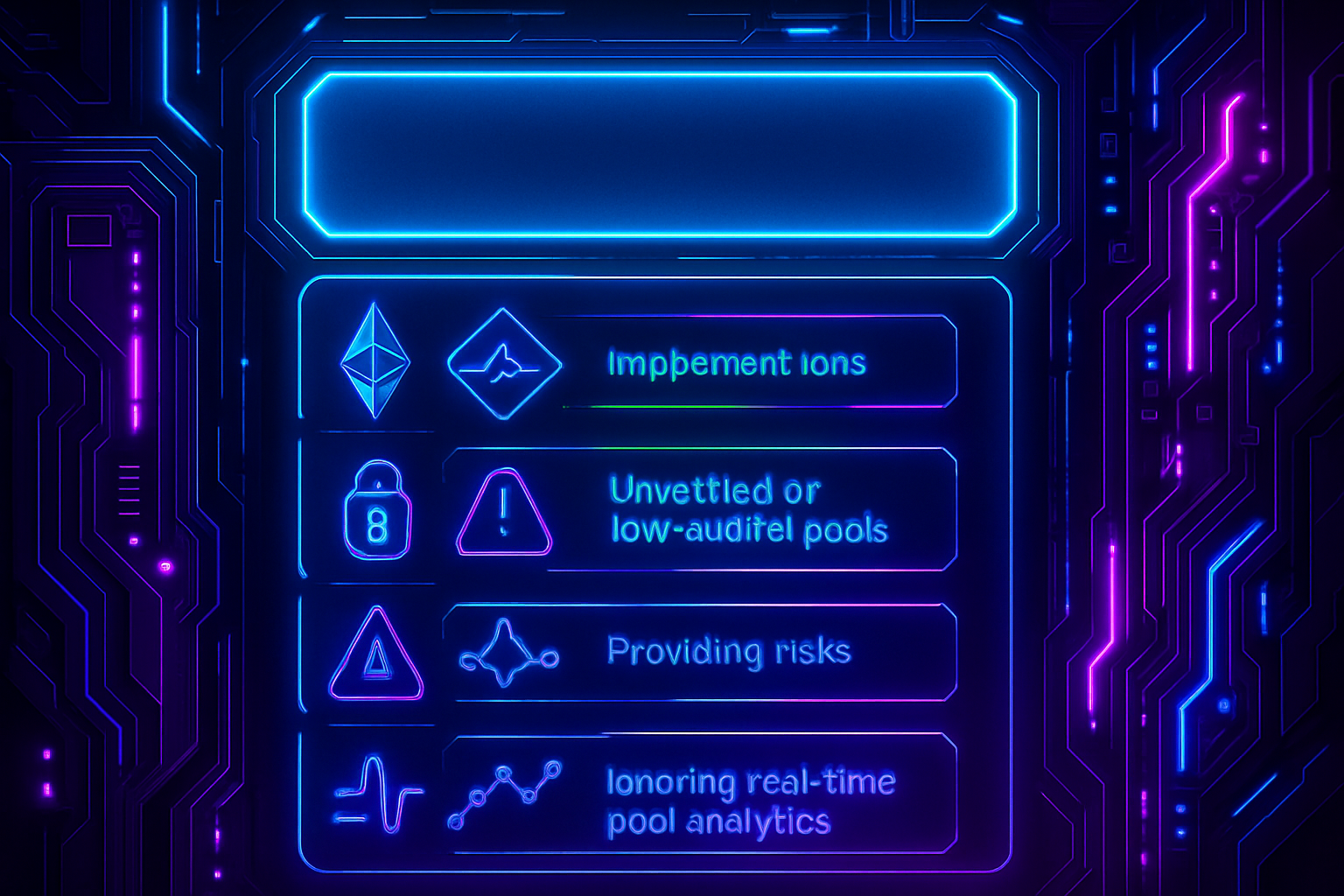
Based on recent DeFi trends, protocol analytics, and user reports, these are the most frequent and impactful pitfalls for Arbitrum liquidity providers:
Top 5 Mistakes Arbitrum Liquidity Providers Make
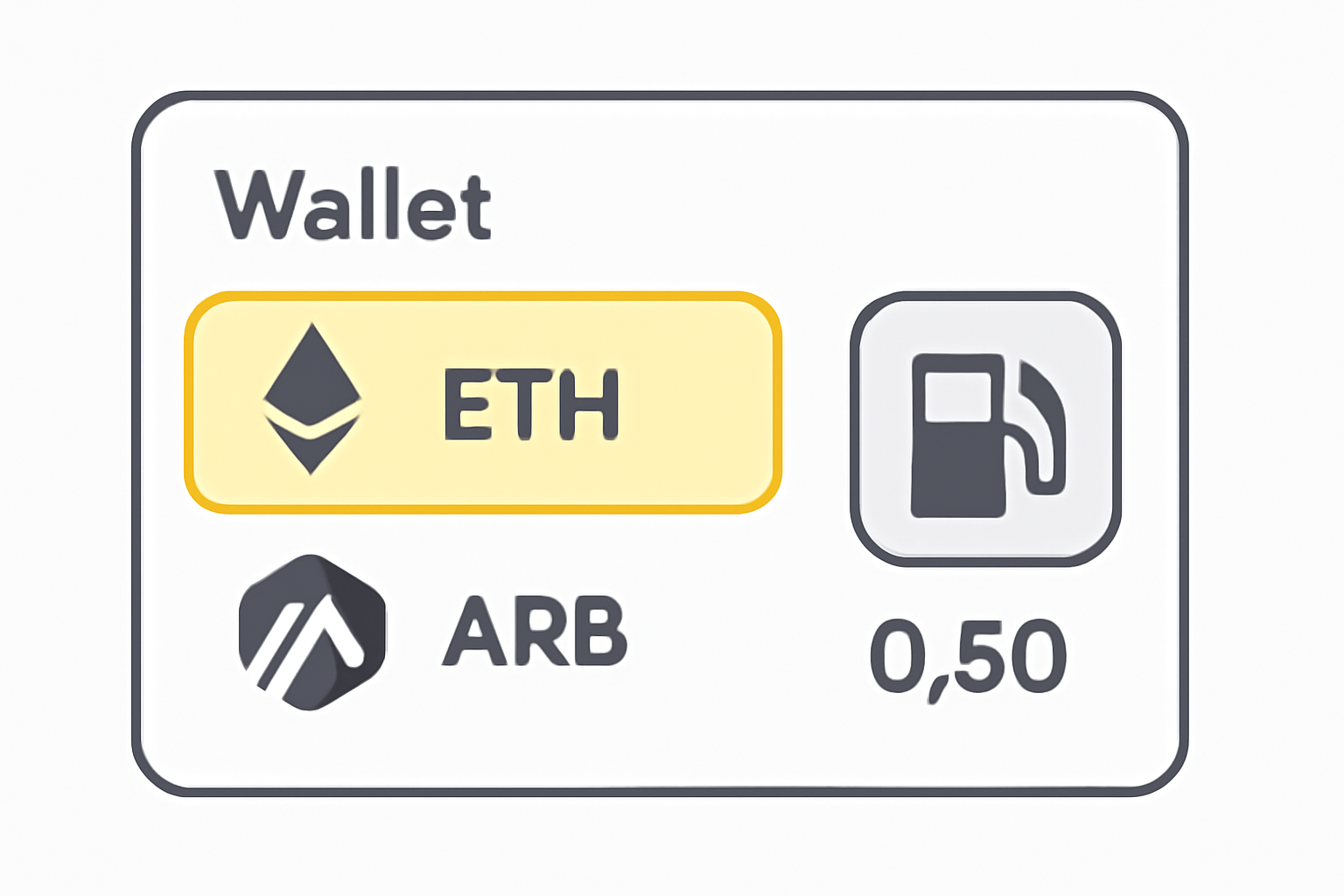
- Neglecting to Maintain Sufficient ETH for Gas Fees on ArbitrumFailing to keep enough ETH in your wallet for transaction fees can result in failed swaps, deposits, or withdrawals. On Arbitrum, ETH is required to pay for all on-chain activity, and insufficient balances can leave funds stranded or transactions stuck.
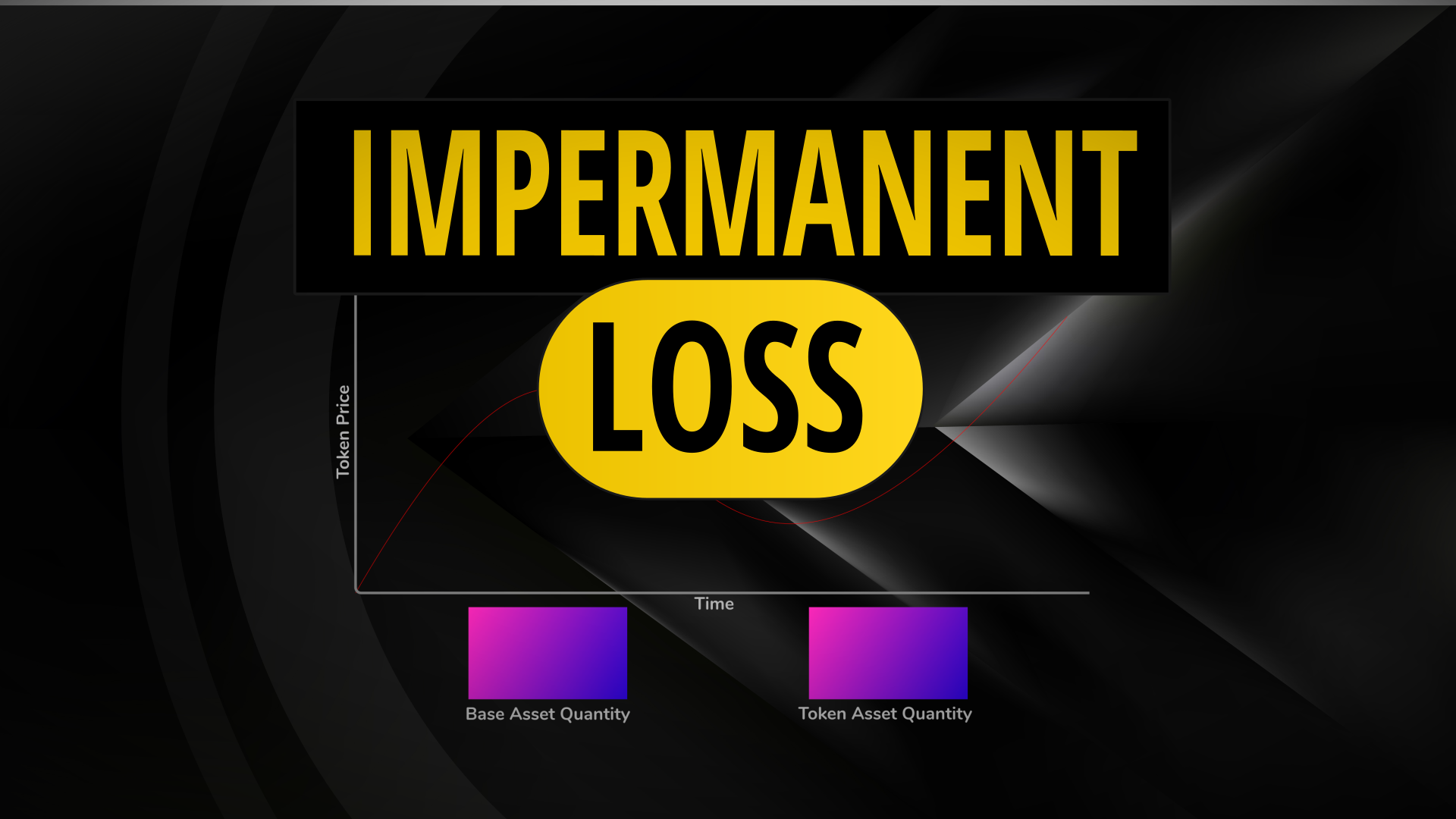
- Underestimating Impermanent Loss in Volatile Liquidity PoolsMany providers overlook the impact of price divergence between pooled assets, leading to impermanent loss. This risk is especially pronounced in volatile markets and can erode returns compared to simply holding the tokens.
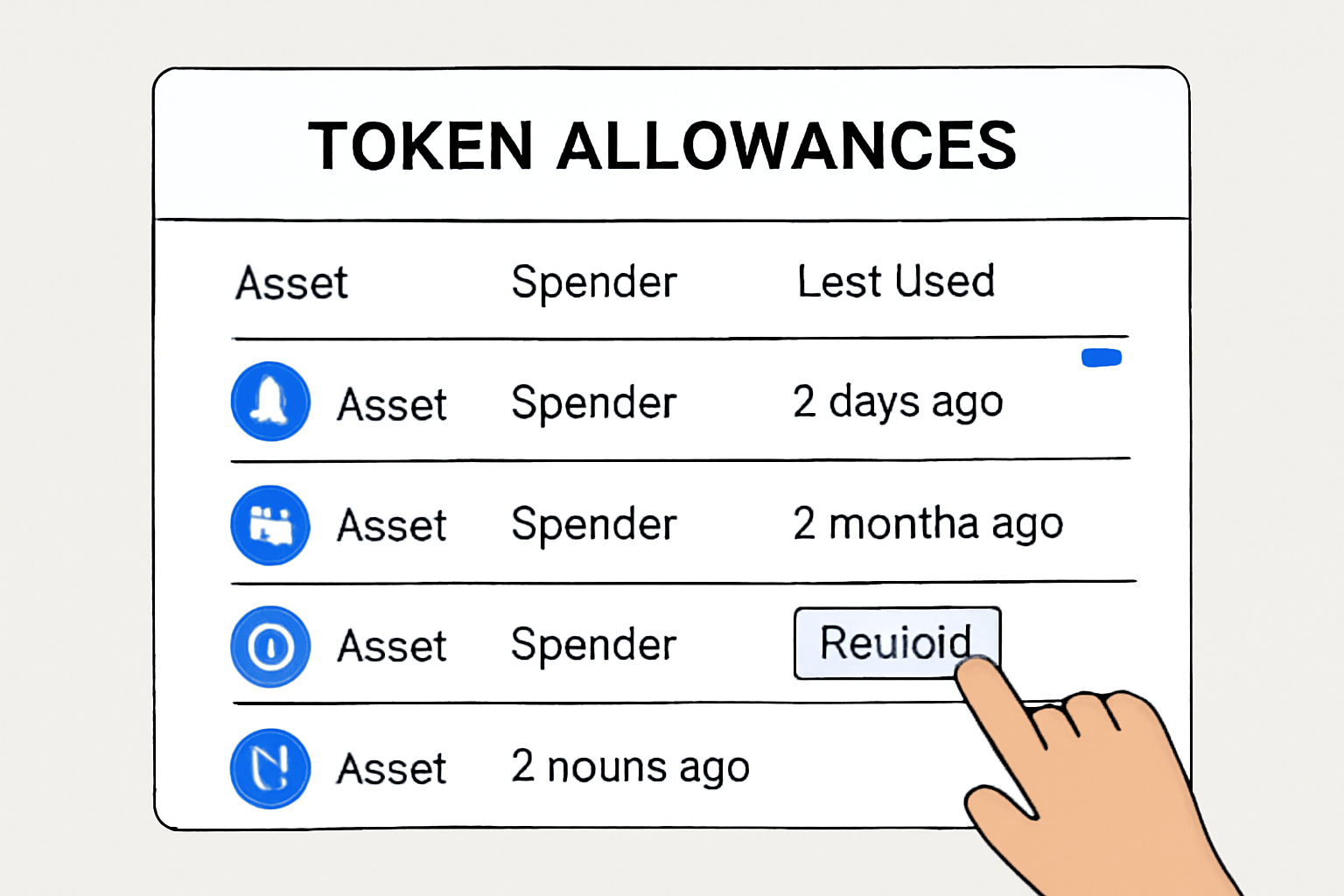
- Approving Unlimited Token Allowances to DeFi ProtocolsGranting unlimited token approvals exposes your funds to potential smart contract exploits. Always set custom, minimal allowances to reduce the risk of unauthorized token transfers if a protocol is compromised.

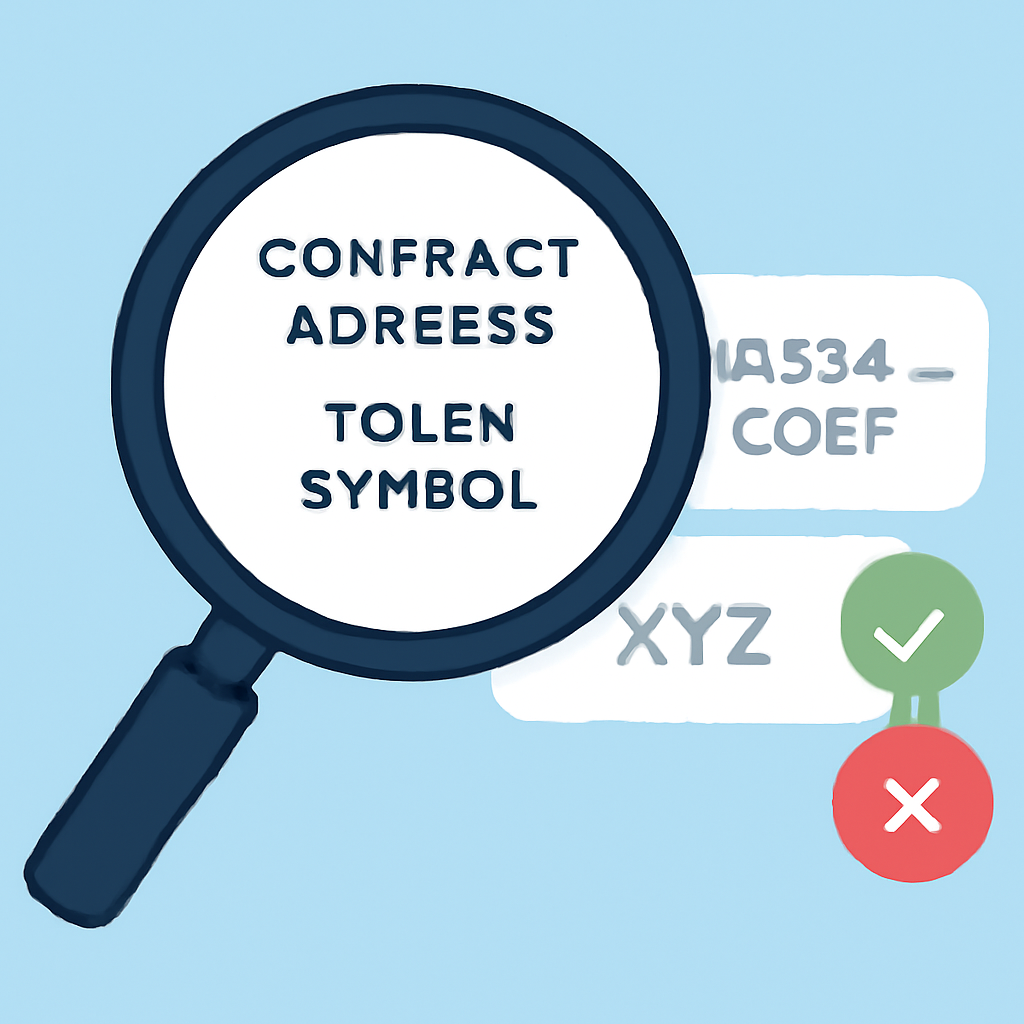
- Providing Liquidity to Unvetted or Low-Audited Pools with Exploit RisksJoining pools without thorough audits or a proven security track record increases vulnerability to hacks and rug pulls. Stick to established protocols and review audit reports before depositing assets.
- Ignoring Real-Time Pool Analytics and Failing to Monitor Pool Composition ChangesNot tracking pool metrics, such as asset ratios and volume, can result in missed warning signs of shifting risks or declining yields. Use analytics dashboards to stay informed and react promptly to changes.
1. Neglecting to Maintain Sufficient ETH for Gas Fees
One of the most overlooked yet critical errors is failing to keep enough ETH in your wallet for transaction fees on Arbitrum. Every action - from depositing assets into a pool to withdrawing your position - requires ETH for gas. Running out of ETH mid-operation can leave funds stranded or force you to unwind positions at an inopportune time, especially during periods of network congestion or high volatility.
"I missed a major opportunity because I didn't have enough ETH left for gas. By the time I topped up, pool conditions had changed. "
2. Underestimating Impermanent Loss in Volatile Pools
Impermanent loss remains the silent killer of DeFi yields. On Arbitrum, where innovative pools attract both mainstream and speculative assets, price divergence between paired tokens can be rapid and severe. Many users underestimate this risk when providing liquidity to pools with high-volatility tokens or newly launched assets. If asset prices move significantly after your deposit, you may end up with fewer tokens (and less value) than if you simply held them outside the pool.
This risk is not theoretical: recent market events have demonstrated that even blue-chip pools can experience sharp shifts in composition, particularly during periods of elevated volatility (read more about impermanent loss here).
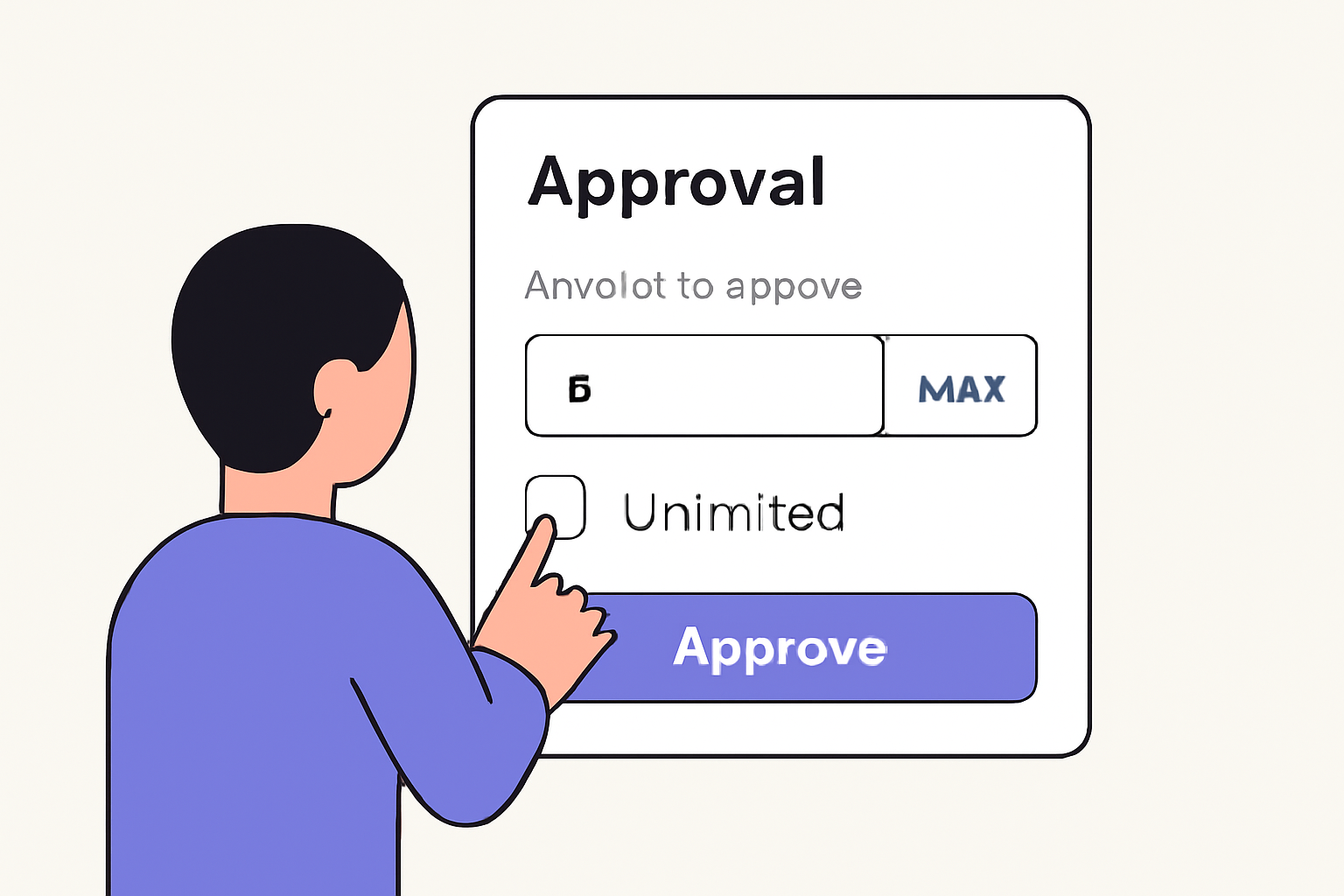
3. Approving Unlimited Token Allowances to DeFi Protocols
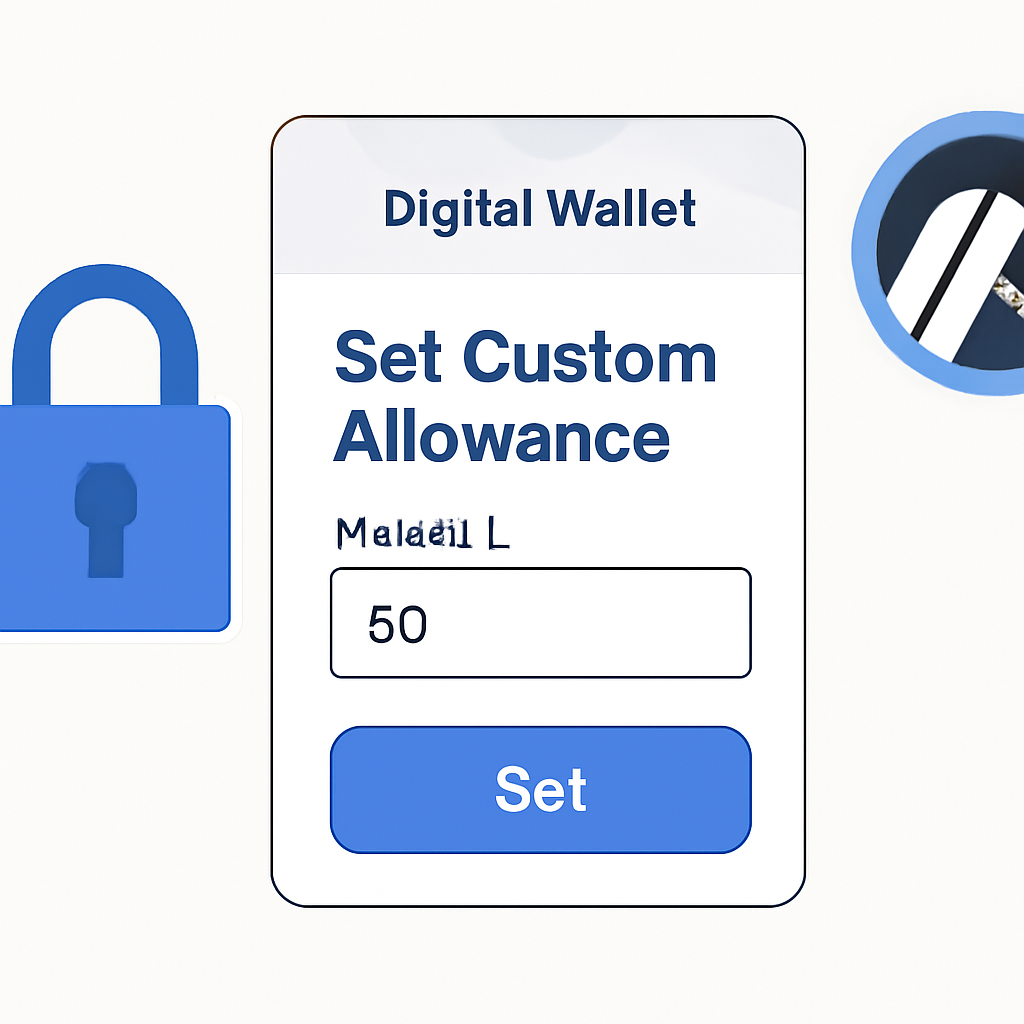
The convenience of approving unlimited token allowances is tempting - it saves time by not having to re-approve every transaction. However, granting unlimited access exposes your wallet to unnecessary risk if a protocol is compromised or an exploit occurs downstream. Best practice: always approve only what you intend to use immediately and regularly review allowances on all connected wallets.
Safely Setting Custom Token Allowances on Arbitrum DeFi
Risk Management Strategies for Sustainable Yields
Avoiding these pitfalls requires vigilance and structured process management. In addition to understanding technical risks like impermanent loss and smart contract vulnerabilities, successful liquidity providers proactively diversify their exposure across pools and regularly monitor real-time analytics.
Arbitrum (ARB) Price Prediction 2026-2031
Professional outlook based on current 2025 market data, DeFi trends, and Arbitrum ecosystem developments
| Year | Minimum Price | Average Price | Maximum Price | Year-over-Year % Change (Avg) | Market Scenario Insights |
|---|---|---|---|---|---|
| 2026 | $0.38 | $0.55 | $0.82 | +12% | Bearish scenario: Ongoing competition and low DeFi growth; Bullish: Arbitrum gains TVL and DeFi adoption |
| 2027 | $0.42 | $0.64 | $1.05 | +16% | Bearish: Regulatory headwinds limit growth; Bullish: New DeFi primitives and Layer 2 adoption boost TVL |
| 2028 | $0.46 | $0.75 | $1.32 | +17% | Bearish: Macro uncertainties, slow upgrades; Bullish: Major protocol upgrades, institutional DeFi entry |
| 2029 | $0.52 | $0.88 | $1.60 | +17% | Bearish: Stagnant DeFi interest; Bullish: Cross-chain integrations and increased liquidity provision |
| 2030 | $0.60 | $1.04 | $1.95 | +18% | Bearish: Market correction, competition from new L2s; Bullish: Mass adoption of Arbitrum DeFi and on-chain apps |
| 2031 | $0.69 | $1.24 | $2.40 | +19% | Bearish: Regulatory tightening; Bullish: Arbitrum achieves leading L2 status, robust DeFi ecosystem |
Price Prediction Summary
Arbitrum (ARB) is projected to see moderate price appreciation from 2026 to 2031, with the average price potentially rising from $0.55 in 2026 to $1.24 by 2031. The range between minimum and maximum price predictions reflects both downside risks (competition, regulatory hurdles, market cycles) and upside potential (DeFi adoption, technical upgrades, broader Ethereum Layer 2 acceptance). The outlook is cautiously optimistic, with year-over-year average price growth expected to accelerate as DeFi matures and Arbitrum cements its role in the ecosystem.
Key Factors Affecting Arbitrum Price
- DeFi adoption and total value locked (TVL) growth on Arbitrum
- Technical innovations and protocol upgrades reducing risks (e.g., impermanent loss protection)
- Regulatory developments affecting DeFi and Layer 2 networks
- Broader Ethereum scaling and Layer 2 competition
- Market cycles, macroeconomic trends, and investor sentiment
- Security improvements and mitigation of common DeFi pitfalls
- Institutional adoption and cross-chain integrations
Disclaimer: Cryptocurrency price predictions are speculative and based on current market analysis. Actual prices may vary significantly due to market volatility, regulatory changes, and other factors. Always do your own research before making investment decisions.




No comments yet. Be the first to share your thoughts!