Maximizing yield in Arbitrum DeFi has become increasingly sophisticated, and nowhere is this more evident than with GMX V2 liquidity pools. As of September 24,2025, the GMX token is trading at $18.23, reflecting a notable uptick in market confidence and reinforcing GMX’s position as a cornerstone of the Arbitrum ecosystem. For yield seekers, understanding how to harness the unique mechanics of GMX V2’s GM Pools and GLV Vaults is essential for both performance and risk management.
GMX V2 Liquidity Pools: Adaptive Yield Engines on Arbitrum
Unlike traditional order book exchanges or simple AMM platforms, GMX V2 executes trades against dynamically balanced liquidity pools. Each GM Pool supports a specific trading pair (such as BTC-USDC or ETH-USDC), allowing LPs to earn a share of trading fees and funding payments. Notably, recent data shows that these pools have consistently outperformed benchmark LP positions across Arbitrum DeFi, offering robust long-term returns even during periods of heightened volatility.
The introduction of GLV Vaults, which act as meta-pools optimizing exposure across multiple underlying GM pools, further enhances yield opportunities. By aggregating liquidity and automating rebalancing, GLV vaults help LPs capture fees from diverse markets while minimizing manual intervention. This structure not only boosts potential APR but also smooths out volatility-induced drawdowns.
“The GM pools of GMX V2 generally outperform benchmark LP positions and show robust long-term returns. ”
Yield Maximization Strategies Backed by Real Data
If you’re looking to maximize your Arbitrum DeFi yield with GMX V2 liquidity pools, it’s critical to move beyond passive holding. Consider these proven strategies:
- Leverage Neutral Strategies: Platforms like Steadefi offer 3x neutral vaults for GMX V2 that amplify returns while maintaining a market-neutral stance. This approach can be particularly effective if you expect sideways price action but want to maximize fee-based yields without directional risk exposure. For more on how these work in practice, see the detailed guide from Steadefi’s docs: 3x Neutral GMXV2 Strategy.
- Pounce on Arbitrage Opportunities: Monitor pool imbalances between longs and shorts; taking the contrarian position can net additional profits while stabilizing pool health. This dynamic is unique to GMX’s adaptive funding model, a feature not found on Uniswap or other AMMs.
- Tapping Incentive Programs: Recent ARB token allocations have supercharged native APRs for all eligible GM pools on Arbitrum. Keeping abreast of current incentives can significantly boost your net yield, these are time-sensitive opportunities that shouldn’t be overlooked.
Navigating Key Risks: Impermanent Loss and Volatility in Focus
No high-yield DeFi strategy comes without risk, and with GMX V2, two factors stand out: impermanent loss due to price divergence between pool assets, and heightened volatility impacting funding rates or liquidation thresholds. While GLV vaults help buffer some volatility via diversification and automated rebalancing, they cannot wholly eliminate exposure to extreme market moves or smart contract vulnerabilities.
GMX Price Prediction 2026-2031
Professional forecast based on current market data, DeFi trends, and GMX protocol developments
| Year | Minimum Price | Average Price | Maximum Price | % Change (Avg vs. 2025 Close) | Key Scenario |
|---|---|---|---|---|---|
| 2026 | $15.80 | $20.30 | $27.50 | +11.4% | Steady DeFi growth, moderate volatility |
| 2027 | $14.50 | $22.10 | $32.00 | +21.2% | DeFi adoption accelerates, new assets listed |
| 2028 | $13.30 | $24.70 | $38.40 | +35.5% | Major upgrades, regulatory clarity |
| 2029 | $12.10 | $28.40 | $46.20 | +55.9% | Bullish cycle, institutional entry |
| 2030 | $11.00 | $32.90 | $54.80 | +80.5% | Peak DeFi cycle, multi-chain expansion |
| 2031 | $10.00 | $29.60 | $49.10 | +62.4% | Market correction, competition intensifies |
Price Prediction Summary
GMX is poised for gradual growth over the next six years, driven by increased DeFi adoption, protocol enhancements, and expanding use cases. While average prices are expected to trend upward, significant volatility remains possible due to market cycles and competition. Bullish scenarios envision robust growth if DeFi continues to gain institutional and retail traction, while bearish scenarios reflect potential setbacks from regulatory or competitive pressures.
Key Factors Affecting GMX Price
- Adoption of GMX V2 and GLV vaults by liquidity providers and traders
- Expansion of supported assets and markets on Arbitrum and beyond
- Sustained trading volume and liquidity incentives (e.g., ARB rewards)
- Protocol upgrades and security improvements
- DeFi market cycles, including bullish and corrective phases
- Regulatory changes affecting decentralized exchanges
- Competition from other decentralized and centralized trading platforms
- Macro-economic factors influencing overall crypto sentiment
Disclaimer: Cryptocurrency price predictions are speculative and based on current market analysis. Actual prices may vary significantly due to market volatility, regulatory changes, and other factors. Always do your own research before making investment decisions.
The best defense? Stay informed about pool dynamics using real-time analytics and always deploy capital within your personal risk parameters. For those seeking deeper insights into impermanent loss mechanisms specific to Arbitrum liquidity pools, the analysis from Sperax is instructive (read here).
The Current State: All Eyes on $18.23 for GMX
This week’s price action places the spotlight squarely on the $18 handle, GMX has climbed by $1.54 ( and 0.0923%) in just 24 hours, with an intraday range between $16.58 and $18.32. These levels matter when evaluating entry points for new LP positions or adjusting existing allocations within GLV vaults.
To fully capitalize on the evolving landscape of GMX V2 liquidity pools, it’s essential to adopt a dynamic, data-driven approach. The current environment on Arbitrum rewards those who actively monitor funding rates, pool utilization, and incentive program updates. With GMX token trading at $18.23, the protocol’s adaptive funding mechanism continues to attract sophisticated LPs seeking both yield and risk-adjusted exposure to leading crypto assets.
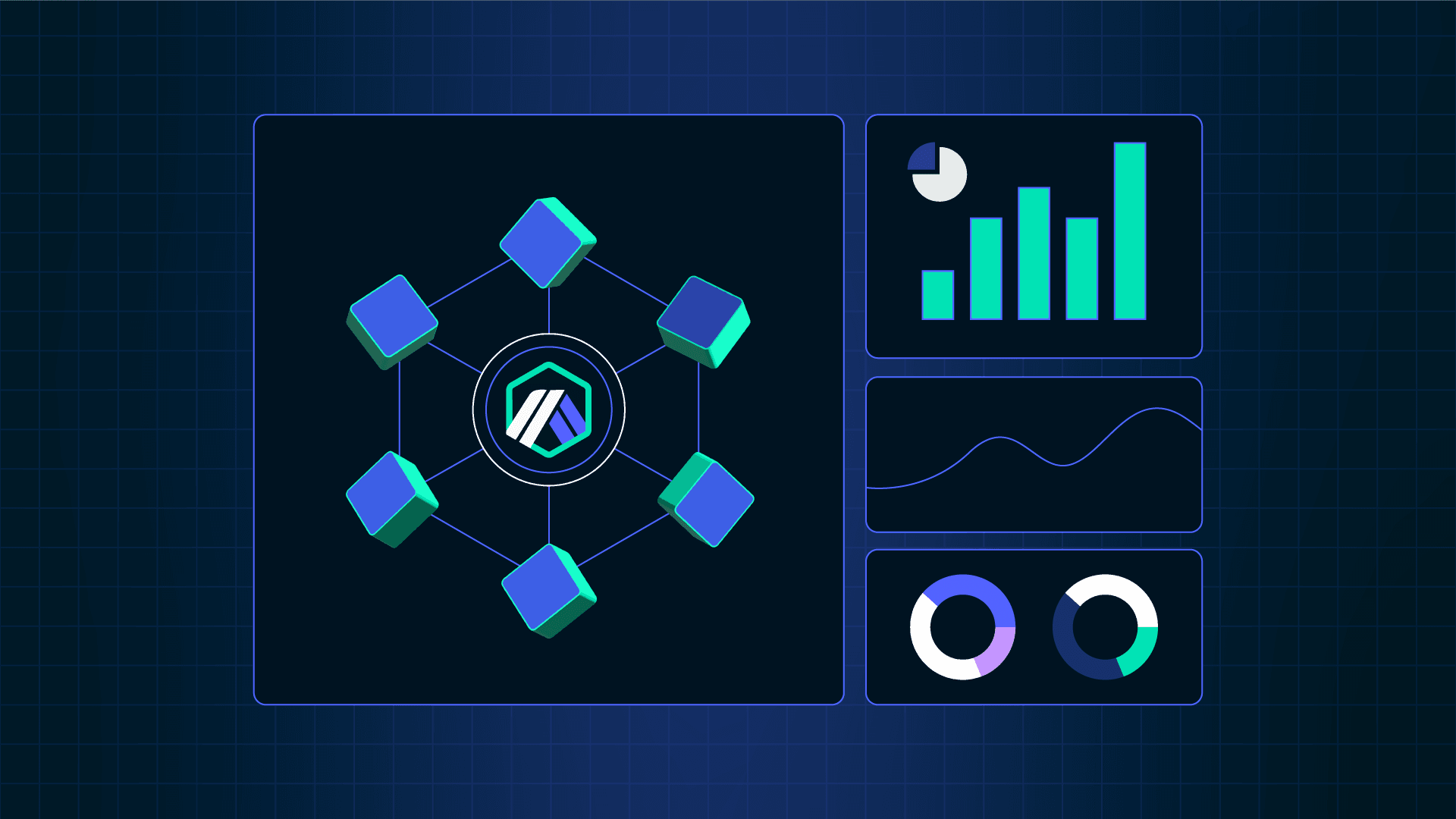
Comparing GMX V2 with Legacy Platforms: Many DeFi users are familiar with Uniswap or Curve LP strategies, but GMX’s model, executing trades against dynamically balanced pools rather than static AMM curves, yields a different risk-return profile. Recent analytics suggest that GM pools, especially when paired with GLV vaults, consistently outperform legacy LP positions in terms of net yield and volatility-adjusted returns. This is particularly evident during periods of market dislocation, where adaptive funding rates help stabilize yields for liquidity providers.
Key Differences: GMX V2 vs. Traditional AMMs
- Dynamic Liquidity Pools vs. Constant Product AMMs: GMX V2 utilizes GM pools that dynamically balance liquidity to support leveraged trading, while traditional AMMs like Uniswap use constant product formulas (x*y=k), often resulting in less efficient capital use and higher slippage during large trades.
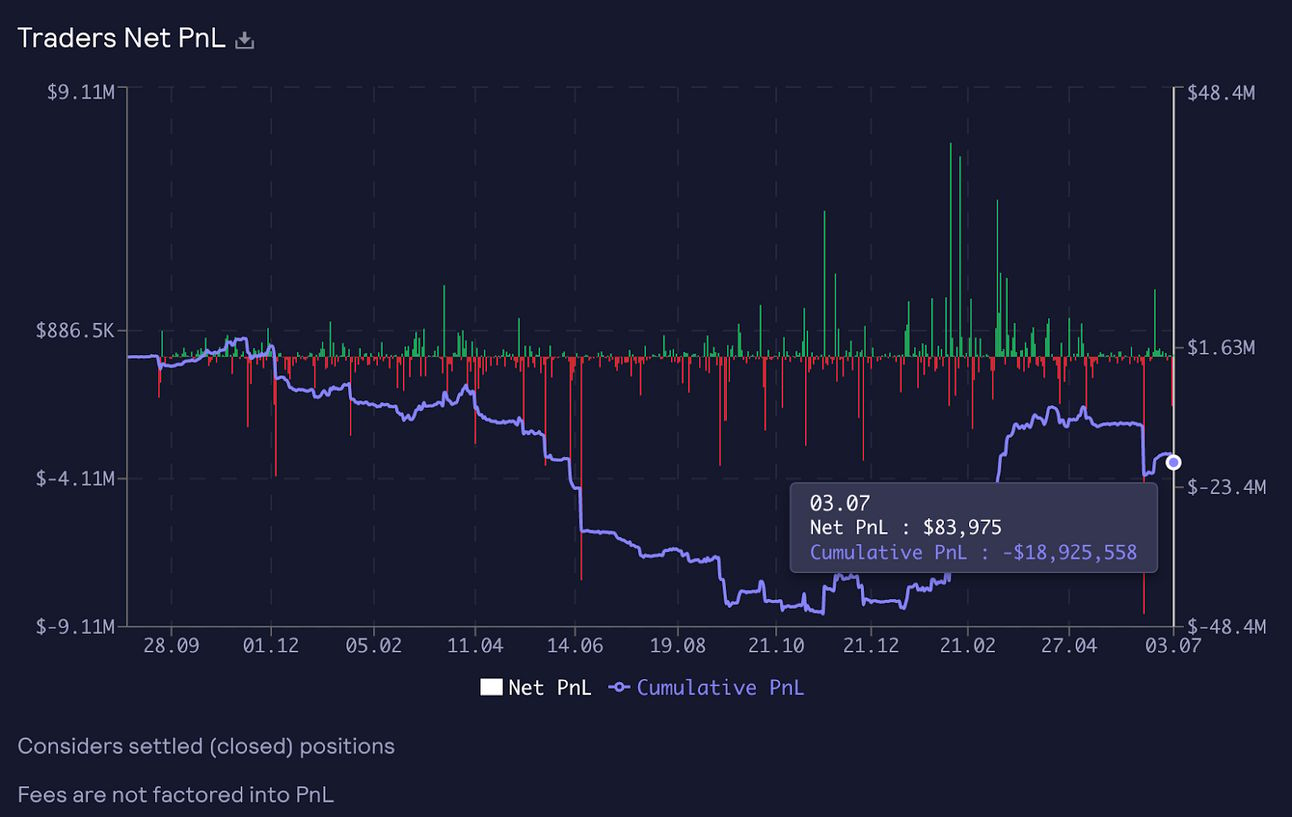
- Single-Token and Multi-Asset Exposure: GMX V2 offers single-token pools (e.g., BTC or ETH), allowing LPs to maintain exposure to one asset while earning trading and funding fees. Traditional AMMs typically require LPs to provide two tokens in equal value, exposing them to impermanent loss from both sides.
- Yield Optimization via GLV Vaults: GMX V2 introduces GMX Liquidity Vaults (GLV), which automate rebalancing and optimize fee capture across multiple pools. Most AMMs lack such automated, protocol-native vaults for yield optimization.
- Exposure to Perpetual and Spot Markets: GMX V2 allows LPs to earn from both spot and leveraged perpetual trading activity, capturing funding payments and trading fees. Traditional AMMs generally only support spot trading and do not offer funding fee income.
- Risk Management Features: GMX V2 provides enhanced hedging and risk management tools for LPs, including leverage-neutral strategies and automated rebalancing. In contrast, traditional AMMs offer limited risk controls, leaving LPs more exposed to impermanent loss and volatility.
- Protocol Incentives and Rewards: GMX V2 pools on Arbitrum benefit from ARB token incentives and native fee rewards, boosting LP yields. While some AMMs offer liquidity mining, GMX's incentives are directly tied to trading activity and pool performance.
Advanced Risk Management Tactics: Beyond impermanent loss and price volatility, smart contract risk remains a non-trivial factor in DeFi. While GMX has undergone multiple audits and maintains an active bug bounty program, prudent LPs should always size positions accordingly and consider splitting allocations across multiple vaults or pools to reduce protocol-specific risk. Automated tools and analytics dashboards can help track pool health metrics, such as open interest imbalances or sudden shifts in funding rates, that may signal changing risk conditions.
Community sentiment remains bullish on the long-term prospects of Arbitrum-based protocols that combine high capital efficiency with robust incentive alignment. The recent surge in ARB incentives for GM pools exemplifies this trend, drawing both institutional and retail capital into Arbitrum’s DeFi ecosystem.
Practical Checklist: Steps to Optimize Your Yield
Staying Ahead with Real-Time Data: The next wave of yield optimization will be driven by real-time analytics and automated rebalancing strategies. Integrating tools that alert you to incentive changes or shifting pool dynamics can give you an edge over passive LPs. Remember, the most successful providers are those who treat liquidity provision as an active strategy rather than a set-and-forget allocation.
Looking Forward: GMX Price Action at $18.23 Sets the Tone
The current price range between $16.58 and $18.32, capped by today’s close at $18.23, is more than just a number, it’s a signal of ongoing demand for both trading activity and liquidity provision on Arbitrum’s flagship perpetual DEX. As market conditions evolve, so too will the strategies required to maintain competitive yields while minimizing downside risk.
GMX Price Prediction 2026-2031
Professional forecast based on current yield opportunities, liquidity trends, and DeFi market developments (Baseline: $18.23 as of Sep 2025)
| Year | Minimum Price (Bearish Scenario) | Average Price (Base Case) | Maximum Price (Bullish Scenario) | Year-over-Year Change (Avg) |
|---|---|---|---|---|
| 2026 | $12.50 | $19.80 | $28.00 | +8.6% |
| 2027 | $13.00 | $23.60 | $35.00 | +19.2% |
| 2028 | $14.20 | $27.20 | $41.00 | +15.3% |
| 2029 | $15.50 | $31.10 | $48.00 | +14.3% |
| 2030 | $16.80 | $35.60 | $56.00 | +14.5% |
| 2031 | $18.00 | $40.80 | $64.00 | +14.6% |
Price Prediction Summary
GMX is positioned as a leading decentralized perpetual exchange on Arbitrum, with its innovative GM pools and GLV vaults driving robust yield opportunities for liquidity providers. The token’s price is expected to trend upward over the next six years, supported by growing adoption of DeFi solutions, continued development of liquidity products, and incentives for participation. However, significant volatility remains possible, especially in bearish market cycles or if regulatory or technical challenges arise. The average price could more than double by 2031 in a base-case scenario, with upside potential in periods of strong DeFi growth.
Key Factors Affecting GMX Price
- Growth and adoption of Arbitrum and DeFi as a whole
- Increased use of GMX V2 liquidity pools and GLV vaults, driving demand for the GMX token
- Sustained incentive programs (e.g., ARB grants) boosting liquidity and trading activity
- Introduction of new markets and assets on GMX V2 broadening use cases
- Advancements in risk management and smart contract security reducing protocol risk
- Potential regulatory developments impacting DeFi exchanges and token utility
- Competition from other decentralized trading platforms and aggregators
- Macro crypto market cycles and investor sentiment
Disclaimer: Cryptocurrency price predictions are speculative and based on current market analysis. Actual prices may vary significantly due to market volatility, regulatory changes, and other factors. Always do your own research before making investment decisions.
If you’re serious about maximizing your returns from GMX V2 liquidity pools, stay agile, leverage data-driven tools, and always be prepared to adjust your approach as new opportunities, and risks, emerge within the fast-moving Arbitrum DeFi landscape.



No comments yet. Be the first to share your thoughts!