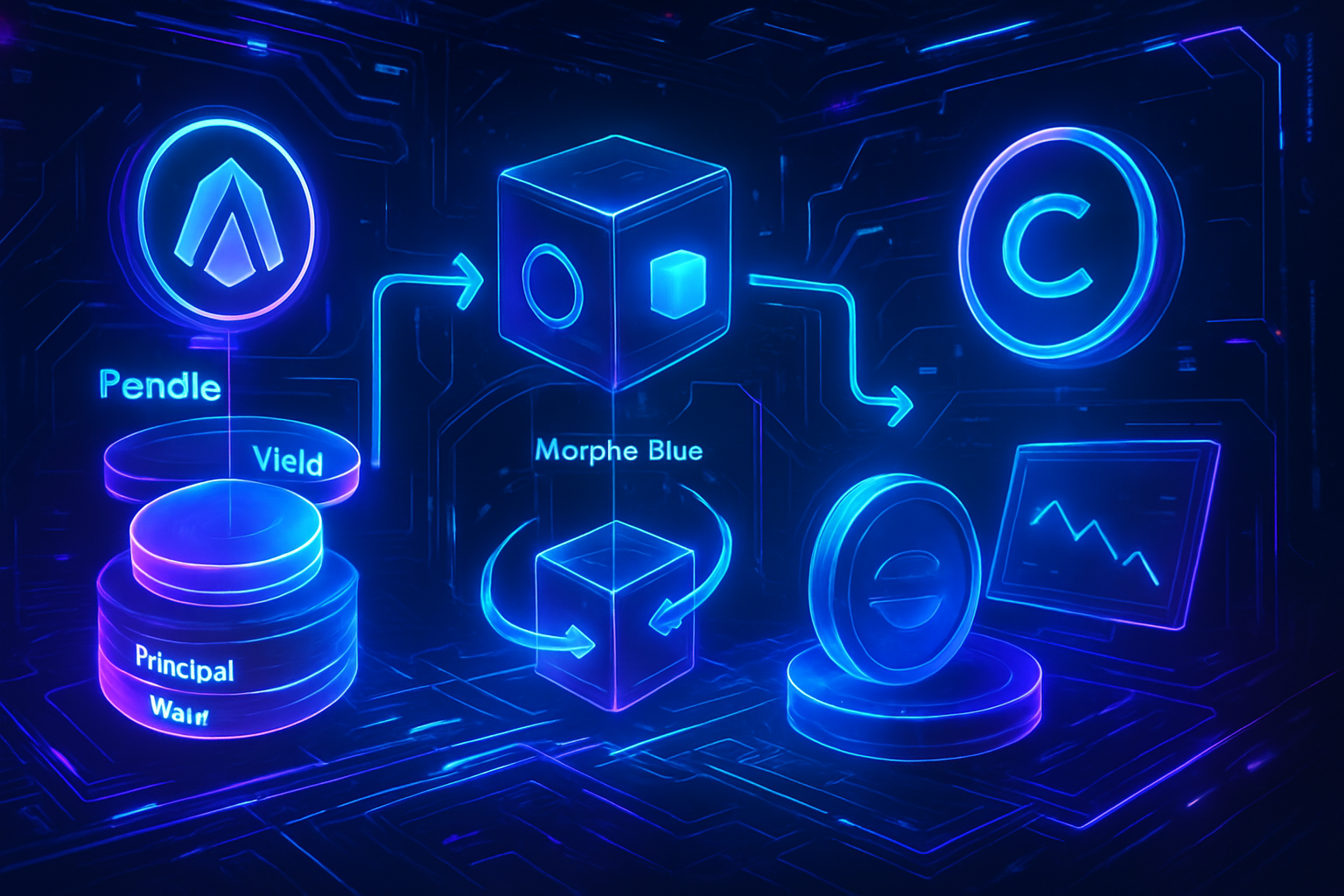
Yield farming on Arbitrum has entered a new era. With the launch of the DeFi Renaissance Incentive Program (DRIP) and the rapid evolution of protocols like Pendle, Morpho, and Rho V1, savvy DeFi users now have powerful tools to maximize returns while managing risk. Whether you’re optimizing for fixed yields, capital efficiency, or stable returns in a volatile market, the current landscape offers actionable strategies tailored to every risk appetite.
In this September 2024 update, I’ll break down three advanced yet accessible yield strategies dominating the Arbitrum ecosystem. These aren’t theoretical concepts - they’re real user routes that leverage the latest protocol incentives and liquidity depth. Let’s dive into how you can put your capital to work with confidence.
Pendle Split-Yield Strategy: Lock In Fixed Returns and Upfront Yield
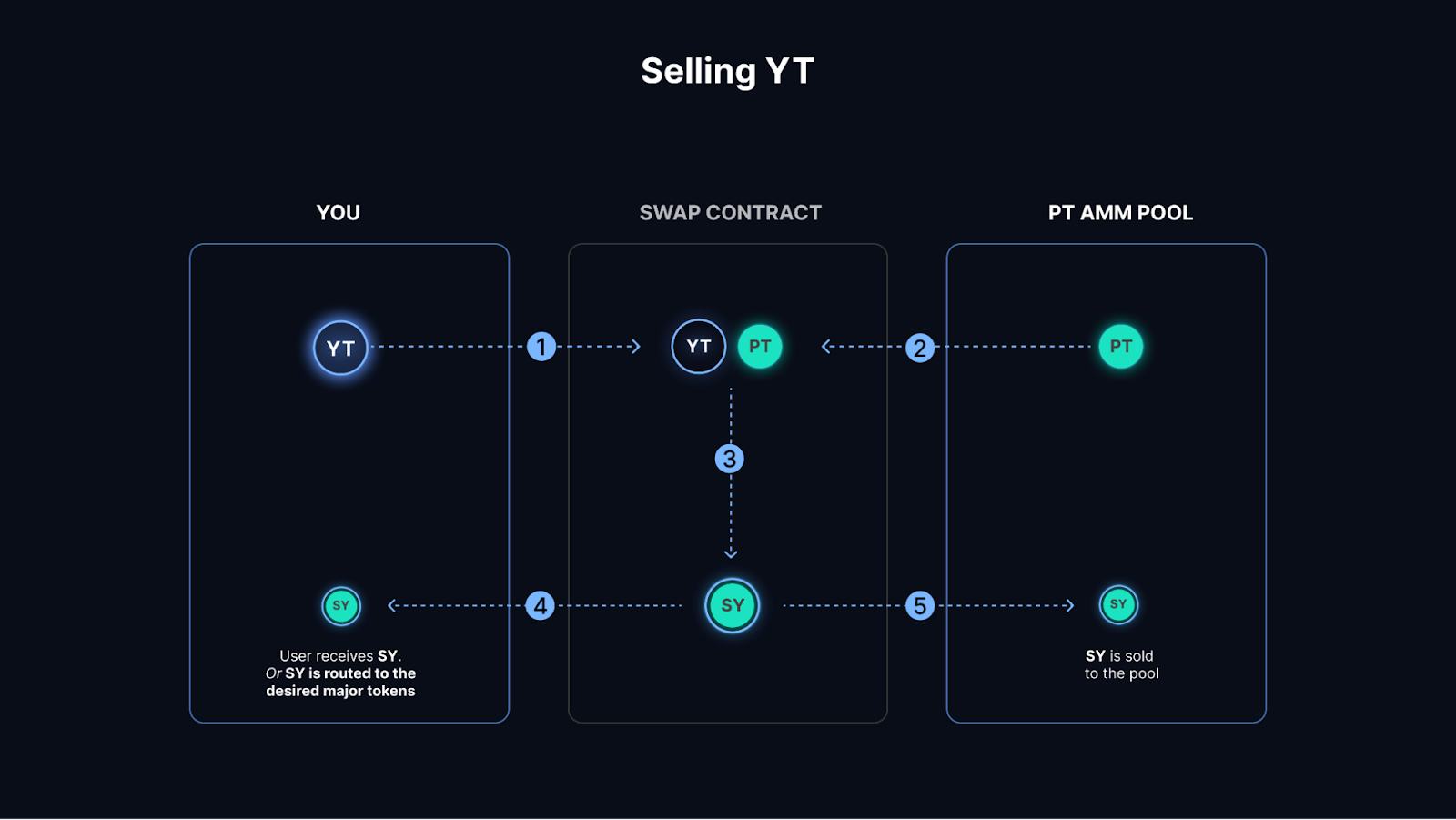
Pendle has become the go-to for fixed yield seekers on Arbitrum, especially with its permissionless tokenization of future yield streams. The core move? Deposit stablecoins like USDC or USDT into Pendle and split your position into Principal Tokens (PTs) and Yield Tokens (YTs). Here’s where it gets clever: you can immediately sell your YT for upfront yield while holding the PT until maturity for guaranteed returns.
Top Arbitrum DeFi Yield Strategies (Sept 2024)
- Pendle Split-Yield Strategy: Deposit stablecoins (such as USDC or USDT) into Pendle. Your deposit is split into Principal Tokens (PTs) and Yield Tokens (YTs). Sell the YT for upfront yield, then hold the PT until maturity for fixed returns, or re-enter the market if rates improve. This approach is highly effective during periods of high Pendle TVL and active Arbitrum incentive programs like DRIP.
- Morpho Blue Isolated Lending Loops: Supply blue-chip assets (e.g., wETH or wBTC) on Morpho Blue to earn lending APY while borrowing stablecoins against them in isolated markets. Loop the process by redepositing borrowed stablecoins into Pendle or another yield source. This strategy maximizes capital efficiency and enables risk-managed leverage, especially with Morpho’s improved liquidation mechanics and deep Arbitrum liquidity.
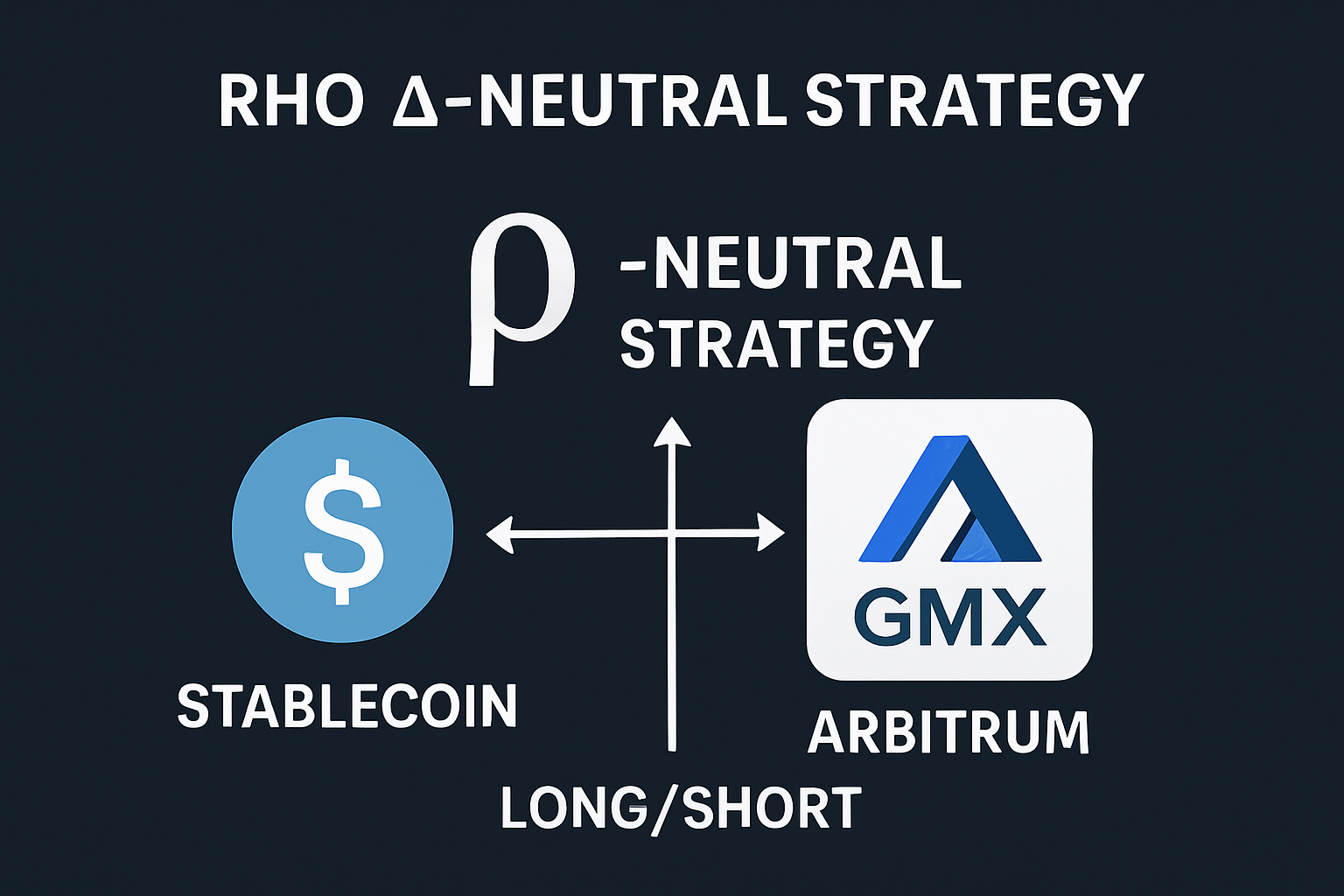
- Rho V1 Delta-Neutral Hedging: Use Rho V1 to create a delta-neutral position by depositing USDC and simultaneously shorting equivalent ETH exposure via GMX perpetuals. This hedges out market volatility while capturing protocol incentives and Rho yield. Ideal for users seeking stable returns during volatile periods or when Arbitrum incentive emissions are high.
This approach is especially potent during periods of high Pendle TVL and when Arbitrum incentive programs are live - like right now under DRIP. By selling YTs when yields spike or incentives are rich, you lock in premium returns while keeping exposure to the principal. If market rates shift favorably before maturity, you can even re-enter YT markets for additional upside.
For up-to-date Pendle stats and governance moves (including their role in ARB incentives), check the Arbitrum Governance Forum.
Morpho Blue Isolated Lending Loops: Capital Efficiency at Its Finest
Morpho Blue’s isolated lending markets are a game changer for risk-managed leverage on Arbitrum. The playbook: supply blue-chip assets like wETH or wBTC to earn lending APY, then borrow stablecoins against your collateral. Here’s where the loop comes in - redeposit those borrowed stablecoins into Pendle or another high-yield source, compounding your returns.
This strategy thrives thanks to Morpho’s improved liquidation mechanics and deep liquidity on Arbitrum. By looping between Morpho and Pendle, you can amplify your yields without exposing yourself to the systemic risks of pooled lending markets. The flexibility of isolated markets means you’re insulated from contagion events elsewhere in the protocol.
Yearn Finance’s expansion into curated Morpho markets now offers USDC deposits with an eye-catching 8.5% APY (including Morpho token incentives). For more details on this development and how it impacts your strategy set, see Yearn’s launch announcement.
Rho V1 Delta-Neutral Hedging: Earn Yield Without Market Direction Risk
If you want stable returns while sidestepping ETH price swings, Rho V1’s delta-neutral hedging strategy is a must-consider route. Here’s how it works: deposit USDC into Rho V1 to earn protocol yield and simultaneously short an equivalent ETH exposure via GMX perpetuals. This creates a position that’s insulated from ETH’s volatility - you’re earning both Rho’s native yield and any extra protocol incentives (especially juicy during DRIP’s ARB emissions).
This method shines during choppy markets or when incentive emissions are high. By neutralizing market direction risk but still collecting rewards, it’s ideal for users who prioritize consistent returns over speculative upside.
Curious how these strategies compare side by side? See below for a quick reference of their risk profiles and optimal use cases as we head into Q4 2024.
Comparison of Top Arbitrum DeFi Yield Strategies (September 2024 Update)
| Strategy | Core Mechanism | Target Assets | Yield Source(s) & Incentives | Risk Profile | Best For |
|---|---|---|---|---|---|
| Pendle Split-Yield | Deposit stablecoins into Pendle, split into Principal (PT) and Yield Tokens (YT), sell YT for upfront yield, hold PT for fixed returns | USDC, USDT, other stablecoins | Upfront yield from selling YT, fixed returns on PT, boosted by Arbitrum incentive programs and high Pendle TVL | Low to Moderate (dependent on stablecoin risk and Pendle protocol security) | Users seeking fixed yield and upfront returns during high incentive periods |
| Morpho Blue Isolated Lending Loops | Supply blue-chip assets on Morpho Blue, borrow stablecoins, loop by redepositing into Pendle or yield protocols | wETH, wBTC (collateral); USDC, USDT (borrow) | Lending APY, Morpho token incentives, additional yield from looping into Pendle or other sources | Moderate to High (leverage risk, liquidation risk, protocol security) | Yield maximizers comfortable with leverage and active management |
| Rho V1 Delta-Neutral Hedging | Deposit USDC into Rho V1, short equivalent ETH exposure on GMX perpetuals to hedge market movements | USDC (deposit), ETH (hedged via GMX) | Rho protocol yield, GMX incentives, Arbitrum emissions for stablecoin and hedged positions | Low (market-neutral, but smart contract and counterparty risk) | Conservative users seeking stable, hedged returns during volatile or high incentive periods |
All three strategies showcased above are built for the current Arbitrum landscape, where deep liquidity, protocol incentives, and robust risk tooling converge. The Pendle Split-Yield Strategy is especially attractive when TVL is surging and ARB rewards are flowing, giving users the flexibility to lock in fixed returns or re-enter yield markets as rates evolve. Morpho Blue’s isolated lending loops shine for those seeking capital efficiency with an extra layer of risk insulation, thanks to isolated markets and improved liquidation mechanics. And for anyone craving stability in the face of market chop, Rho V1’s delta-neutral hedging lets you sleep easy while still capturing protocol-driven yield.
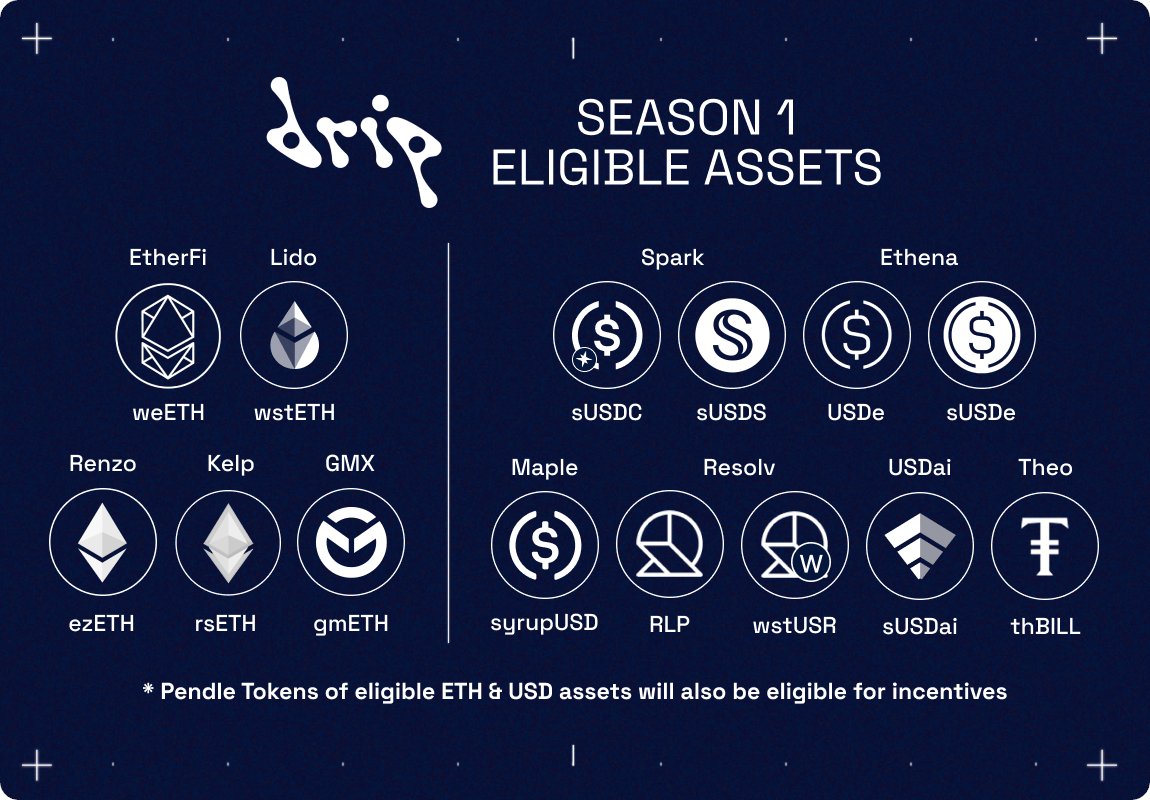
It’s worth emphasizing that these aren’t set-and-forget plays. Monitoring incentive changes, TVL flows, and protocol updates is vital, yields can shift quickly as new ARB emissions enter the ecosystem or as liquidity migrates between protocols. The DRIP program in particular is expected to inject significant rewards into leveraged looping strategies involving assets like weETH, wstETH, and sUSDC, so keeping an eye on official announcements can help you stay ahead of the curve.
Community sentiment remains bullish on Arbitrum DeFi real user routes. Many power users are sharing their experiences and tweaks in forums and Discords, don’t hesitate to tap into these resources or join the conversation yourself. The best edge often comes from being plugged into what’s working right now rather than relying on last month’s playbook.
Ready to take your Arbitrum DeFi game to the next level? Whether you’re locking in fixed returns with Pendle, leveraging blue-chip assets on Morpho Blue, or hedging volatility with Rho V1, the opportunities have never been richer, or more dynamic. As always: understand, engage, earn.




No comments yet. Be the first to share your thoughts!