GMX has long been the go-to protocol for on-chain leverage trading on Arbitrum, letting traders access spot and perpetual markets for BTC, ETH, SOL, and dozens of other tokens. With the price of GMX currently at $9.81 (as of October 17,2025), the platform continues to draw both retail and pro traders seeking efficient, transparent, and non-custodial derivatives exposure. While the much-anticipated v0.8.0 update has not yet been released, the DeFi community is buzzing about potential changes, especially around collateral factors and leverage caps. Let’s break down what these changes could mean for advanced Arbitrum trading strategies and risk management.
Why Collateral Factors Matter in Arbitrum Leverage Trading
Collateral factors are the backbone of any leveraged DeFi protocol. On GMX, they determine how much capital you can borrow relative to your deposited collateral. The min_collateral_factor_for_liquidation is a crucial parameter: it sets the threshold at which your position is at risk of liquidation. In practical terms, a lower collateral factor lets you take on more leverage, while a higher one keeps risk in check but limits your borrowing power.
For traders, this is a double-edged sword. Higher leverage means potentially higher returns, but it also magnifies losses and can trigger liquidations faster if the market moves against you. That’s why understanding these mechanics is essential for anyone looking to maximize their edge in Arbitrum DeFi.
GMX v0.8.0: What the Community Expects
Although there’s no official release yet, speculation is swirling about what GMX v0.8.0 could deliver. According to community chatter and hints from core contributors, the update is expected to provide enhanced support for real-world asset (RWA) markets and, more importantly, raise the maximum leverage cap for traders. This could mean a significant shift in the way risk and reward are balanced on the platform.
Currently, GMX already offers up to 100x leverage on select markets, but the actual leverage available to a trader is governed by the collateral factor and ongoing protocol risk assessments. By potentially lowering the min_collateral_factor_for_liquidation, v0.8.0 could unlock higher leverage for advanced users, making Arbitrum an even more attractive venue for active derivatives traders.
Risk Management in a High-Leverage Environment
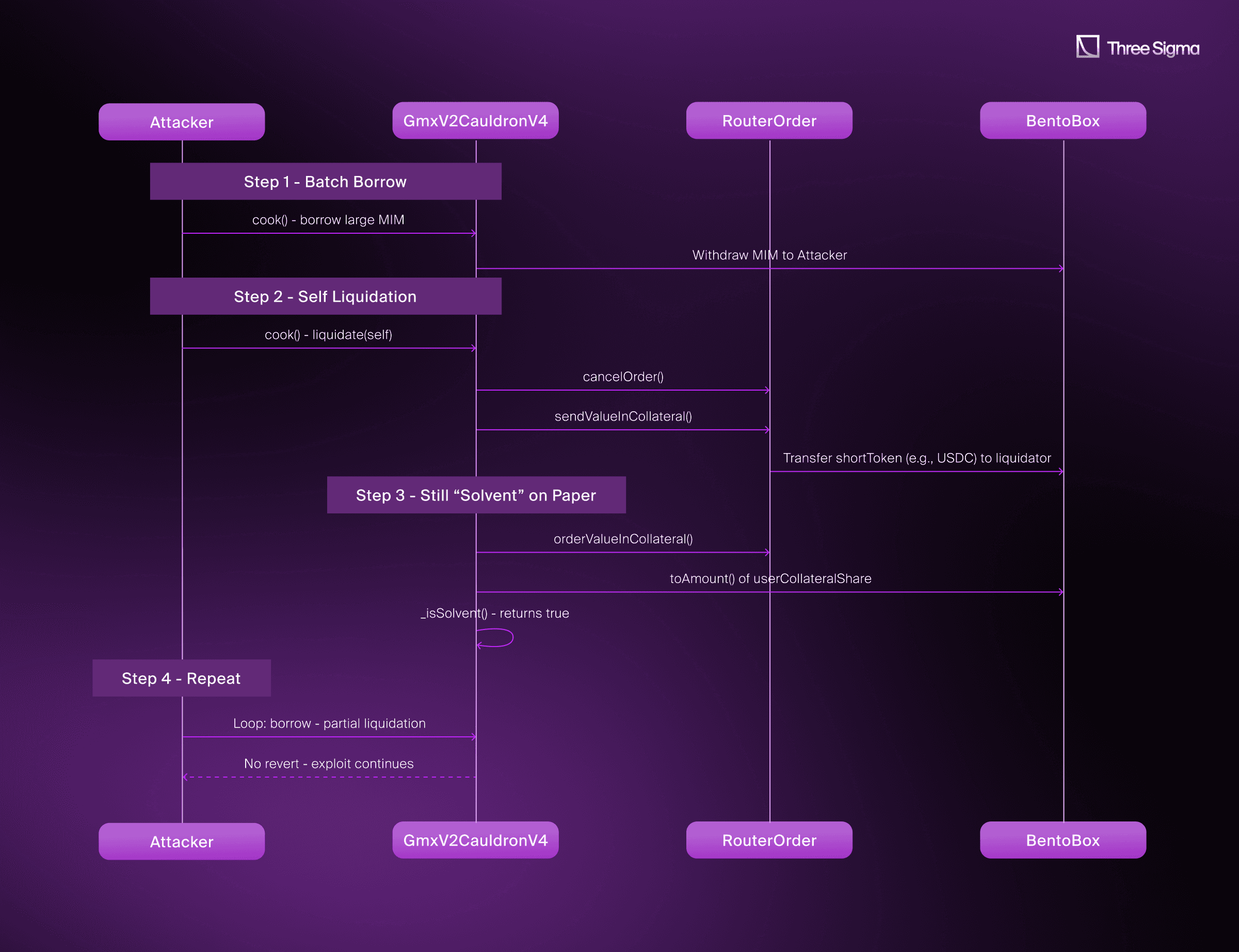
With higher leverage comes the need for disciplined risk management. The July 2025 security incident involving the V1 GLP pool, where over $40 million was stolen and later returned by a white-hat hacker, serves as a stark reminder that protocol risk, liquidation mechanics, and smart contract safety are inseparable from trading strategy. GMX’s recent grant from the Arbitrum Security Subsidy Fund, aimed at improving protocol security and cross-margin implementation, underscores this point (read more here).
For those looking to push the boundaries of leverage, it’s essential to keep a close eye on changing collateral parameters, market volatility, and your own liquidation thresholds. The right tools, like real-time analytics and robust stop-loss strategies, are your best defense in navigating the high-stakes world of Arbitrum leverage trading.
GMX (GMX) Price Prediction 2026-2031
Professional GMX price outlook based on current fundamentals, protocol updates, and crypto market trends as of October 2025.
| Year | Minimum Price | Average Price | Maximum Price | Estimated % Change (Avg) |
|---|---|---|---|---|
| 2026 | $6.50 | $10.25 | $15.80 | +4.5% |
| 2027 | $5.80 | $9.50 | $17.00 | -7.3% |
| 2028 | $6.10 | $11.10 | $19.50 | +16.8% |
| 2029 | $7.00 | $13.00 | $22.00 | +17.1% |
| 2030 | $8.50 | $15.20 | $25.80 | +16.9% |
| 2031 | $10.20 | $18.00 | $29.00 | +18.4% |
Price Prediction Summary
GMX's price outlook for 2026-2031 is cautiously optimistic, reflecting both the protocol's growth potential and inherent risks in the DeFi derivatives sector. After a volatile 2025 marked by security incidents and new features, GMX is expected to see moderate growth in 2026, with more pronounced upside potential as multichain expansion, cross-margin capabilities, and broader DeFi adoption take hold. However, the protocol's price remains sensitive to regulatory shifts, security, and competition from other DEXs. Bullish scenarios envision GMX capitalizing on increased derivatives trading activity and protocol improvements, while bearish cases include heightened competition or further security setbacks.
Key Factors Affecting GMX Price
- Security of GMX protocol and liquidity pools after the 2025 breach.
- Adoption of GMX’s new features (multichain, gasless trading, cross-margin).
- Overall crypto market cycles and risk appetite for DeFi tokens.
- Regulatory developments impacting DeFi and derivatives trading.
- Competition from other decentralized perpetual and options exchanges.
- Potential for increased trading volume and fee generation on Arbitrum and other chains.
- Technological improvements and the rollout of major protocol updates (e.g., v0.8.0, if released).
Disclaimer: Cryptocurrency price predictions are speculative and based on current market analysis. Actual prices may vary significantly due to market volatility, regulatory changes, and other factors. Always do your own research before making investment decisions.
One of the most exciting aspects of GMX’s evolving risk framework is the prospect of more dynamic collateral factors. If v0.8.0 introduces adjustable min_collateral_factor_for_liquidation parameters by asset, it could allow for tailored leverage profiles depending on token volatility and liquidity. For example, blue-chip assets like BTC or ETH might support higher leverage than newer, less liquid tokens, giving traders more flexibility to optimize their capital across different markets.
Advanced Arbitrum DeFi Trading Strategies on GMX
- Cross-Margin Trading with GMX: Take advantage of GMX's cross-margin system to use a single collateral pool for multiple open positions, optimizing capital efficiency and reducing liquidation risk.
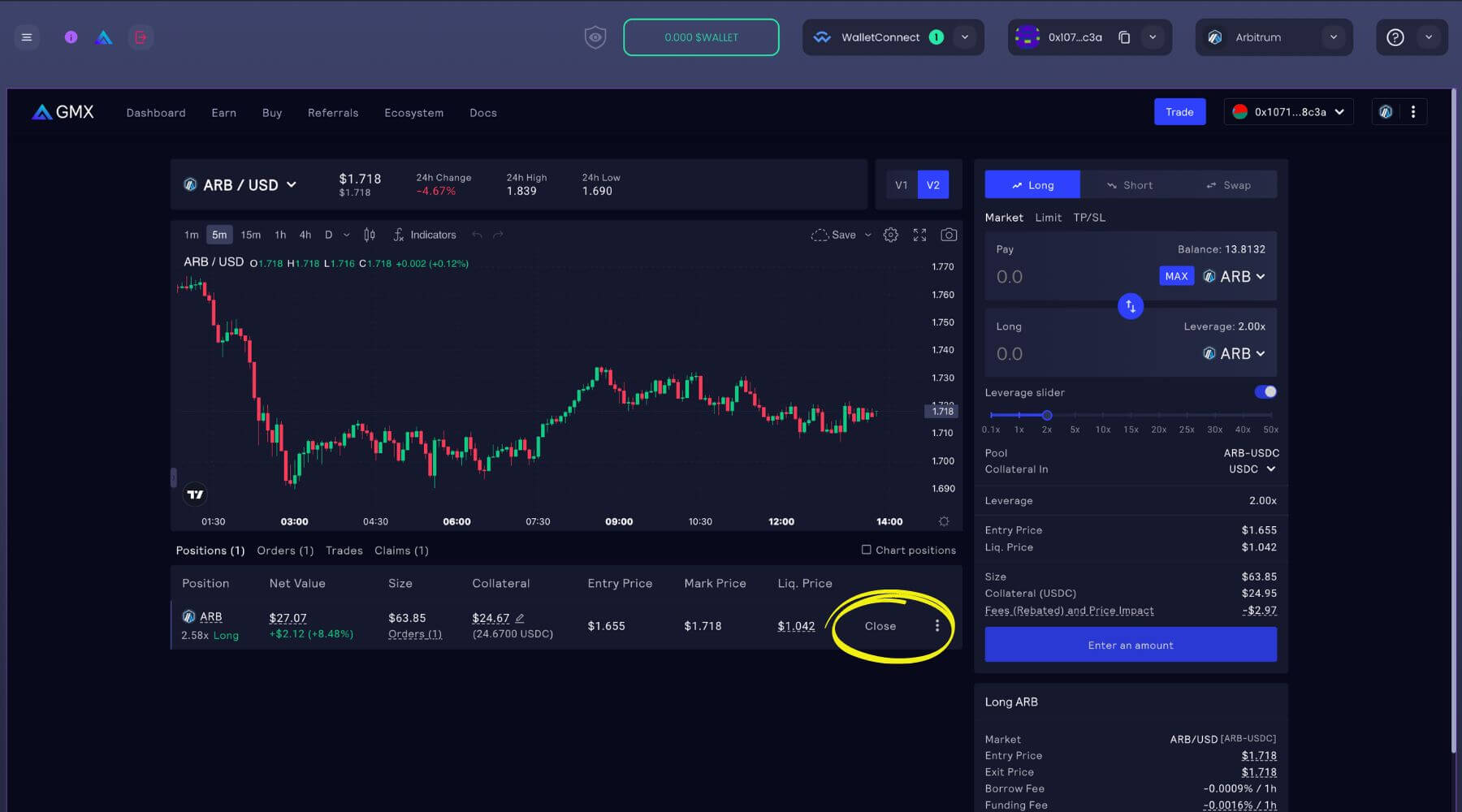
- Leveraged Perpetual Trading on Major Assets: Trade perpetual futures for BTC, ETH, ARB, and SOL with up to 50x leverage, directly from your wallet on Arbitrum, allowing for both long and short strategies.
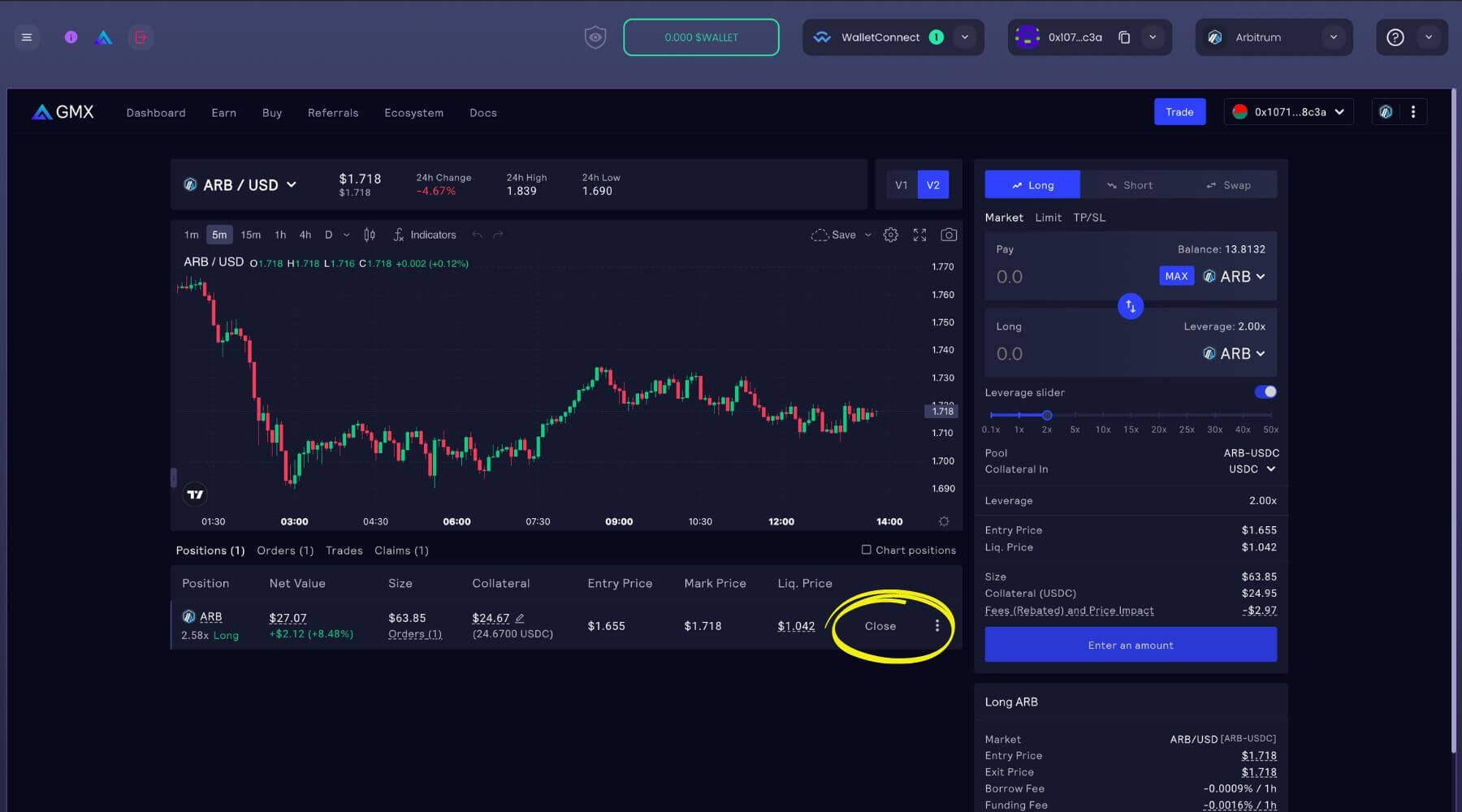
- Liquidity Provision in the Multi-Asset GLP Pool: Provide liquidity to GMX's GLP pool, earning a share of trading fees and market making rewards, while gaining exposure to a diversified basket of top cryptocurrencies.
- Gasless Transactions via GMX Express: Use GMX Express for gasless trading, enabling more frequent strategy adjustments and minimizing transaction costs on Arbitrum.
- Risk Management with On-Chain Analytics Tools: Integrate analytics platforms like DeFiLlama or Dune Analytics to monitor open interest, funding rates, and liquidity data on GMX, supporting more informed trading decisions.
Of course, this flexibility comes with trade-offs. As the protocol calibrates risk parameters in real time, traders must stay vigilant. A sudden change in volatility or a protocol-level adjustment to collateral requirements can impact your margin and trigger liquidations faster than expected. That’s why seasoned Arbitrum traders rely on automation tools and alerts to monitor their positions around the clock.
How to Protect Yourself: Liquidation Mechanics on GMX
Understanding GMX’s liquidation process is non-negotiable for anyone using leverage. When your position equity drops below the min_collateral_factor_for_liquidation, the protocol initiates a partial or full liquidation to protect the pool and other traders. This is handled transparently and on-chain, but it can happen quickly, especially in volatile markets.
Tip from Sophie: "Always know your liquidation price before opening a leveraged trade. Use GMX’s built-in calculators and set conservative stop-losses to avoid forced liquidations. "
The platform’s upcoming cross-margin features (currently in development) will also play a key role in helping users manage risk across multiple positions, potentially smoothing out the impact of sudden market moves.
Community Pulse: What Traders Are Watching Next
The anticipation for GMX v0.8.0 is palpable across Arbitrum DeFi circles. Beyond just higher leverage, traders are eager for features that boost transparency, security, and capital efficiency. The recent rollout of gasless transactions via GMX Express has already made trading smoother and more affordable for active users (learn more here). With security still top-of-mind following the July 2025 incident, all eyes are on how protocol upgrades will balance innovation with robust risk controls.
As we await official details on v0.8.0’s release date and feature set, smart traders are preparing now, reviewing their risk management plans, keeping tabs on protocol updates, and staying plugged into community discussions. Whether you’re a seasoned options specialist or just starting your Arbitrum DeFi journey, understanding how collateral factors shape your leverage (and your risk) is key to unlocking new opportunities while staying protected in fast-moving markets.




No comments yet. Be the first to share your thoughts!