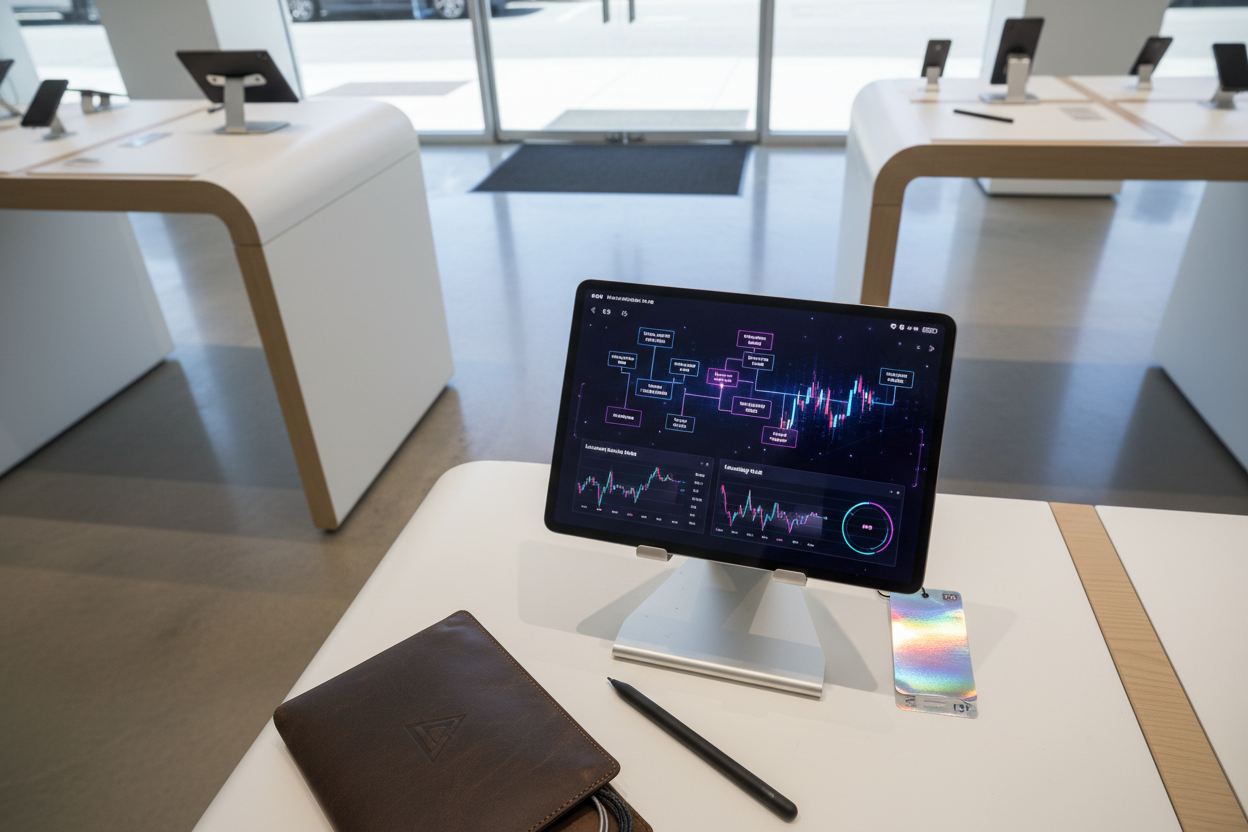
Imagine earning steady yields from perpetuals trading frenzy without sweating every price swing. That's the promise of GMX Arbitrum V2 liquidity pools, where delta-neutral funding rate farming strategies shine. With GMX trading at $6.30 today, down just 0.0125% over the last 24 hours from a high of $6.50, the protocol's V2 upgrades make it easier than ever for liquidity providers to capture funding rates while hedging out market risk. These pools aren't your grandpa's GLP; they're sophisticated setups designed for the big leagues.
GMX Arbitrum V2 flips the script on liquidity provision. Forget the old all-asset GLP pools that exposed you to broad market beta. V2 introduces GM pools, segregated by market, and single-token options like BTC or ETH pools. Liquidity providers deposit stablecoins or assets to back specific perps markets, earning a slice of trading fees and funding payments. Chaos Labs' genesis risk framework backs this with architecture that isolates risks, making it safer to farm those juicy funding rates during volatile periods.
Why Delta-Neutral Strategies Rule GMX V2 Pools
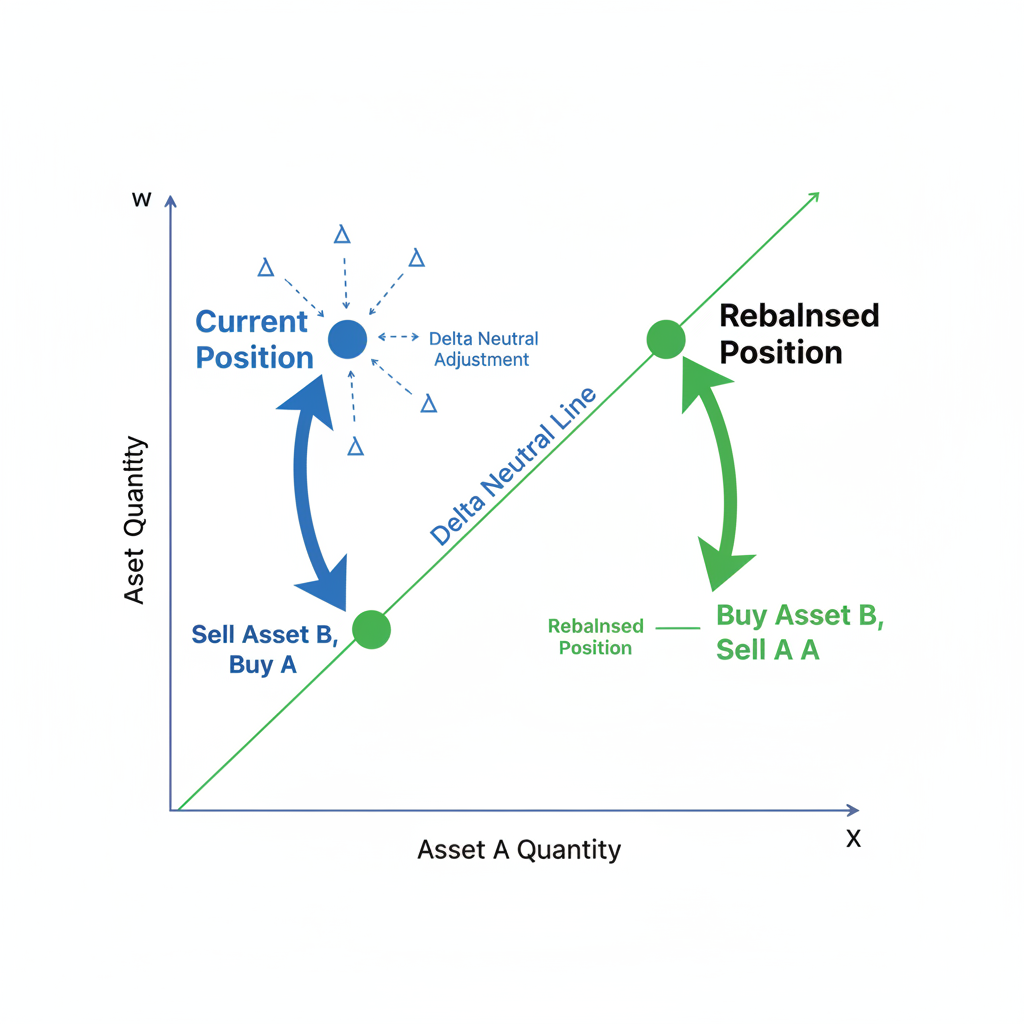
Delta-neutral means your position's value stays flat even if prices moon or crater. In GMX terms, it's providing liquidity to pools like ETH-USDC while shorting ETH elsewhere to offset directional bets. Funding rate farming kicks in here: longs pay shorts (or vice versa) periodically, and as an LP, you collect regardless via pool dynamics. On Arbitrum, low fees supercharge this, especially with STIP grants boosting APRs across GM pools.
Take Umami Finance's GLP vaults: they've nailed delta-neutral positions through internal netting and external hedges on GMX itself. Backtests clock in at 26.67% annualized returns with tiny delta exposure. It's a single-sided entry, no need to juggle multiple legs manually. Rudy Capital pushes further, stressing gamma neutrality by factoring open interest, avoiding pitfalls where plain delta hedges fall short.
GMX V2's segregated pools mitigate LP risks like never before, per Chaos Labs analysis.
Standout Protocols Pioneering Delta-Neutral Farming
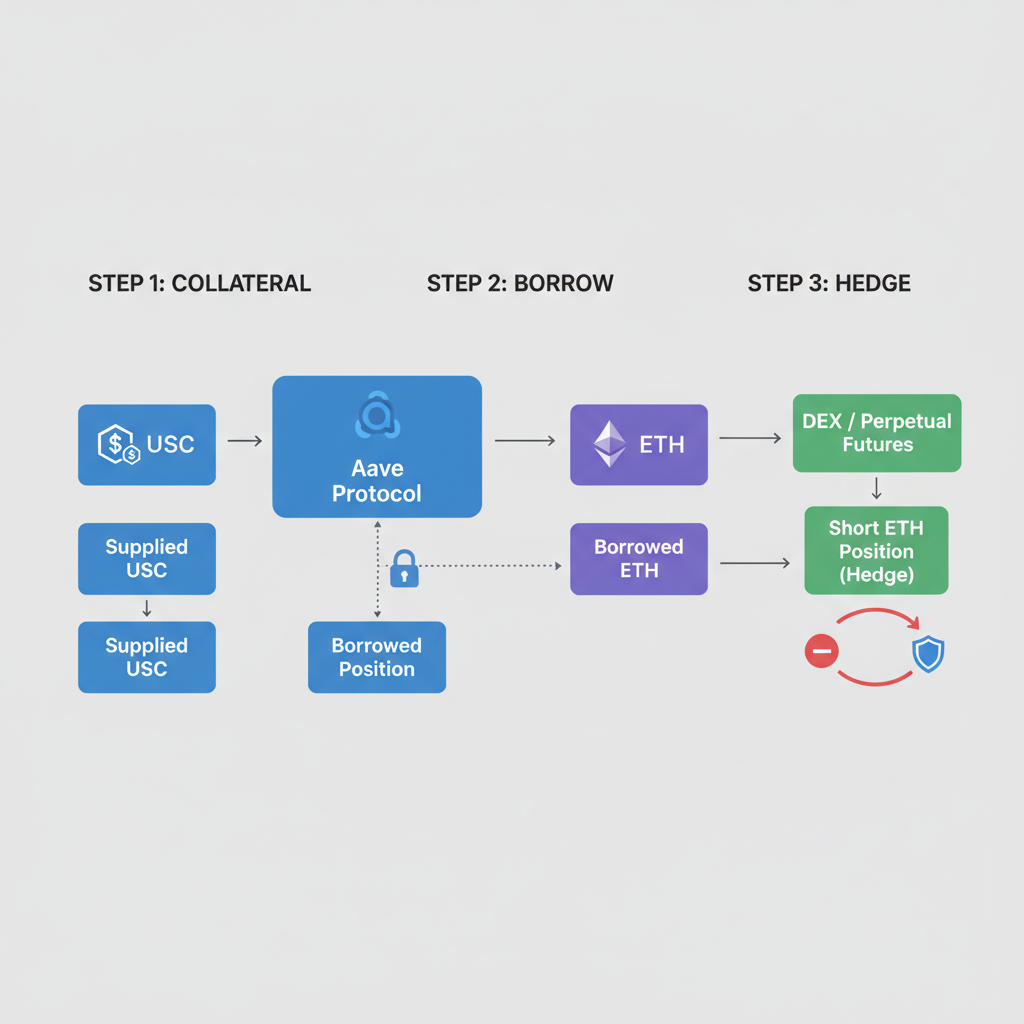
GMD Protocol is gunning for the first dedicated GMX V2 Delta Neutral Vault on Arbitrum, backed by an open grant application. It promises optimized yields without rebalancing user funds directly, instead parking 5-15% in vaults for tweaks. Meanwhile, Fija Capital's playbook: dump USDC into ETH-USDC pools, short ETH on Aave, and automate rebalances. Steadefi's 3x Neutral GMXv2 vault amps it up with leverage for sideways markets, perfect when funding rates oscillate.
Nansen highlights Risk-On Vaults hedging GLP's BTC/ETH via Aave and Uniswap shorts. These aren't theoretical; they're live plays in the GLP wars, where top dogs nest strategies like Russian dolls. Single-token pools let you keep BTC exposure while farming fees, a game-changer announced recently.
Arbitrum's ecosystem juices this further. All GM pools snagged STIP incentives, padding native APRs from fees. As GMX holds strong at $6.30, these strategies offer a hedge against crypto's wild rides. But here's my take: delta-neutral isn't set-it-forget-it. Watch open interest; if it skews heavy one way, funding flips, and your neutrality cracks without gamma tweaks.
GMX Price Prediction 2027-2032
Forecast based on Arbitrum V2 liquidity pools adoption, delta-neutral funding rate farming strategies, and TVL growth
| Year | Minimum Price | Average Price | Maximum Price | YoY % Change (Avg from Prev) |
|---|---|---|---|---|
| 2027 | $5.00 | $12.00 | $25.00 | +90% |
| 2028 | $10.00 | $22.00 | $45.00 | +83% |
| 2029 | $18.00 | $38.00 | $80.00 | +73% |
| 2030 | $30.00 | $60.00 | $120.00 | +58% |
| 2031 | $45.00 | $90.00 | $180.00 | +50% |
| 2032 | $65.00 | $130.00 | $250.00 | +44% |
Price Prediction Summary
GMX is positioned for robust growth from its current $6.30 price in 2026, fueled by Arbitrum V2 innovations like segregated GM pools, GLP vaults, and delta-neutral strategies from Umami, Rudy Capital, and Steadefi. These enhance LP yields (e.g., 26.67% backtested APRs) while minimizing risks, projecting average prices rising over 20x by 2032 in bullish adoption scenarios, with mins reflecting bearish cycles or competition.
Key Factors Affecting GMX Price
- Arbitrum V2 adoption and TVL surge via STIP grants and liquidity incentives
- Delta-neutral vaults and hedging strategies (e.g., Umami GLP, Steadefi 3x Neutral) boosting yields and attracting LPs
- Segregated GM pools and GLV reducing LP risks per Chaos Labs framework
- Single-token pools maintaining BTC/ETH exposure while earning fees
- DeFi perp trading volume growth amid sideways markets
- Crypto market cycles: Bull runs 2028-2030, potential bears in regulatory shifts
- Competition from other DEXs but GMX's low fees and liquidity edge
- Technological risk frameworks and automated rebalancing for stability
Disclaimer: Cryptocurrency price predictions are speculative and based on current market analysis. Actual prices may vary significantly due to market volatility, regulatory changes, and other factors. Always do your own research before making investment decisions.
Building Your Edge in Funding Rate Dynamics
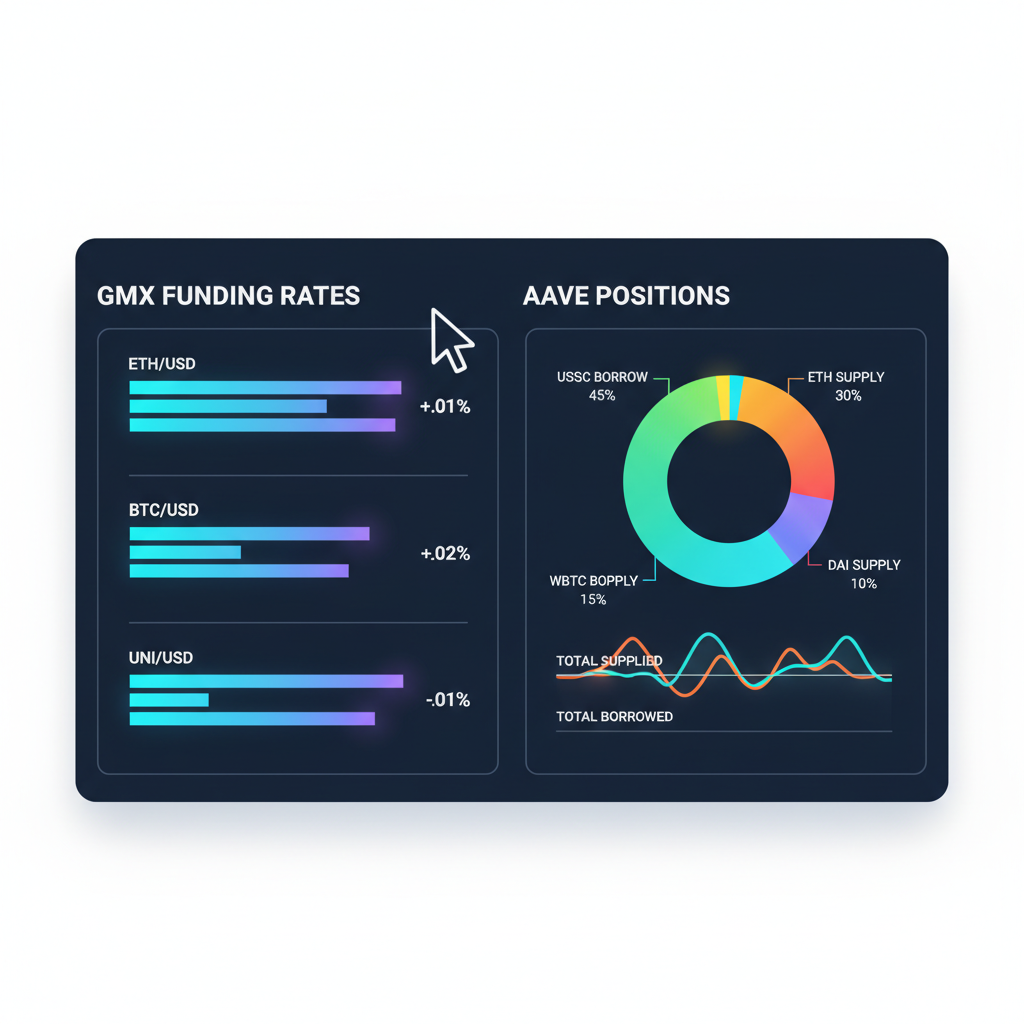
Funding rates on GMX perps Arbitrum are the secret sauce. Positive rates? Longs pay shorts, flowing to LPs indirectly. V2's design captures more via precise pool matching. Delta neutral GMX strategies excel in ranging markets, but shine brightest when perps premium diverges from spot. Umami's feats prove it: non-custodial, automated, and crushing benchmarks.
Opinion time: Skip vanilla LPing. Layer on hedges for true passivity. Protocols like these lower the bar for retail, but pros still win with custom triggers. Check this guide for yield max tips, though V2 deltas add the neutral twist. With Arbitrum GLP liquidity evolving fast, now's prime time to stack positions.
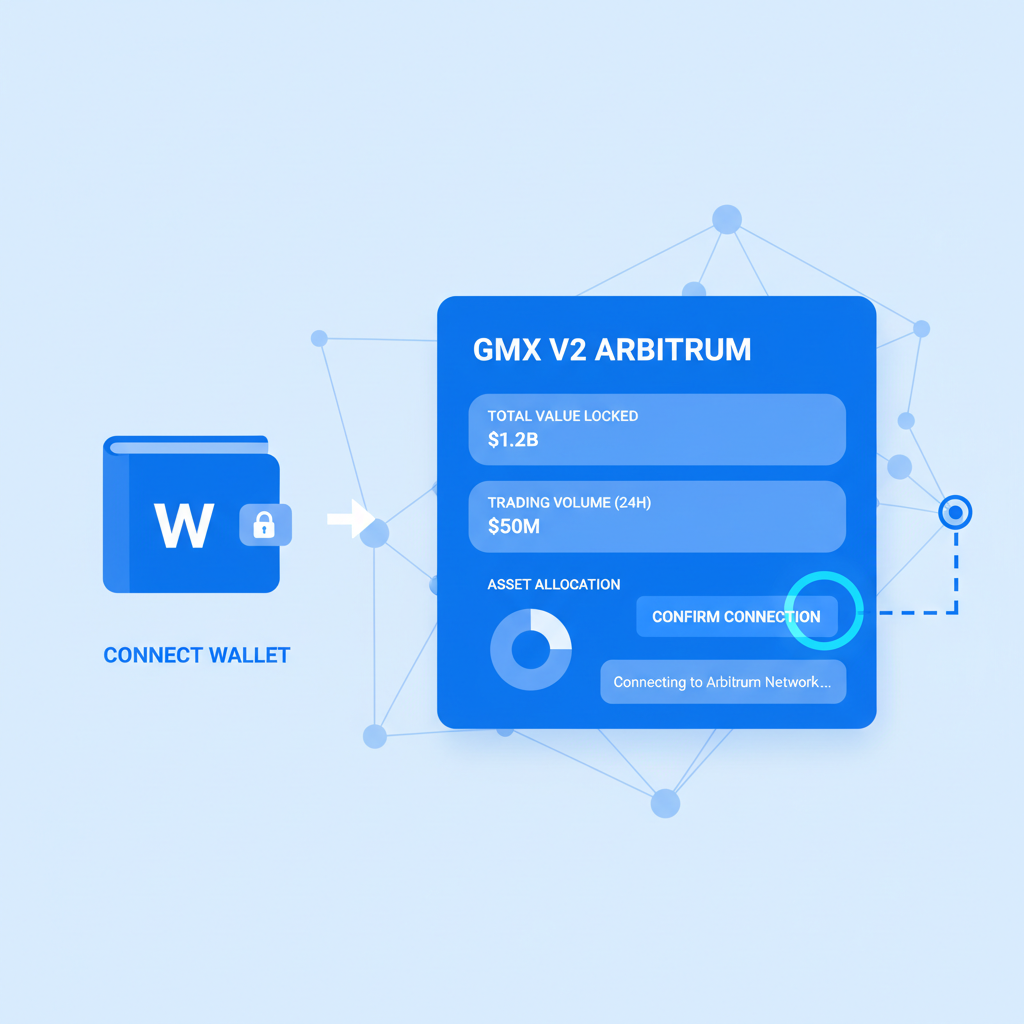
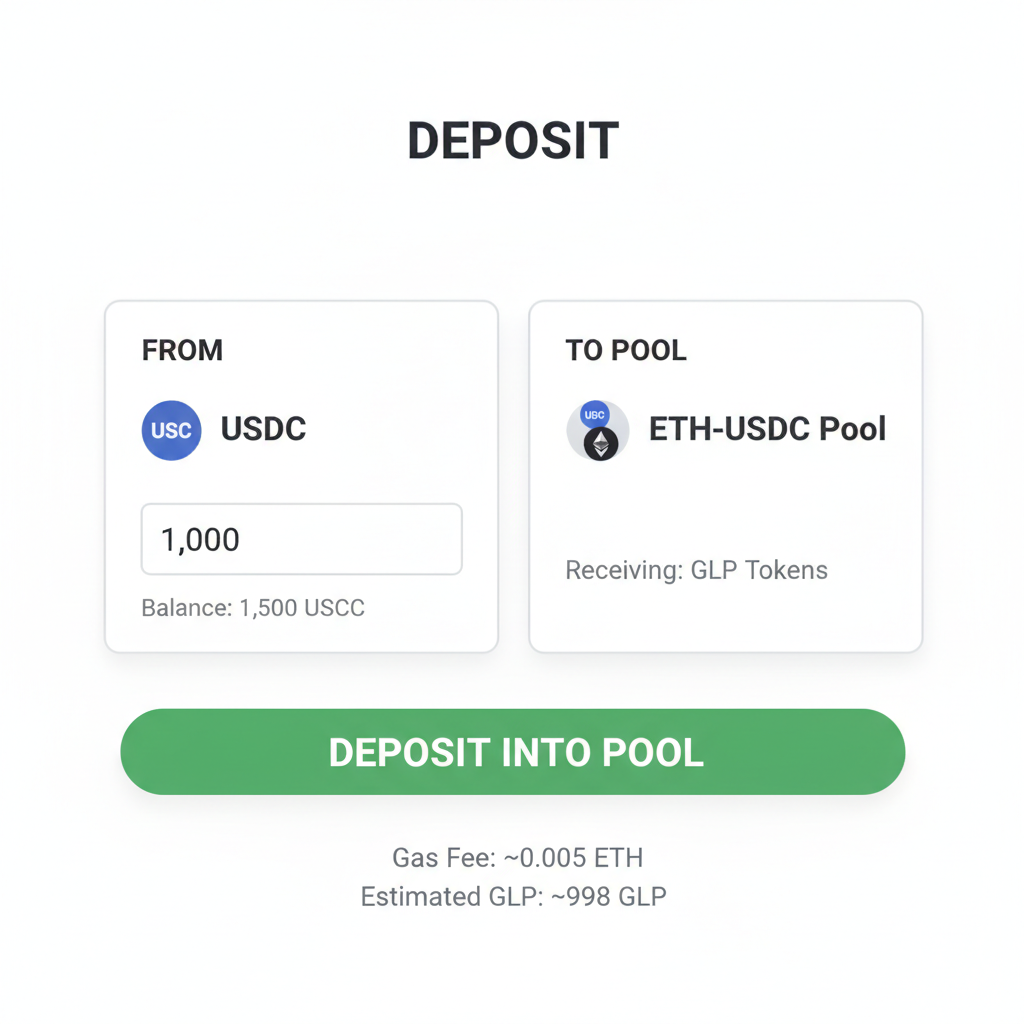
Ready to put this into action? A basic delta-neutral setup starts with picking a high-volume GM pool like ETH-USDC on GMX Arbitrum V2. Deposit USDC as LP, then hedge your implicit long ETH exposure by opening a short position on Aave or another perp venue. Rebalance weekly or on 5% deltas to keep it tight. This captures funding rates from GMX perps Arbitrum guide traders without betting the farm on direction.
Master Delta-Neutral Farming: GMX V2 ETH-USDC Pool Guide
Comparing Top Delta-Neutral Plays
Not all strategies fit every trader. Umami's vaults automate everything non-custodially, netting those eye-popping 26.67% backtested APRs. GMD Protocol's upcoming vault eyes similar via grant-funded tweaks, focusing on optimized LP options without touching your principal. Steadefi's 3x levered neutral vault suits aggressive folks chasing amplified yields in choppy markets, while Fija Capital's USDC-centric approach prioritizes simplicity with automated shorts.
Comparison of Delta-Neutral Funding Rate Farming Strategies on GMX Arbitrum V2
| Protocol | Key Features | Est. APR | Risk Level (Low/Med/High) | Leverage | Best For (Sideways/Bullish) |
|---|---|---|---|---|---|
| Umami GLP Vaults | Non-custodial LP to GMX GLP + delta-neutral hedging via internal netting & GMX shorts | 26.67% (backtest) | Low | 1x | Sideways |
| GMD Delta Neutral Vault | First GMX V2 delta-neutral vault; 5-15% rebalancing deposits; STIP grant incentives for optimized yields | Est. 20-30% | Low | 1x | Sideways |
| Steadefi 3x Neutral | Leveraged neutral vault on GMX V2 pools; enhances yields while maintaining market neutrality | Est. 40-90% (leveraged) | High | 3x | Sideways ➡️ |
| Fija Capital strategy | USDC LP to ETH-USDC pool + ETH shorts on Aave; automated rebalancing & risk triggers | Est. 25-35% | Med | 1x | Sideways |
Rudy Capital warns against delta-only hedges; factor open interest for gamma neutrality, or convex risks bite during squeezes. Nansen's GLP wars research shows Risk-On Vaults dominating by layering Aave and Uniswap shorts on BTC/ETH exposure. These aren't side quests; they're core to funding rate farming Arbitrum dominance.
GMX at $6.30 reflects V2's momentum, with single-token pools letting you farm fees atop BTC holdings. Arbitrum STIP grants pad APRs across all GM pools, turning fees into reliable income. But volatility lurks: extreme funding flips or pool imbalances can erode neutrality. My advice? Cap exposure at 10-20% of portfolio. Use tools like Chaos Labs' risk framework to gauge pool health, and set stop-losses on hedges. I've seen unchecked positions lose 15% in a weekend flash crash; risk management isn't optional, it's your edge.
Risks, Tweaks, and Pro Tips
Beyond basics, monitor Arbitrum GLP liquidity depth. Thin pools amplify losses from large trades. Impermanent loss shrinks in single-asset GM pools, but funding arbitrageurs can front-run. Pro tip: Pair with options overlays for gamma protection, aligning with my options background. Check GMX's GLV vaults for amplified exposure without solo hedging hassle.
In sideways grinds, these shine; Steadefi's leverage turns 10% base APR into 25-30% potential. Bull runs? Funding positives flow heavy to LPs. Bears flip it, but shorts pay out. With GMX's V2 architecture segregating risks, LPs sleep better. Dive deeper via yield strategies for Arbitrum GMX pools, blending V2 pools with shorts.
Stacking delta neutral GMX strategies now positions you ahead of the curve. As Arbitrum TVL climbs and perps volume surges, funding rates will reward patient providers. GMX's $6.30 stability amid a -0.0125% dip underscores protocol strength. Dial in your risk tolerance, automate where possible, and farm those rates smartly. Your portfolio will thank you when the next leg up hits.

No comments yet. Be the first to share your thoughts!