
In the fast-paced world of Arbitrum DeFi, GMX V2 stands out as a powerhouse for liquidity mining, especially with its recent Ethereum Mainnet integration boosting accessibility and efficiency. As of February 2026, GMX trades at $5.96, down 5.85% over the last 24 hours from a high of $6.54, yet its V2 pools on Arbitrum have seen TVL surge from $80 million to a peak of $400 million, fueled by 12 million ARB incentives from the Short-Term Incentive Plan. This influx supported liquidity providers with extra rewards, fee subsidies for V1 to V2 migrations, and trader rebates, making Arbitrum liquidity mining more lucrative than ever. GLP holders, who fund the pools for perpetual trades and swaps, capture 70% of platform fees, while stakers get 30% or 27% depending on the version.
GMX's unique GM pools and GLV vaults each back specific markets, providing deep liquidity without traditional order books. This setup minimizes slippage and supports leverage trading, but imbalances between long and short positions remain a risk for providers. With protocol rewards now distributed as GMX tokens and staking in native assets like ETH, the ecosystem rewards active participation. For those eyeing GLP staking rewards, the referral code 'milk' offers 10% off fees on minting and redemptions, a simple entry point to amplify net yields.
Navigating GMX Arbitrum V2 Pools for Optimal Entry
Providing liquidity starts with minting GLP tokens, which automatically stake and earn from trader activity. High-volume assets dominate: BTC, ETH, and ARB pools see the most action, balancing supply with demand effectively. Recent ARB incentives have supercharged these pools, pushing TVL metrics to new heights. Yet, success hinges on strategy. Impermanent loss from pool imbalances can erode gains, but tools like the GMX analytics dashboard offer real-time insights for adjustments.
Fee dynamics are straightforward: trades influence pool balance, with helpful trades reducing fees. GLP earners benefit from this 70/30 split, compounded by multipliers in V2 earn vaults. As GMX price holds at $5.96, now's the time to position for yield optimization amid market volatility.
Strategy 1: Leverage Referral Code 'milk' for Fee Efficiency
The first step to GMX pool strategies 2026 is cost reduction. Using referral code 'milk' slashes fees by 10% on GLP minting and redemptions, directly boosting your entry and exit efficiency. In a protocol where fees fund rewards, this edge compounds over time, especially for frequent rebalancers. Pair it with the Ethereum integration for seamless cross-chain deposits, avoiding bridge costs that plagued earlier setups.
Strategy 2: Stake GLP in V2 Earn Vaults for Compounded Gains
Once minted, stake your GLP directly into GMX V2 earn vaults to claim 70% of platform fees plus multiplier rewards. These vaults distribute yields in network-native assets, creating a flywheel effect. With V2's ARB-boosted incentives, providers have seen elevated APRs, far outpacing generic Arbitrum DeFi yields. Monitor vault performance closely, as trader volume dictates payouts; high-activity periods like post-integration Q1 2026 delivered peak returns.
This approach suits balanced portfolios, blending passive income with GMX token exposure. At current prices, staking $5.96 GMX alongside GLP hedges directional bets while capturing protocol growth.
GMX (GMX) Price Prediction 2027-2032
Forecast incorporating Arbitrum V2 liquidity mining rewards, TVL growth, and DeFi market trends from 2026 baseline ($5.96)
| Year | Minimum Price | Average Price | Maximum Price | YoY % Change (Avg from Prev Year) |
|---|---|---|---|---|
| 2027 | $7.50 | $14.50 | $28.00 | +143% (from 2026 $5.96) |
| 2028 | $11.00 | $24.00 | $52.00 | +66% |
| 2029 | $16.50 | $38.00 | $82.00 | +58% |
| 2030 | $20.00 | $52.00 | $110.00 | +37% |
| 2031 | $28.00 | $72.00 | $155.00 | +38% |
| 2032 | $38.00 | $98.00 | $210.00 | +36% |
Price Prediction Summary
GMX is expected to experience strong growth from 2027-2032, fueled by Arbitrum V2 pool incentives, TVL surges to $400M+, Ethereum Mainnet integration, and DeFi perp trading adoption. Bullish scenarios project up to 35x gains by 2032 amid market cycles, while minimums account for corrections and competition risks.
Key Factors Affecting GMX Price
- Arbitrum V2 liquidity mining rewards and 12M ARB incentives boosting TVL
- Fee distribution (70% to GLP holders, 30% to stakers) enhancing yields
- Ethereum Mainnet integration reducing bridging friction and expanding accessibility
- Crypto market cycles with bull peaks in 2028-2029 and 2031-2032
- Regulatory developments favoring DeFi perps and potential challenges from imbalances
- Competition from dYdX, Gains Network; tech upgrades like GM pools and GLV
- Adoption trends in perpetuals trading and cross-chain yield optimization
Disclaimer: Cryptocurrency price predictions are speculative and based on current market analysis. Actual prices may vary significantly due to market volatility, regulatory changes, and other factors. Always do your own research before making investment decisions.
Strategy 3: Prioritize BTC, ETH, and ARB Pools for Volume-Driven Rewards
Volume is king in liquidity mining. Focus on high-volume assets like BTC, ETH, and ARB in Arbitrum V2 pools to minimize imbalance risks and maximize fee accrual. These markets attract consistent trader interest, stabilizing AUM and reducing impermanent loss exposure. Data from late 2025 shows these pools capturing over 60% of incentives, translating to superior Arbitrum DeFi yields. Diversify within them, but avoid low-liquidity alts prone to skews.
Strategy 4: Hedge Pool Exposure with Short Perpetual Positions
Impermanent loss hits hardest when pools skew heavily long or short, but you can counter it by opening opposing perpetual positions on GMX itself. For instance, if your GLP stake in a BTC pool faces long-side pressure, pair it with a short BTC perp at low leverage. This offsets divergence losses while still earning the full 70% fee share. I've seen providers cut effective IL by 40% this way during volatile 2025 stretches, turning a drag into neutral ground. At GMX's current $5.96 price, these hedges also build indirect GMX exposure without extra capital outlay. Just watch funding rates; positive shorts pay longs, so time entries when they're favorable.
Hedging GLP Exposure: Shield Rewards with Short Perps on GMX V2
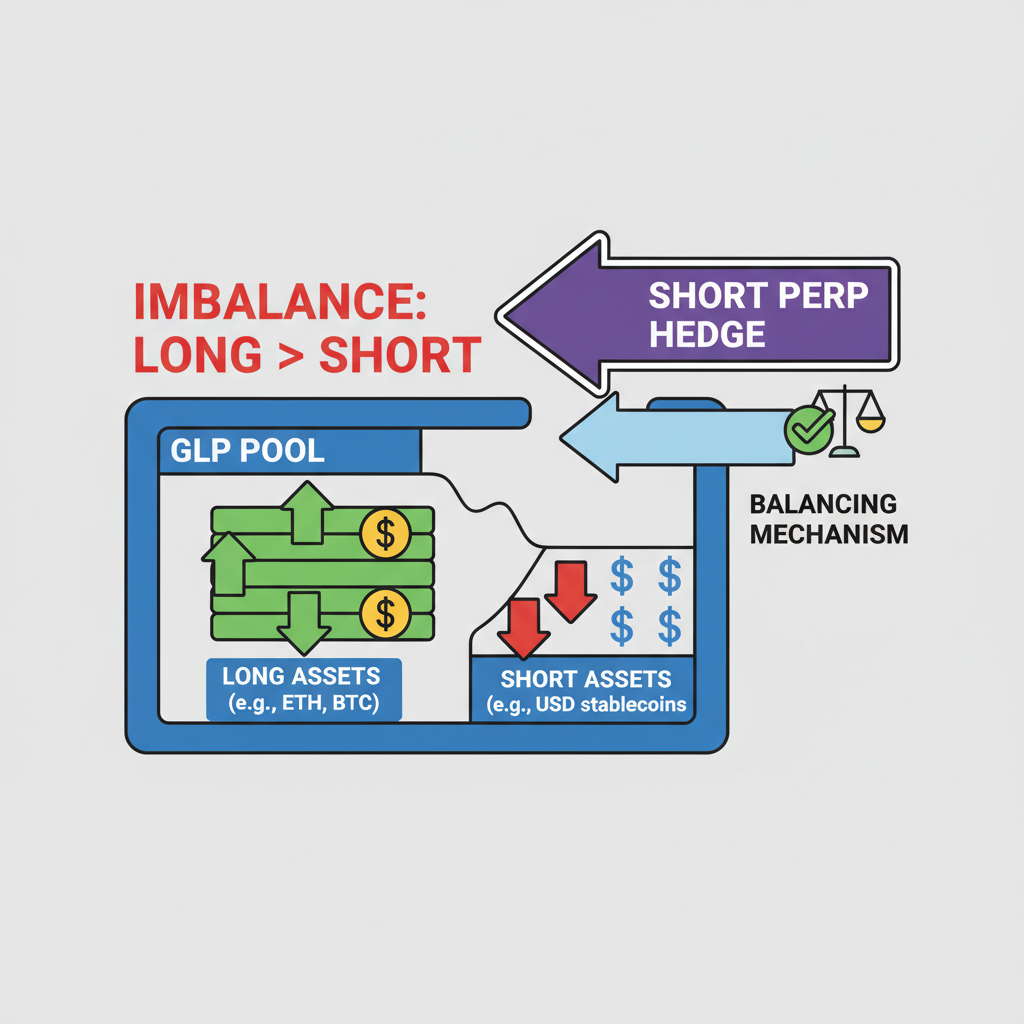
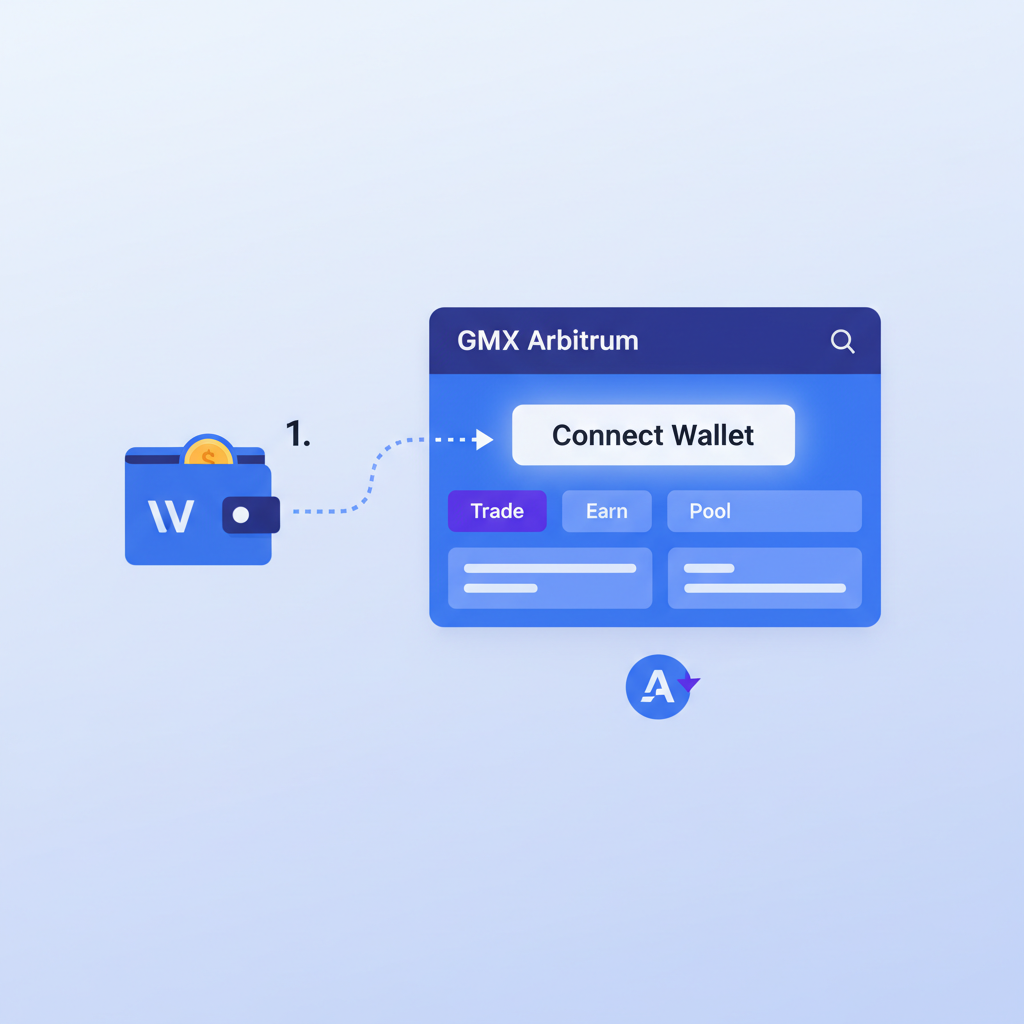
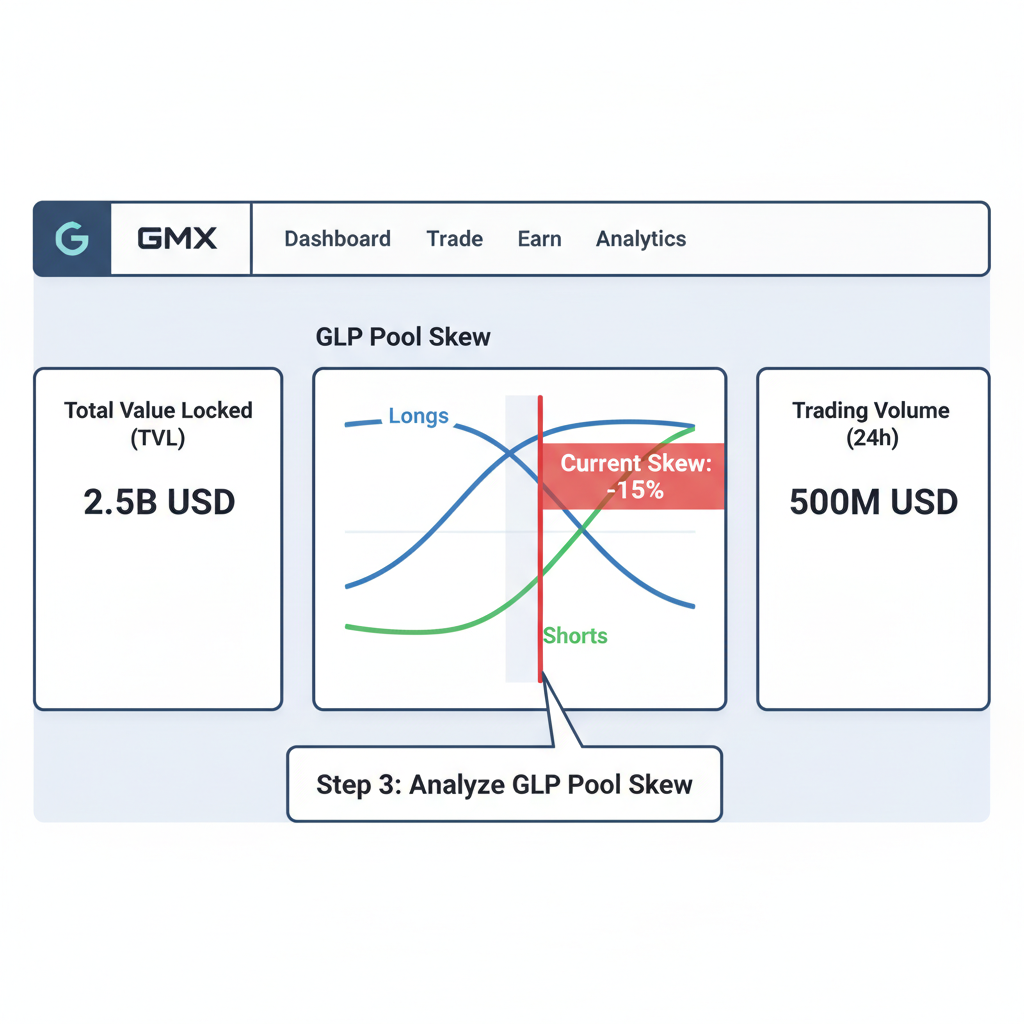
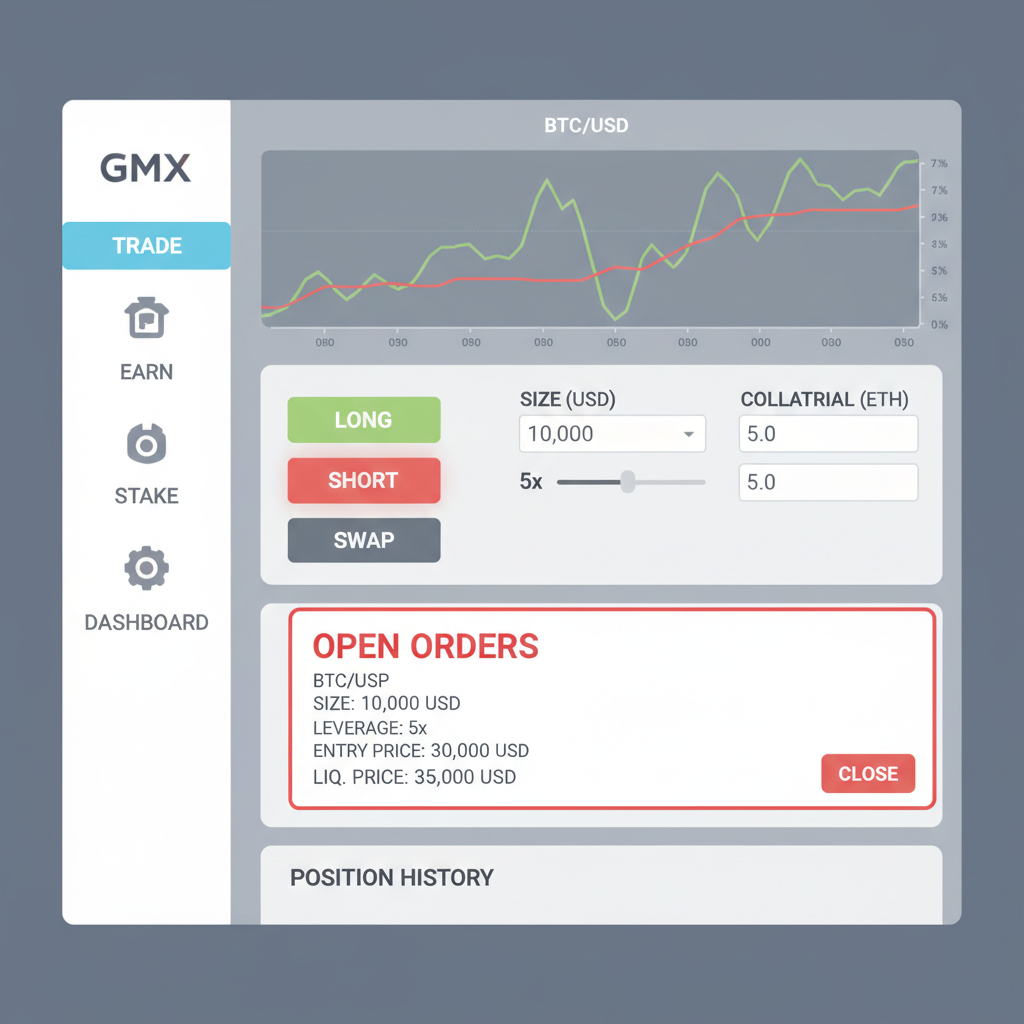
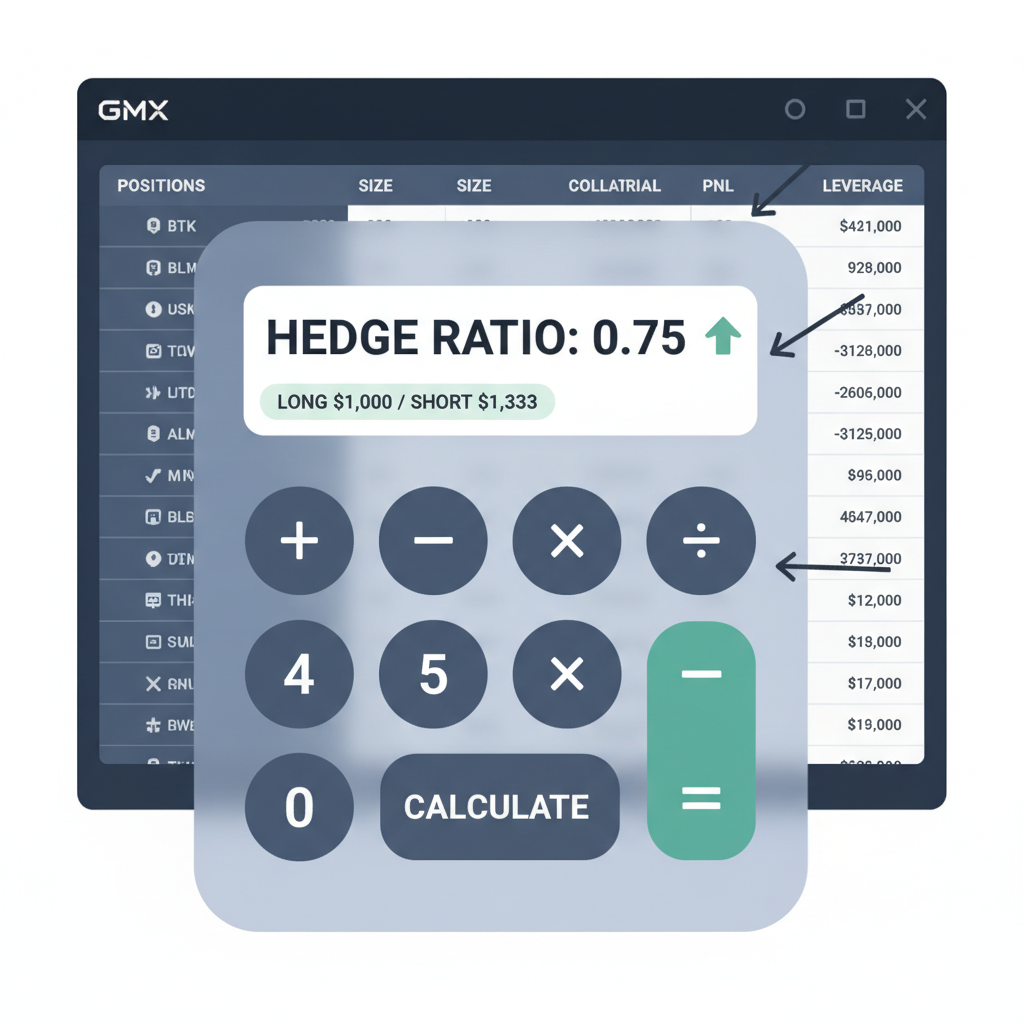
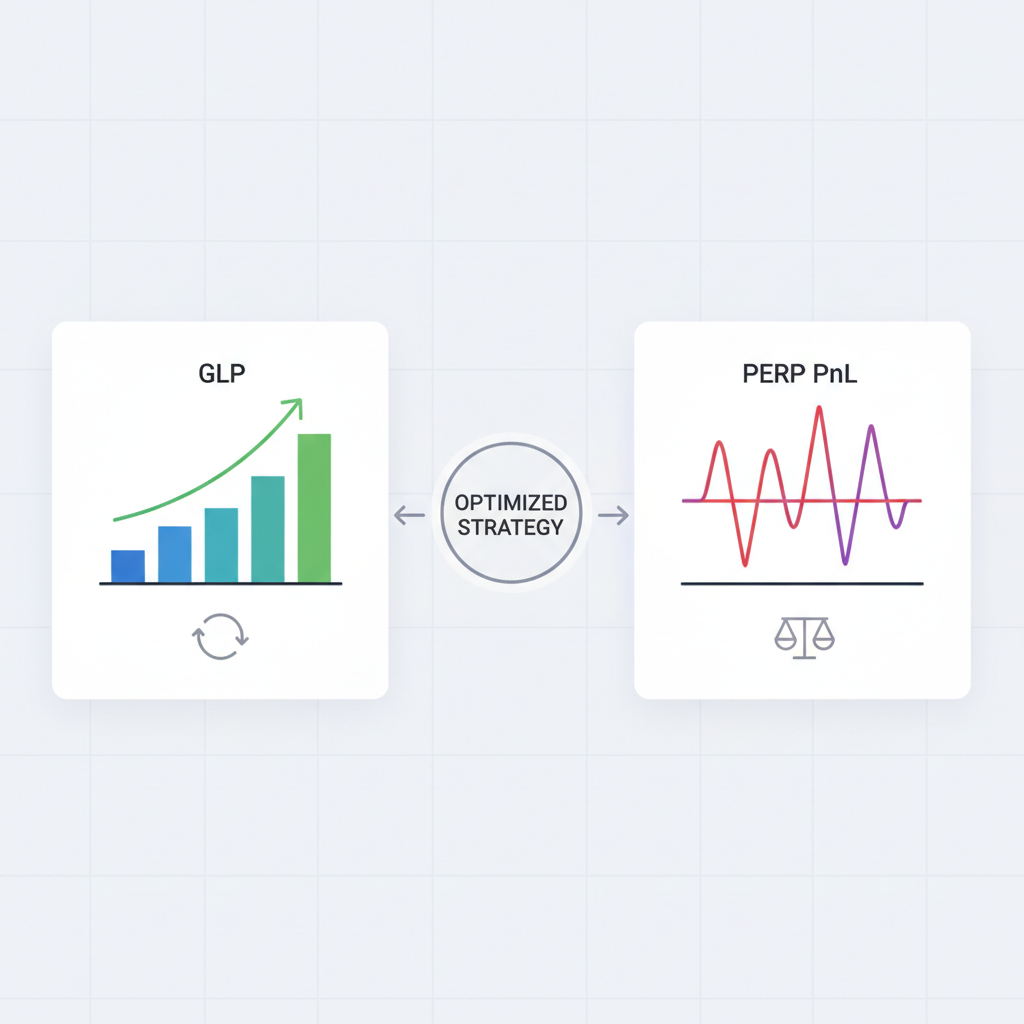
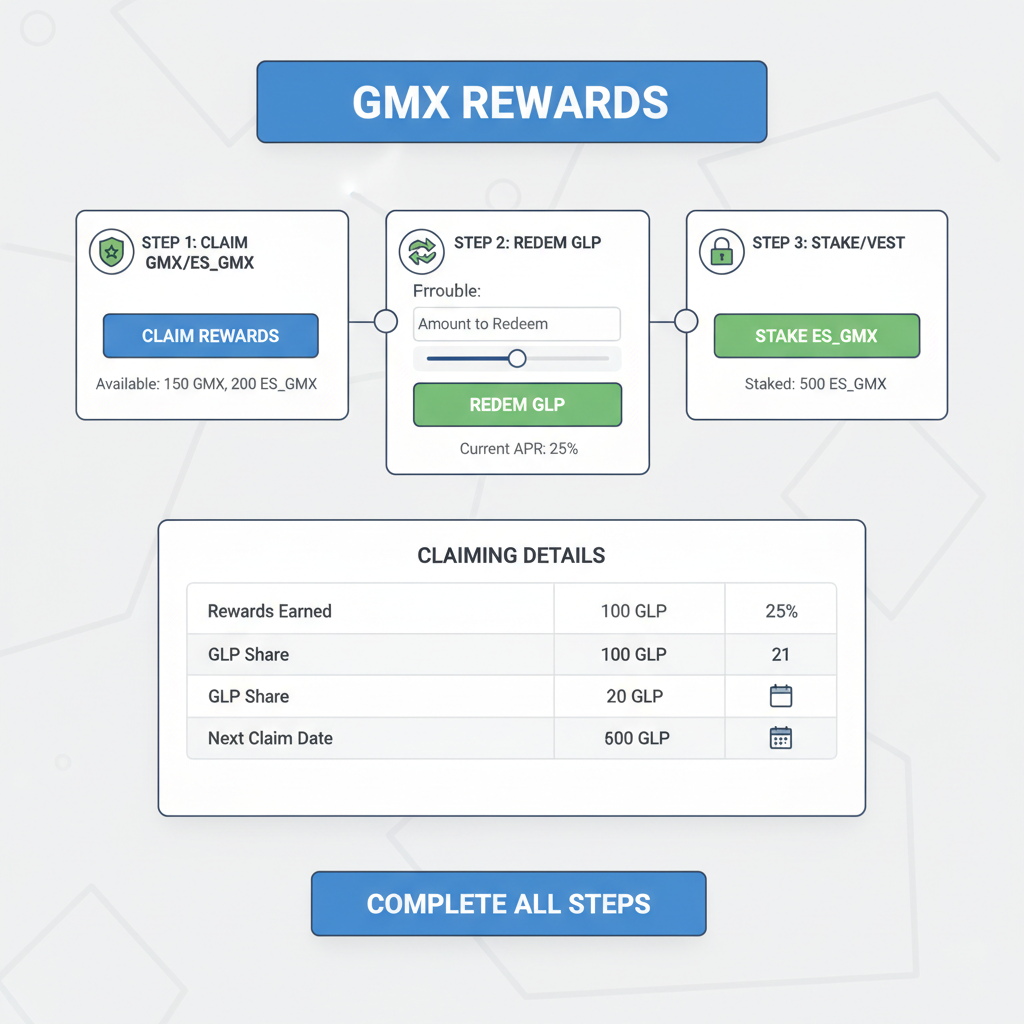
Combine this with high-volume BTC, ETH, and ARB focus from Strategy 3 for layered protection. It's not foolproof, imbalances persist post-ARB incentives, but it tilts risk-adjusted returns firmly positive for Arbitrum liquidity mining.
Strategy 5: Dynamically Rebalance Using GMX Analytics Dashboard
The GMX analytics dashboard is your command center for 2026 yield optimization. Track real-time metrics like pool AUM, utilization rates, and long/short ratios across V2 GM pools. When a BTC pool hits 60% long skew, withdraw partial GLP and rotate to underweighted ETH or ARB pools. This active management captured outsized rewards during the TVL peak at $400 million, as early movers snagged migrating subsidies. Set alerts for incentive drops, now flowing as GMX tokens alongside native assets.
Opinion: Passive holding works in bull runs, but dynamic rebalancing separates consistent earners from the pack. With Ethereum Mainnet integration smoothing flows, execution costs have plummeted, making weekly tweaks viable even for mid-sized positions. Stake rebalanced GLP back into earn vaults for multipliers, and you're compounding at rates that beat most Arbitrum DeFi yields.
Risks and Long-Term Positioning in GMX Arbitrum V2
No strategy ignores downside. Pool imbalances remain, amplified by perp trader sentiment swings. Recent data shows lingering long biases in ARB pools despite incentives. Diversify across the top three assets, cap exposure at 20% per pool, and maintain 10-20% in dry powder for opportunistic mints. Monitor GMX at $5.96; dips like today's 5.85% pullback signal entry for stakers eyeing protocol rewards.
For deeper dives, check our step-by-step guide on maximizing yields with GMX liquidity pools on Arbitrum. Referral code 'milk' stacks neatly here, trimming costs on rotations. As Arbitrum's DeFi hub evolves, GMX V2 rewards those who blend these tactics: fees, hedges, and data-driven moves yield sustainable edges in a crowded field.

No comments yet. Be the first to share your thoughts!