Get Arbitrum Orbit Chains 2026 Right
Before you spin up an Arbitrum Orbit chain, you need to decide between Nitro and Stylus. This choice determines your entire development stack. Nitro uses EVM-compatible Solidity, which is the standard for Ethereum. Stylus lets you write in Rust, C, or C++, offering higher performance but requiring a different skill set. Your decision here dictates your hiring needs and technical roadmap.
You also need to set up your development environment. For Nitro, you will use the standard Arbitrum tooling. For Stylus, you must install the Stylus SDK and configure your Rust toolchain. This step is critical because the tooling is distinct from standard Ethereum development environments.
Security audits are non-negotiable. Since Orbit chains are sovereign, you are responsible for your own security model. You must audit your smart contracts and your sequencer setup. Do not skip this step. A single vulnerability can lead to a total loss of funds. Use official Arbitrum documentation as your baseline for security checks.
Finally, plan your tokenomics and governance. Orbit chains allow you to customize these aspects. Decide early whether you want a native token or if you will bridge from Ethereum. This decision impacts your liquidity strategy and user experience. Get these prerequisites right before you write a single line of code.
Build your Arbitrum Orbit chain
Deploying a custom chain on Arbitrum Orbit lets you run a sovereign instance of the Nitro stack. You control the parameters, the sequencer, and the governance model. This guide walks you through the standard deployment workflow using the official Arbitrum Nitro codebase.
The process starts with environment setup and moves through node configuration, sequencer deployment, and bridge verification. Each step builds on the previous one, ensuring your chain integrates correctly with the Arbitrum One mainnet.
1. Clone and configure the Nitro repo
Start by cloning the official Arbitrum Nitro repository. This repo contains the core execution and settlement logic for Orbit chains. You will need to configure the chain_config.json file to define your chain’s ID, gas limits, and precompiles. This file acts as the blueprint for your chain’s behavior.
Run git clone on the Nitro source code. Ensure you have Go and Docker installed, as these are required to build the node binaries. Verify the build succeeds locally before proceeding to deployment.
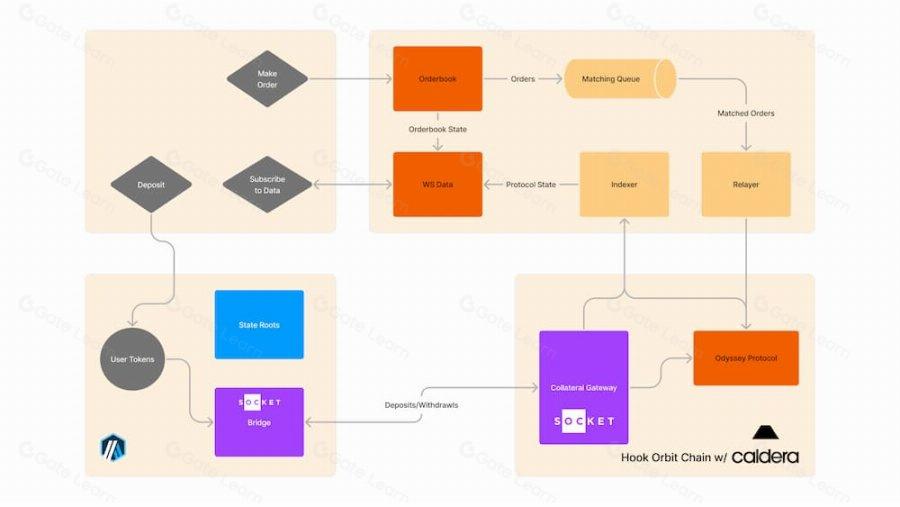
Configure your sequencer to process transactions. The sequencer is the heart of your Orbit chain, determining transaction order. Set the sequencer.enable flag to true in your node config. Connect it to your chosen L1 settlement layer, typically Arbitrum One or Ethereum.
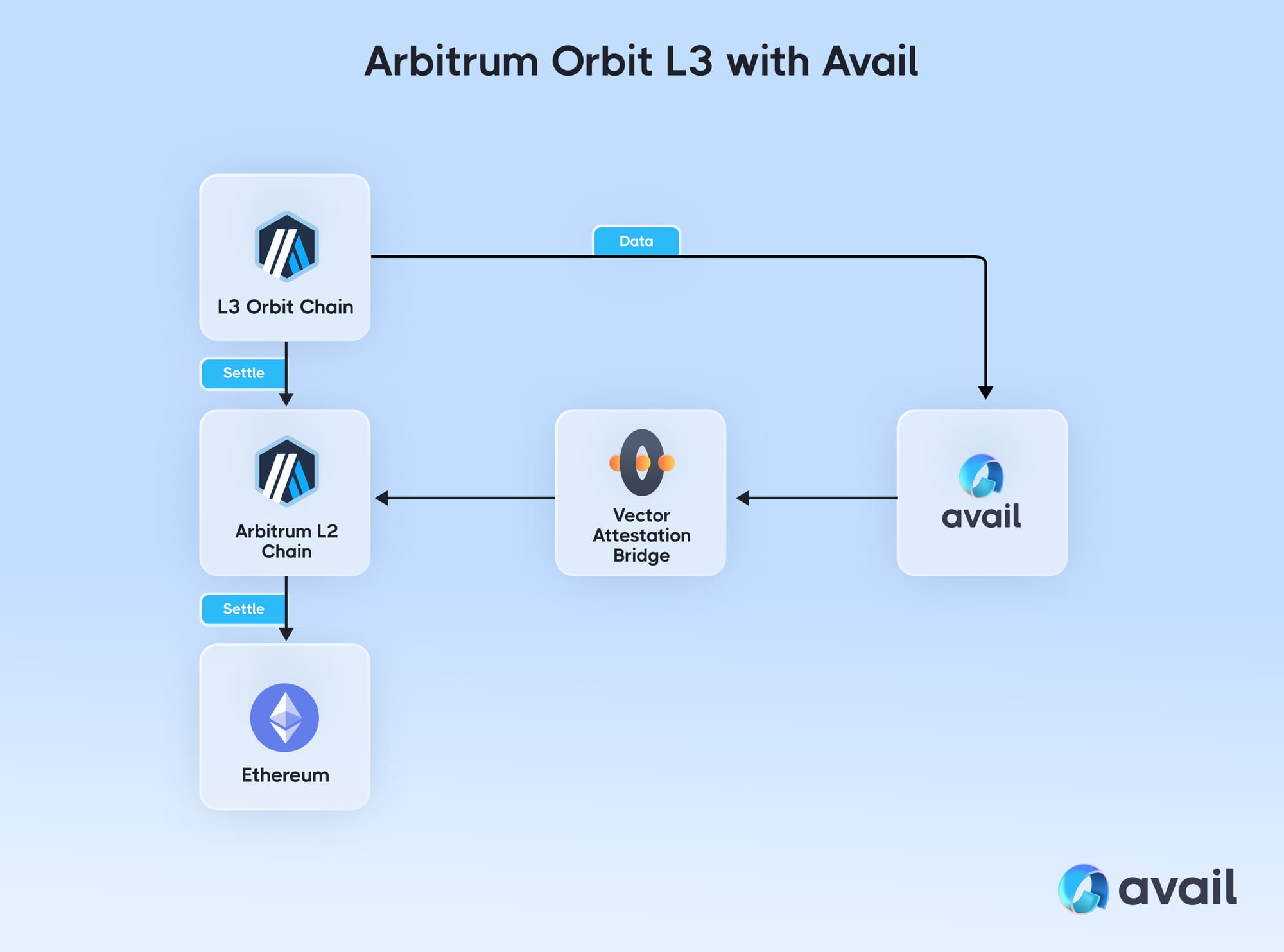
Bridge contracts allow assets to move between your Orbit chain and the parent chain. Deploy the Outbox and Inbox contracts on your L1. Record the contract addresses; your Orbit chain nodes need these to verify state roots and process withdrawals.
Start your Orbit chain nodes using the Nitro binary. Pass the bridge contract addresses and your chain configuration file. Monitor the logs to ensure the node syncs with the L1 and begins processing transactions. This step finalizes the chain’s connection to the broader Arbitrum ecosystem.
2. Verify interop and testnet integration
Once the chain is running, test the bridge functionality. Send a small amount of ETH from Arbitrum One to your Orbit chain via the bridge. Confirm the balance updates on the Orbit chain. Then, initiate a withdrawal back to Arbitrum One. This round-trip test ensures your sequencer and bridge contracts are communicating correctly.
Common mistakes when launching on Arbitrum
Building on Arbitrum offers speed and lower costs, but the architecture introduces specific pitfalls that can break your application or drain your budget. These errors typically stem from confusing the base chain with Orbit chains or ignoring the unique mechanics of Stylus.
Misunderstanding chain sovereignty
A frequent error is assuming all Arbitrum chains operate identically. Orbit chains are sovereign; they have their own sequencers and data availability layers. If you treat an Orbit chain like a standard L2, you may overlook that it does not share the same interop standards or security model as the base Arbitrum One network.
Ignoring Stylus compatibility
Stylus allows you to write smart contracts in Rust or C++, but not every tool in the Ethereum ecosystem supports these languages. Developers often port Solidity code directly without adapting for Stylus constraints, leading to compilation failures or unexpected gas behaviors. Check the official Nitro documentation to ensure your tooling is compatible before writing code.
Underestimating sequencer dependencies
Because Orbit chains rely on their own sequencers, downtime or congestion on the sequencer directly impacts user experience. Unlike base Arbitrum, which benefits from a larger, more distributed infrastructure, a single Orbit chain’s sequencer can become a bottleneck. Plan for this by designing your frontend to handle latency gracefully.
Forgetting bridge latency
Assets moving between Arbitrum One and an Orbit chain require bridging. Developers often forget to account for the withdrawal periods or the need for users to perform manual actions on the destination chain. Always test the full deposit-and-withdraw flow with real assets to verify the user journey.
Overlooking data availability costs
Orbit chains can choose their own data availability (DA) layers. While this offers flexibility, it also means you are responsible for DA costs. If you switch DA providers or experience a spike in transaction volume, your operational costs can rise unexpectedly. Budget for DA separately from gas fees.
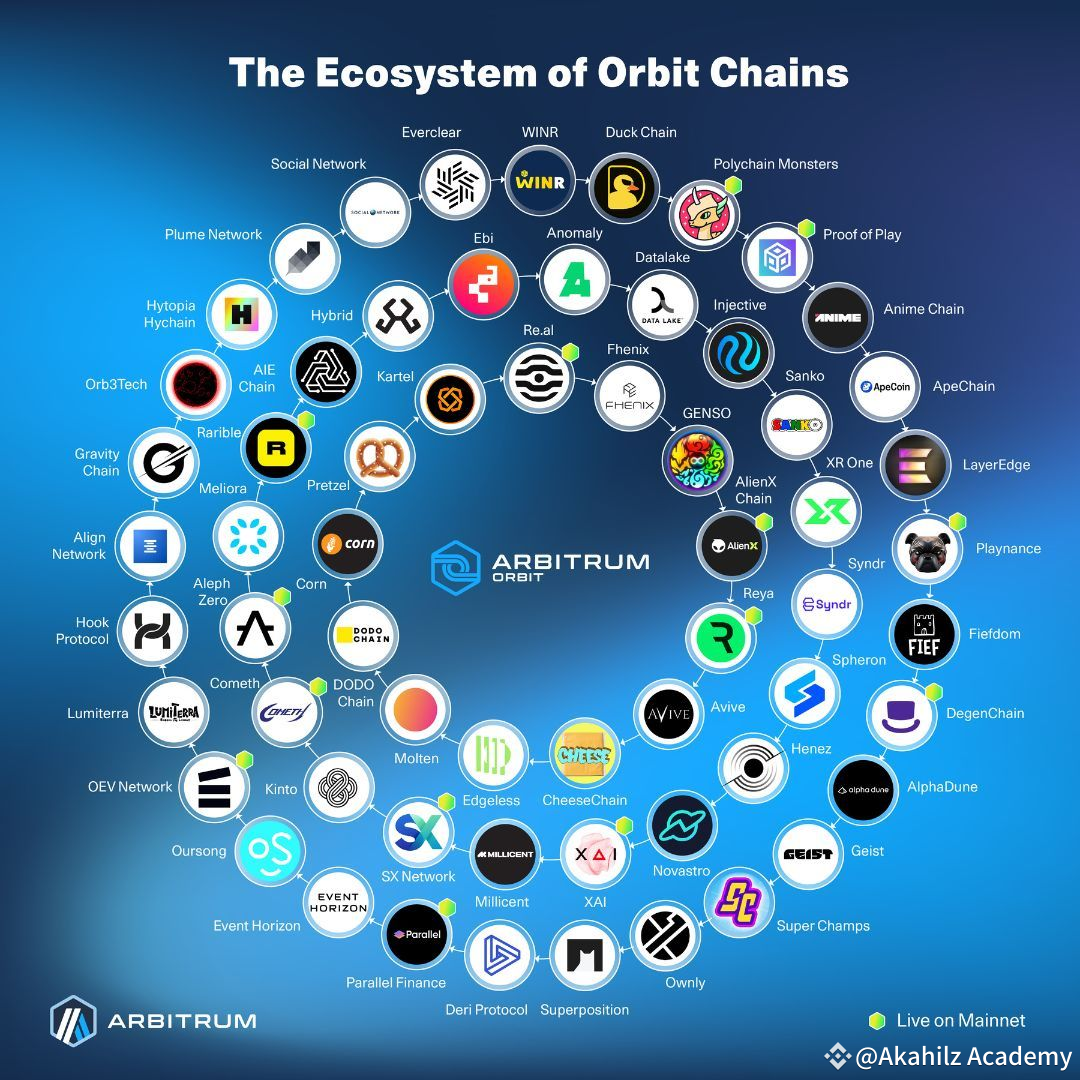
Arbitrum orbit chains 2026: what to check next
Before launching or investing, clarify how Orbit chains function and what they mean for the ecosystem. These answers address the most common practical objections.
No comments yet. Be the first to share your thoughts!