
Arbitrum’s rapid ascent as a premier Layer 2 for Ethereum has brought sophisticated opportunities for DeFi users seeking to maximize returns from liquidity pools. With the proliferation of advanced protocols and evolving incentive structures, yield optimization on Arbitrum now requires more than simply depositing into a pool and waiting. Let’s break down the most effective strategies that can elevate your yield farming game while managing risk in 2025’s dynamic DeFi landscape.
Leverage Concentrated Liquidity Pools for Higher Capital Efficiency
Traditional liquidity provision often spreads assets across a broad price range, resulting in diluted returns. On Arbitrum, protocols like Uniswap v3 and Ramses have introduced concentrated liquidity pools that allow providers to allocate capital within custom price bands. By focusing liquidity where trading activity is highest, you can significantly boost fee income without increasing exposure to impermanent loss.
This approach demands active management: if the market price moves outside your chosen range, your funds may sit idle or become exposed to one asset. However, with tools emerging on Ramses and Uniswap v3 for automated rebalancing, sophisticated users can maintain optimal positioning with minimal manual intervention.
Utilize Auto-Compounding Vaults to Maximize Returns
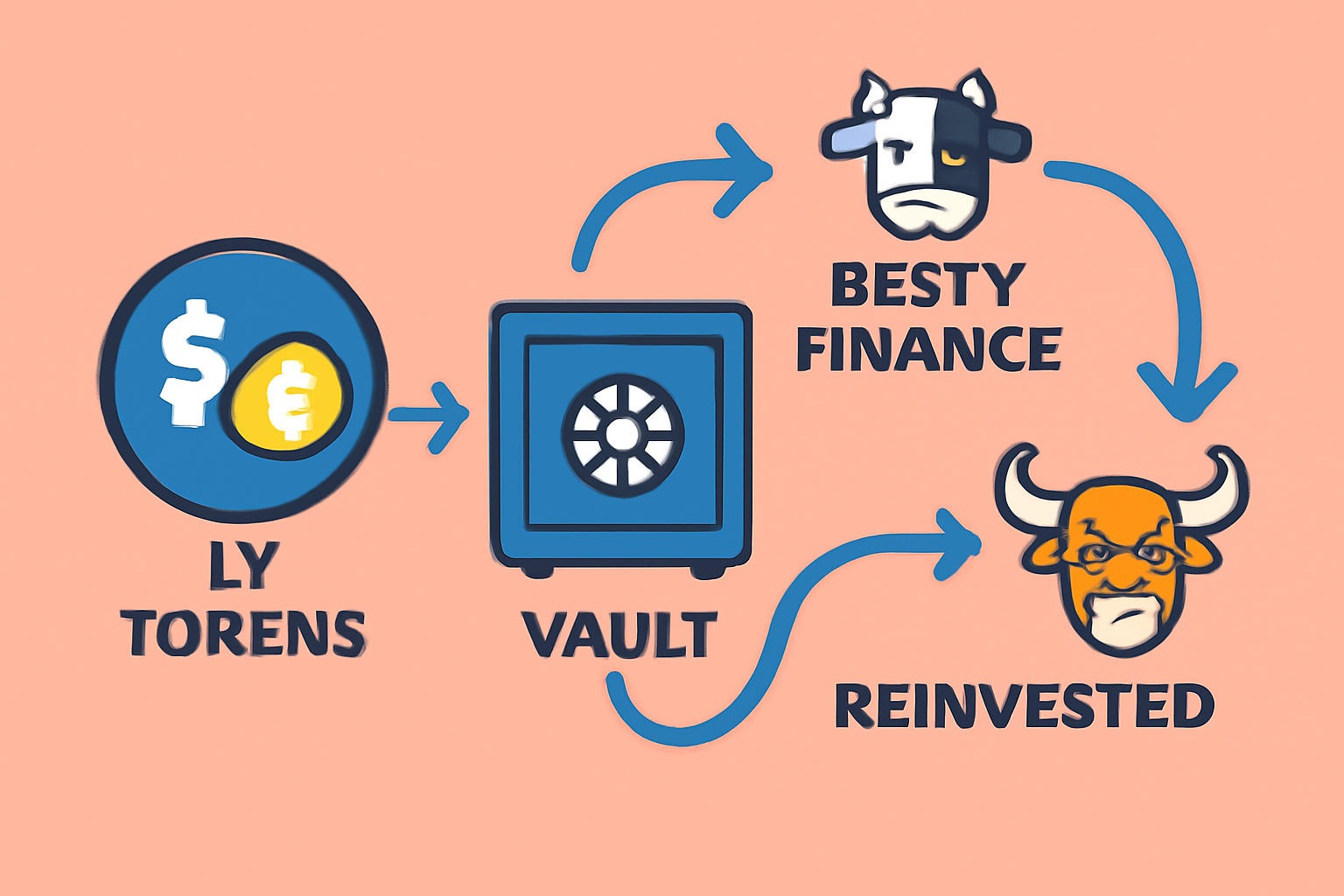
The compounding effect is a cornerstone of wealth accumulation in DeFi. Platforms such as Beefy Finance and Yield Yak offer auto-compounding vaults on Arbitrum that automatically harvest rewards from underlying pools (like GMX or Curve), convert them back into LP tokens, and reinvest them, sometimes multiple times per day. This automation not only saves on gas fees but also ensures you’re always maximizing APY by putting idle rewards back to work instantly.
A well-chosen auto-compounder can outperform manual strategies by a considerable margin over time due to the frequency of compounding and protocol integrations across the Arbitrum ecosystem.
Comparison of Top Auto-Compounding Vaults on Arbitrum (2025)
| Vault | APY (Annual % Yield) | Supported Assets | Fees | Unique Features |
|---|---|---|---|---|
| Beefy Finance 🐮 | 6% - 28% | ETH, USDC, USDT, ARB, GMX, Curve LPs | 0.1% withdrawal, 4.5% performance | Multi-chain, frequent auto-compounding, robust security audits |
| Yield Yak 🦙 | 5% - 25% | ETH, USDC, ARB, Curve & Balancer LPs | 0.05% withdrawal, 3% performance | Simple UI, gas-efficient compounding, strategy transparency |
| Mellow Protocol 🌿 | 7% - 30% | ETH, USDC, Uniswap v3 & Ramses LPs | Variable (avg. 0.2% withdrawal, 5% performance) | Active liquidity management, concentrated liquidity strategies |
| GND Protocol 🚀 | 10% - 40% (leveraged) | ETH, USDC, ARB, GMX LPs | 0.2% withdrawal, 8% performance (on leveraged positions) | Leveraged yield farming, risk management tools |
| Autopools by Trader Joe 🧑🌾 | 7% - 22% (est.) | ETH, USDC, ARB, JOE LPs | 0.1% withdrawal, 4% performance | Automated liquidity management, concentrated liquidity, upcoming auto-rebalancing |
Participate in Protocol Incentive Programs for Yield Boosts
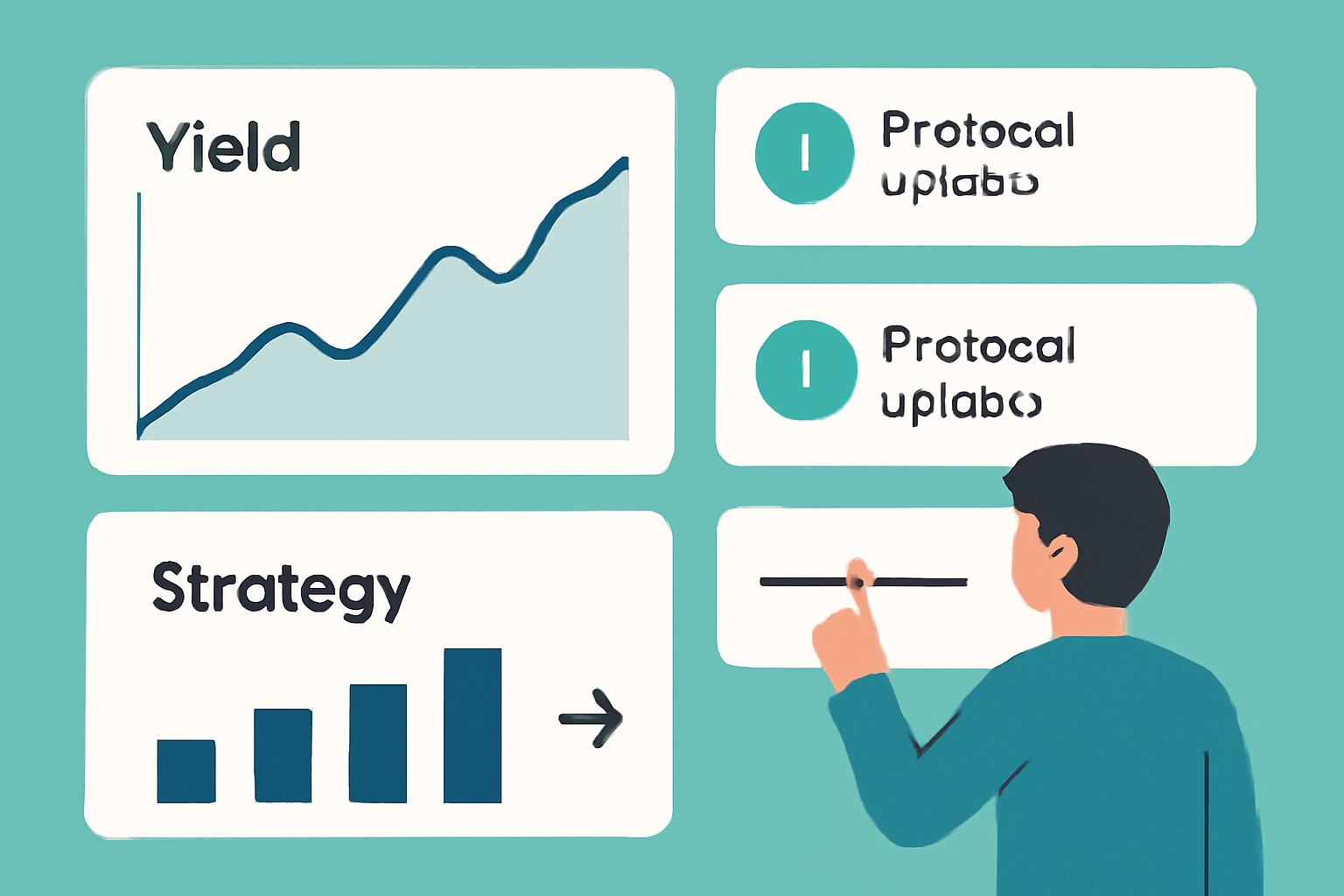
Protocol incentives remain one of the most lucrative sources of yield on Arbitrum. Leading platforms like GMX, which offers decentralized perpetual trading, and Radiant Capital with its cross-chain lending markets, frequently run incentive programs distributing native tokens or bonus rewards for LPs. These programs are designed both to bootstrap liquidity and reward early adopters, often pushing effective yields far above baseline trading fees or interest rates.
The key here is timing: incentives are typically front-loaded and may diminish as TVL increases or emissions schedules taper off. Staying engaged with official announcements and community channels ensures you don’t miss out on these high-yield windows.
Mitigate Impermanent Loss with Stablecoin or Correlated Asset Pools
No discussion of advanced yield farming is complete without addressing impermanent loss (IL): the hidden cost many overlook until it eats into their profits. On Arbitrum, protocols like Curve Finance and Balancer specialize in stablecoin pools or correlated asset pairs (e. g. , ETH/wstETH), dramatically reducing IL risk while still offering competitive yields through trading fees and protocol incentives.
This makes such pools ideal for conservative capital or as a base layer in more complex strategies where principal protection matters just as much as raw returns.
Deploy Cross-Protocol Yield Optimization by Stacking Rewards
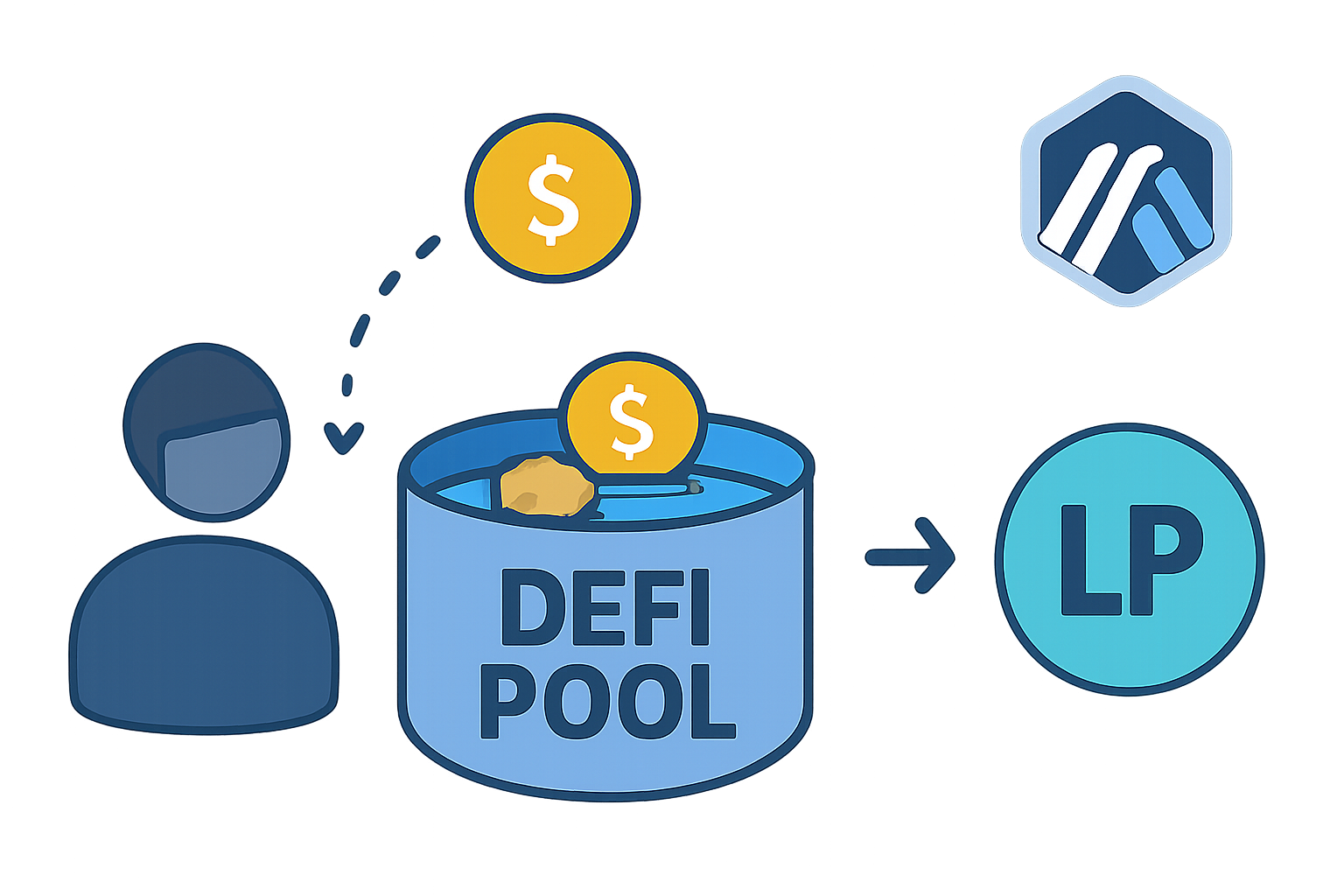
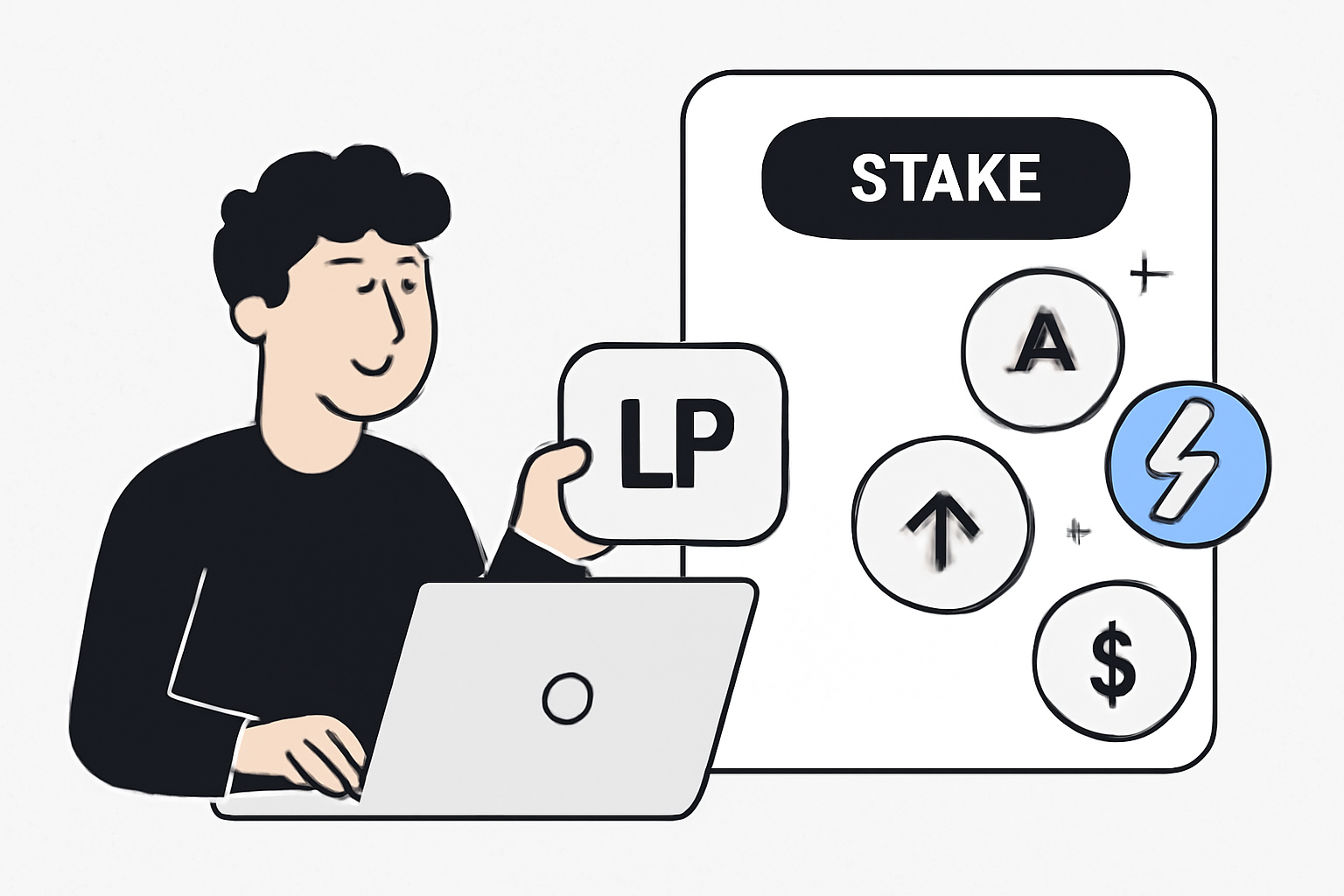
The composability of DeFi unlocks powerful possibilities for stacking rewards across multiple protocols, a process sometimes called “liquidity layering. ” For example, after providing liquidity on Uniswap v3 or Curve, you can stake your LP tokens in an external platform like Beefy or Radiant to earn additional incentives (on top of trading fees). Some users even loop this process by restaking derivative tokens yet again if supported by aggregators.
This cross-protocol approach requires diligent tracking but can result in exponential APY boosts when executed thoughtfully. Always assess smart contract risks at each step, layering yield also means layering potential vulnerabilities.
To illustrate, consider staking your LP tokens from a concentrated liquidity pool on Uniswap v3 into Beefy’s auto-compounding vaults. Not only do you earn swap fees and protocol incentives from Uniswap, but you also capture compounded rewards from Beefy. If Radiant Capital or GMX offers further staking options for your vault tokens, you can stack yet another layer of yield, effectively multiplying your potential returns through careful orchestration.
How to Stack Yields Across Protocols with LP Tokens on Arbitrum
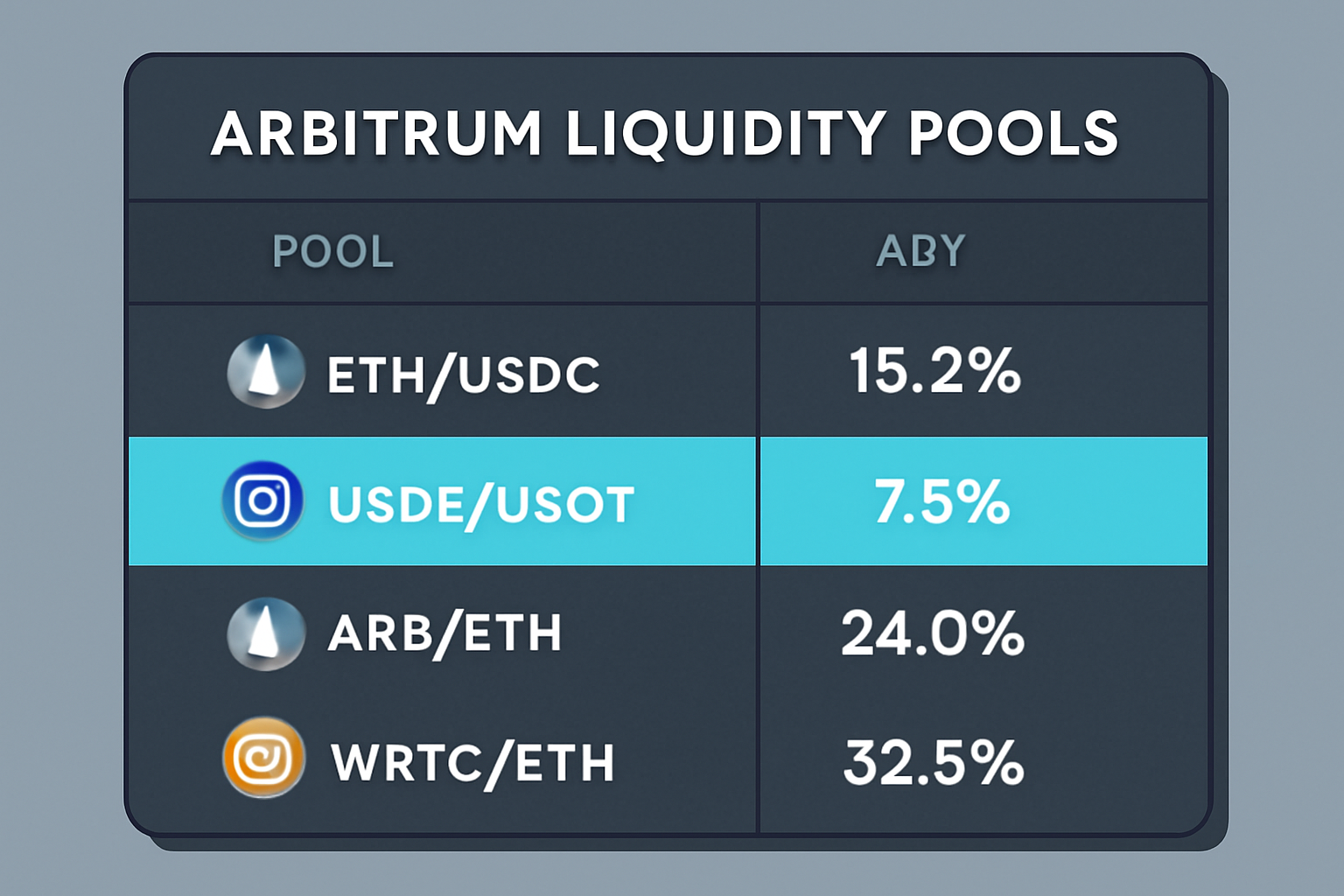
However, this strategy is not without its complexities. Each additional protocol introduces new smart contract dependencies and operational risks. Security audits, protocol reputation, and insurance availability should all factor into your decision-making process before deploying capital across multiple layers. The most sophisticated Arbitrum DeFi participants stay ahead by maintaining a dynamic risk assessment as they optimize for yield.
Key Considerations for Advanced Yield Farming on Arbitrum
Advanced yield maximization is as much about risk management as it is about chasing returns. Here are essential considerations to keep your capital resilient while pursuing high yields:
- Monitor Protocol Updates: Incentive programs and APYs can change rapidly, subscribe to official channels for timely alerts.
- Diversify Strategically: Don’t overexpose to a single pool or protocol; spread risk across stablecoin pools (Curve), blue-chip protocols (GMX), and emerging platforms (Ramses).
- Evaluate Gas Costs: While Arbitrum offers low fees, frequent compounding or multi-layer strategies can still erode returns if not managed efficiently.
- Assess Smart Contract Security: Use protocols with robust audit histories and consider on-chain insurance where available.
The landscape of yield farming on Arbitrum is rapidly evolving. By leveraging concentrated liquidity pools for capital efficiency, utilizing auto-compounding vaults to maximize compounded returns, participating in protocol incentive programs for boosted yields, mitigating impermanent loss through stablecoin/correlated pools, and deploying cross-protocol optimization strategies, sophisticated users can access some of the highest risk-adjusted yields available in DeFi today.
The golden rule remains: understand the why before the buy. Mastering these advanced strategies requires diligence, but those willing to put in the research stand to benefit most from Arbitrum’s innovative DeFi ecosystem. Stay adaptive, monitor market conditions closely, and always prioritize security alongside performance as you pursue yield dominance.




No comments yet. Be the first to share your thoughts!