Yield farming on Arbitrum has evolved rapidly, and GMX liquidity pools are now a cornerstone for users seeking to maximize DeFi yields on Arbitrum. With GMX currently priced at $15.07 (up and $0.35 in the last 24 hours), understanding how to effectively use GMX’s innovative liquidity provision options is essential for any serious DeFi participant. This step-by-step guide breaks down the mechanics, risk considerations, and strategies for optimizing your returns with Arbitrum GMX liquidity pools.
Understanding Arbitrum GMX Liquidity Pools: Core Structures
GMX stands out as a decentralized exchange protocol that pioneered two primary ways to provide liquidity on Arbitrum:
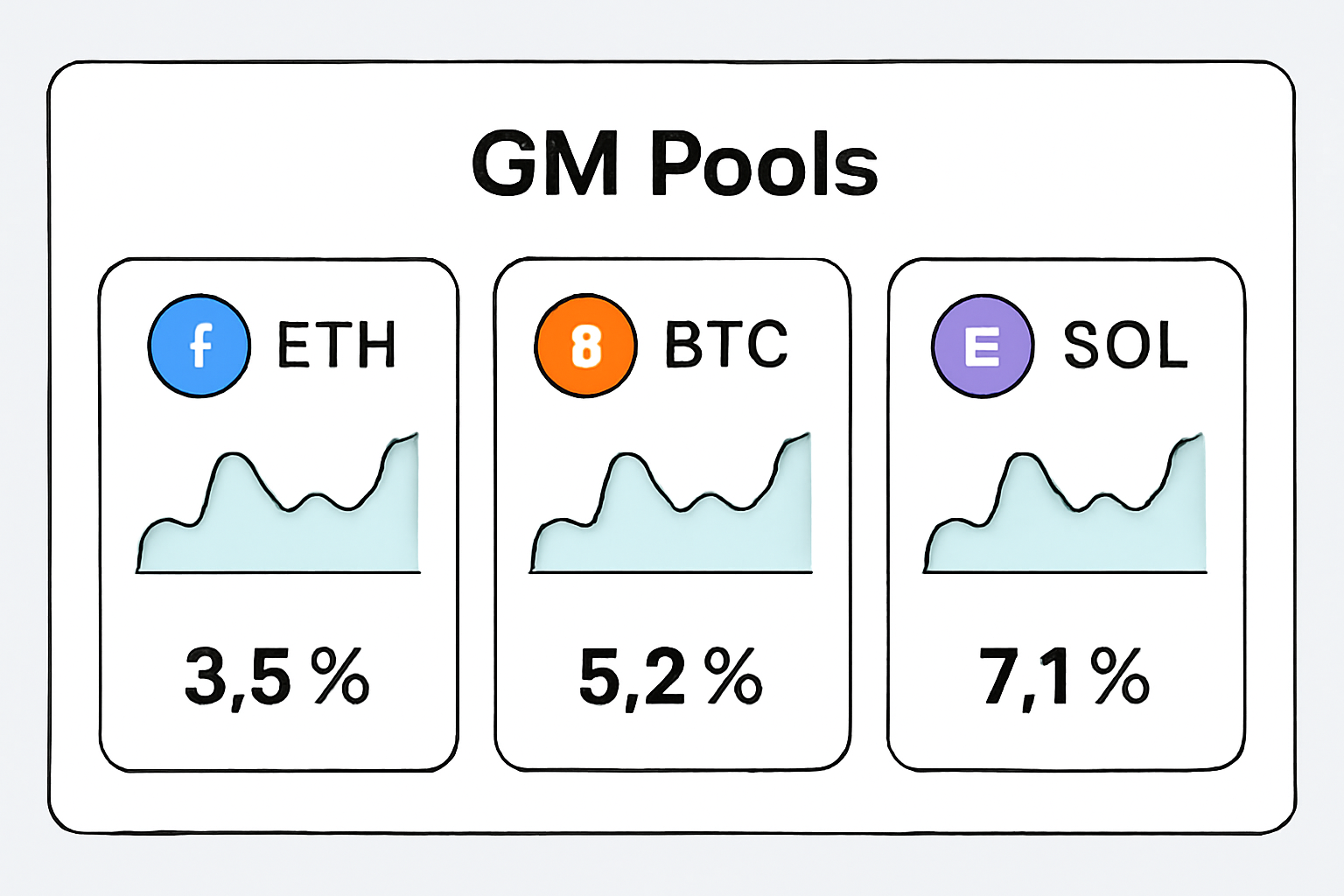
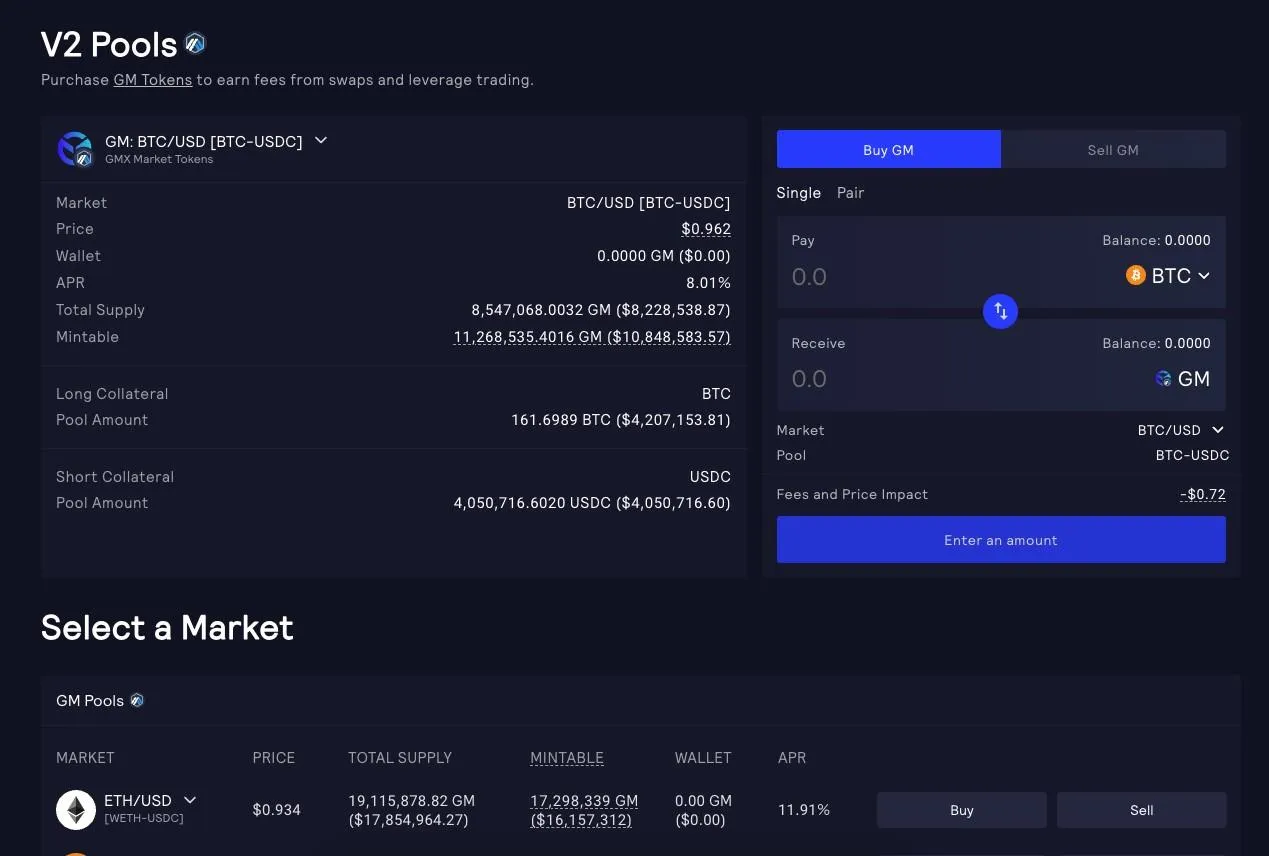
- GM Pools: Single-asset pools where you deposit a specific token (such as ETH, BTC, or SOL) and receive corresponding GM tokens. These pools track their own index price feeds and allow you to earn a share of trading fees from that asset’s market.
- GLV Vaults: Diversified vaults that allocate funds across several GM Pools. By minting GLV tokens, you gain broad exposure to multiple markets, spreading risk and capturing trading fees from various sources.
This distinction is critical: if you want targeted exposure and are confident in an individual token’s prospects, GM Pools offer concentrated yield potential. If you prefer risk mitigation through diversification, GLV Vaults are designed for you. For more technical details on these mechanisms, see the official deep dive at Arbitrum Blog.
Step-by-Step: Providing Liquidity to GM Pools on Arbitrum
How to Provide Liquidity to GM Pools on Arbitrum at the $15.07 GMX Price Point
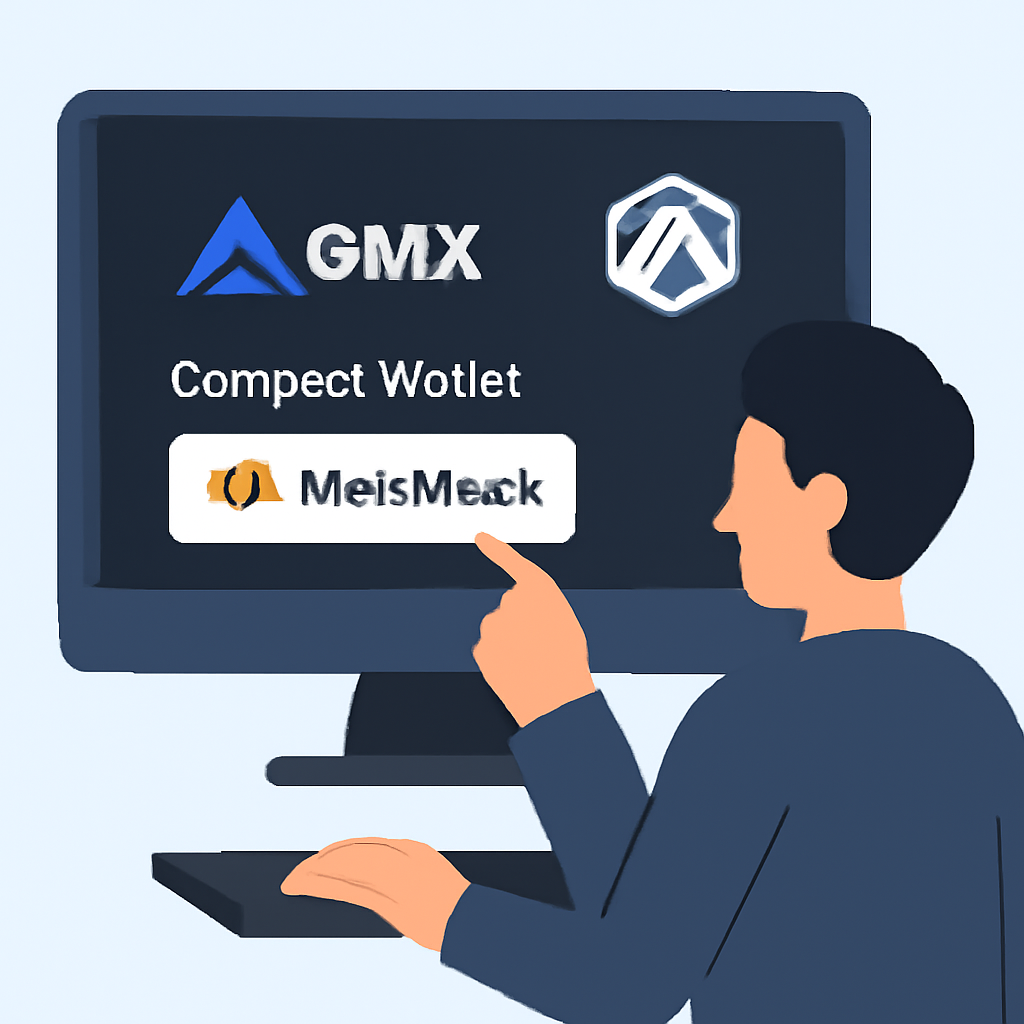
The process for entering a GM Pool is streamlined but requires careful attention to detail:
- Connect Your Wallet: Go to the official GMX platform and ensure your wallet is connected via the Arbitrum network.
- Select Your Asset Market: Choose which underlying asset (e. g. , ETH or BTC) aligns with your portfolio strategy.
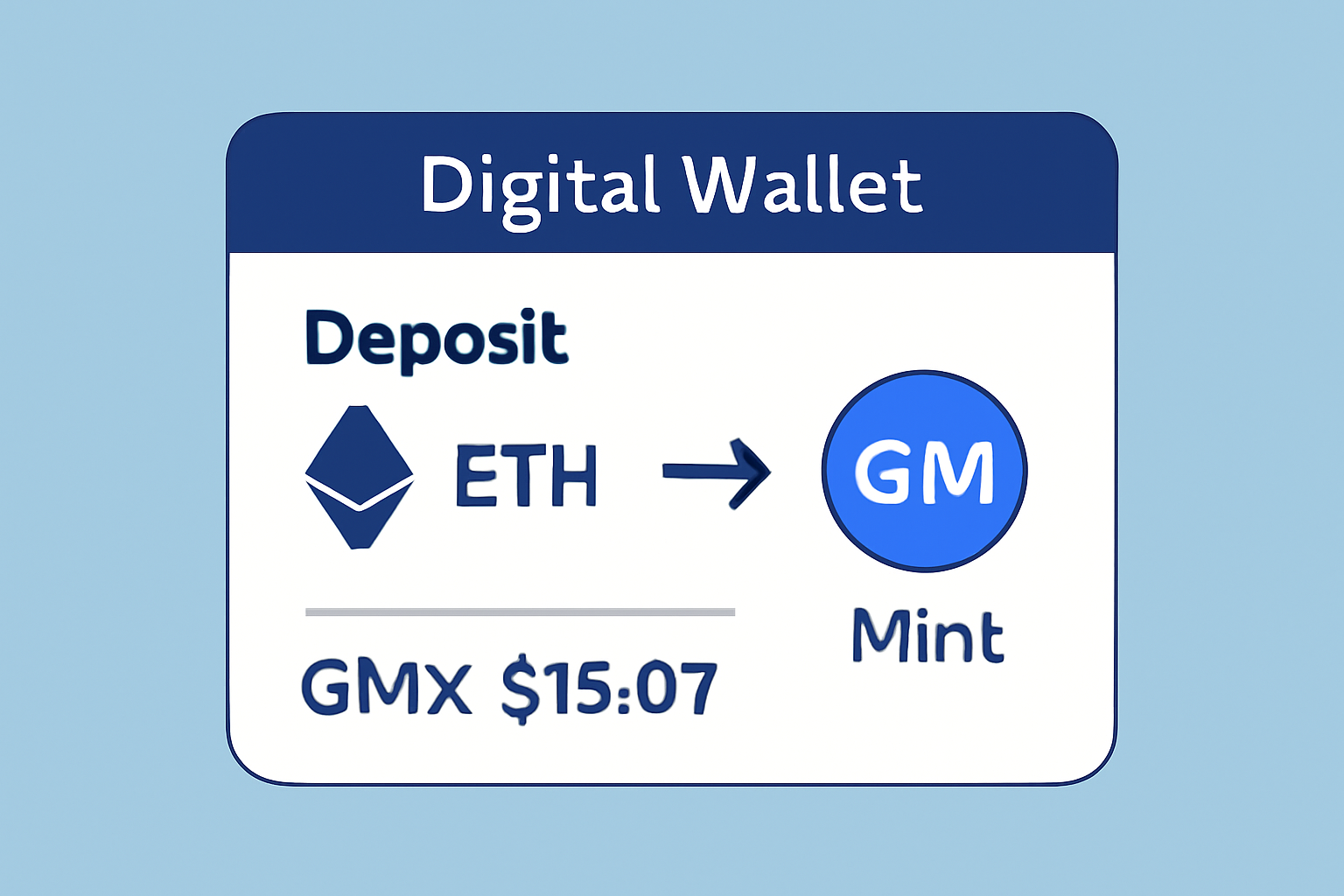
- Deposit and Mint: Deposit your chosen token into the pool. You’ll receive newly minted GM tokens representing your pro-rata share of the pool.
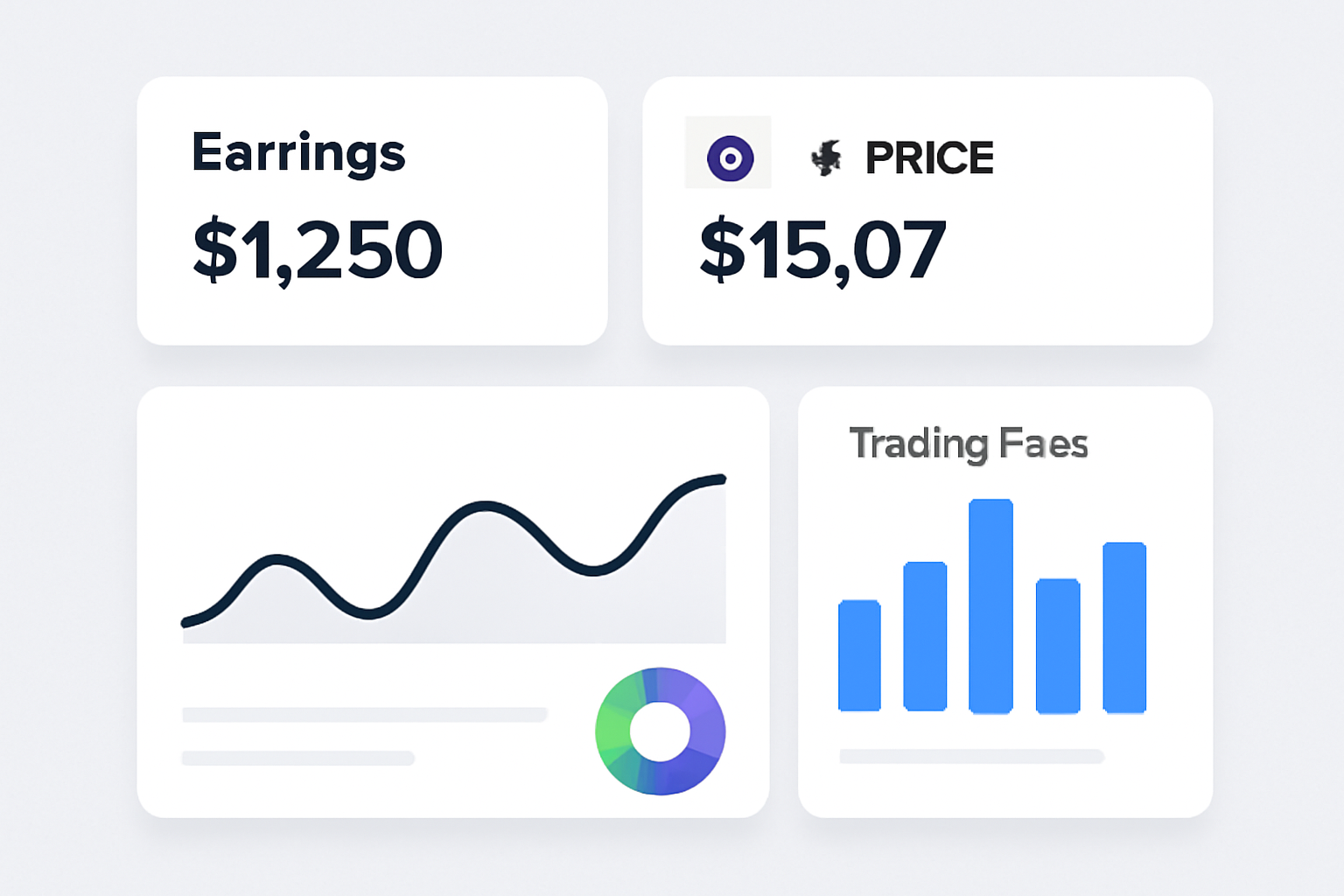
- Earn Trading Fees: As traders interact with perpetual markets, you accrue a portion of generated trading fees, these can be tracked in real time via the analytics dashboard.
This approach allows you to capture both steady fee income and potential upside from increased trading activity during volatile market periods.
Diversification with GLV Vaults: Reduce Risk, Optimize Returns
If single-asset volatility isn’t within your risk tolerance, GLV Vaults offer an elegant solution by spreading capital across multiple underlying markets. Here’s why this matters:
- Diversified Fee Streams: Instead of relying solely on one market’s activity or price action, GLV Vault LPs earn yield from all constituent pools within the vault.
- Smoother Yield Curve: By reducing exposure to individual asset shocks, overall returns tend to be more stable over time, ideal for investors seeking consistent passive income rather than speculative gains.
- Simplicity and Capital Efficiency: Minting a single GLV token grants broad exposure without manually rebalancing positions between multiple assets or pools.
The choice between these two structures should reflect both your investment thesis and personal risk appetite, a recurring theme in advanced DeFi guides focused on sustainable growth within the Arbitrum ecosystem.
The Role of Analytics and Rebalancing in Yield Maximization
No yield farming strategy is complete without robust performance monitoring. Regularly check your earnings through the built-in analytics dashboard provided by GMX. This tool enables you to track rewards distribution by pool type, APY trends based on current trading volumes, and even compare historical performance across different market conditions.
If certain assets become overweighted or underperform relative to others (for example if ETH volatility spikes while BTC remains stable), consider rebalancing between single-asset pools and diversified vaults accordingly. Proactive management is key, especially as new incentive programs or fee structures are introduced by protocols like GMX (see details here). Staying agile means higher long-term yields while minimizing unnecessary risk exposure.
To extract the most value from Arbitrum GMX liquidity pools, it’s crucial to combine disciplined monitoring with a willingness to adapt as market dynamics shift. With GMX’s current price at $15.07, every decision, whether to stay concentrated in a single asset or diversify via GLV Vaults, should be grounded in both quantitative data and your unique risk profile.
Advanced Strategies: Yield Optimization and Risk Management
Seasoned DeFi users often go beyond basic liquidity provision by leveraging optimization tools and protocols built atop GMX. Delta-neutral strategies, for instance, are gaining traction among those seeking to maximize DeFi yields on Arbitrum without taking on directional risk. Protocols like GMD Protocol aggregate yield sources and automate complex hedging, aiming for stable returns regardless of whether ETH, BTC, or SOL rally or retrace. For a more technical breakdown of these approaches, you can review the protocol architecture at arc.ai.
Top Yield Optimization Protocols & Strategies for GMX on Arbitrum
- GMD Protocol: Delta-neutral yield optimization built on GMX. GMD Protocol offers automated, delta-neutral vaults that utilize GMX liquidity pools to maximize yields while mitigating price exposure risk. Users can deposit assets to earn optimized returns, benefiting from GMD's active rebalancing and risk management strategies.
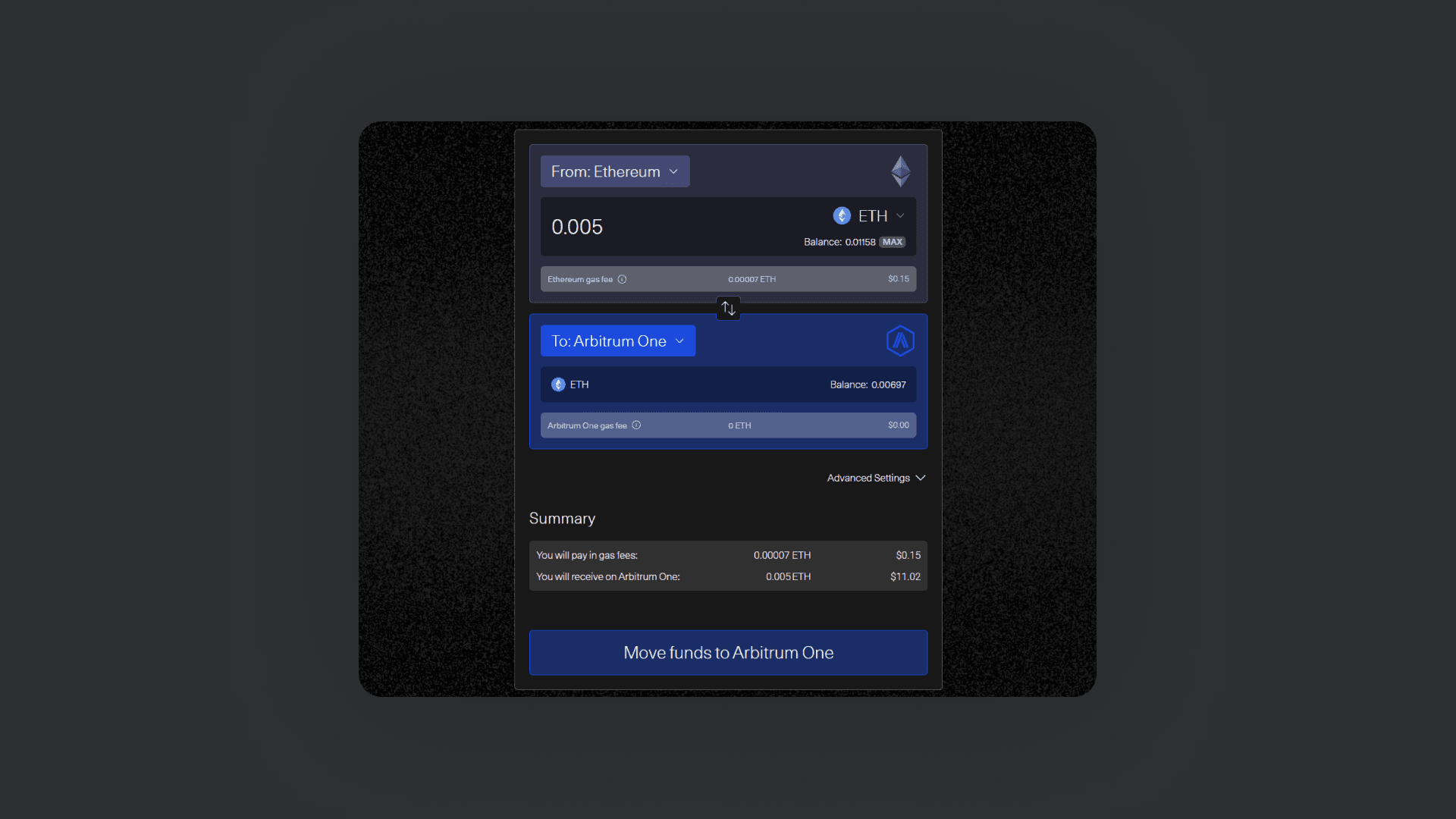
- PlutusDAO: GLP auto-compounding and governance boosting. PlutusDAO enables users to deposit their GMX or GLP tokens and receive auto-compounded yields, while also participating in protocol governance. This maximizes rewards by aggregating user deposits and leveraging Plutus' voting power for additional incentives.
- Jones DAO: Structured vaults for GLP and GMX. Jones DAO provides actively managed vaults that optimize GLP and GMX yields through automated strategies, including hedging and compounding. Users benefit from professional management and risk-adjusted returns.

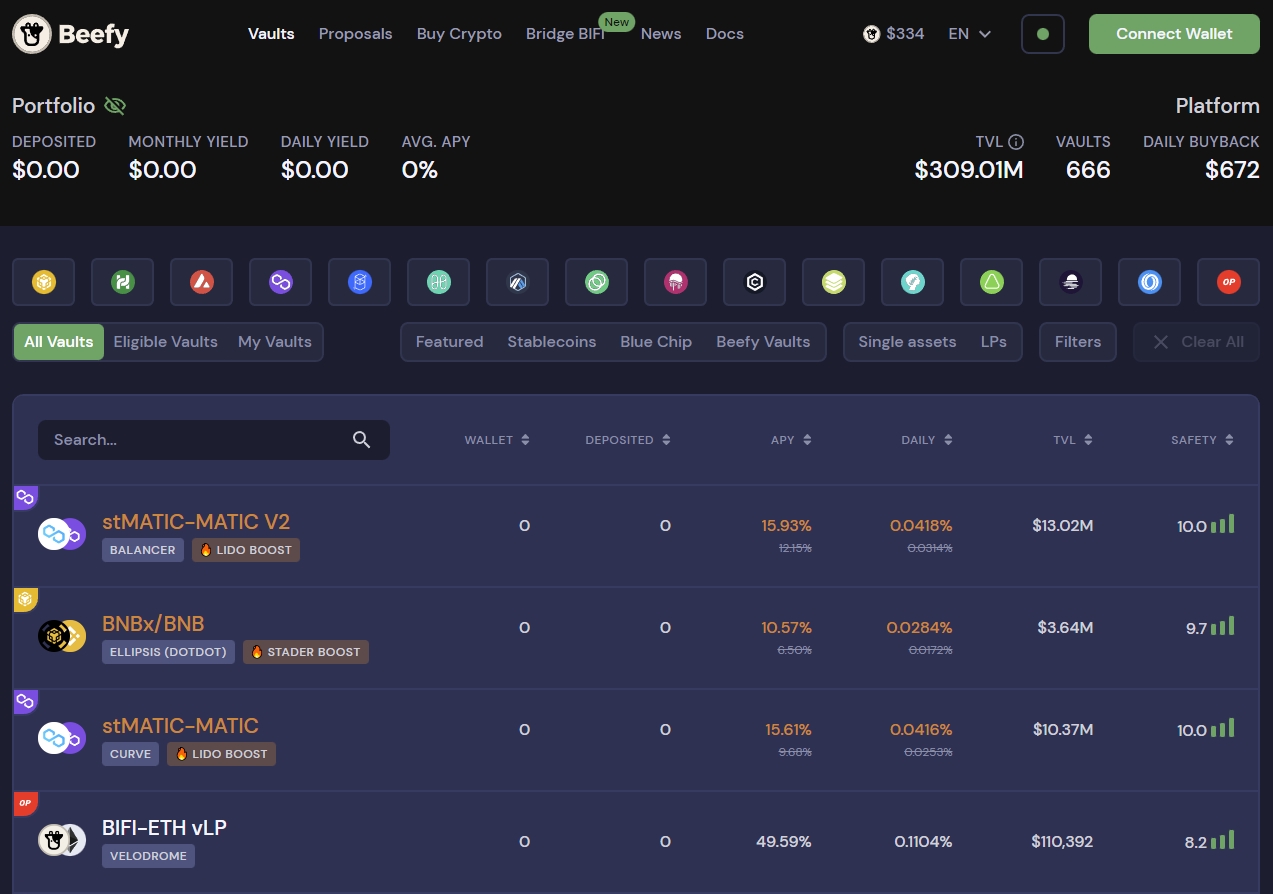
- Beefy Finance: Multi-chain yield aggregator with GMX support. Beefy Finance offers auto-compounding vaults for GMX and GLP on Arbitrum, allowing users to maximize returns through automated harvesting and reinvestment of rewards.
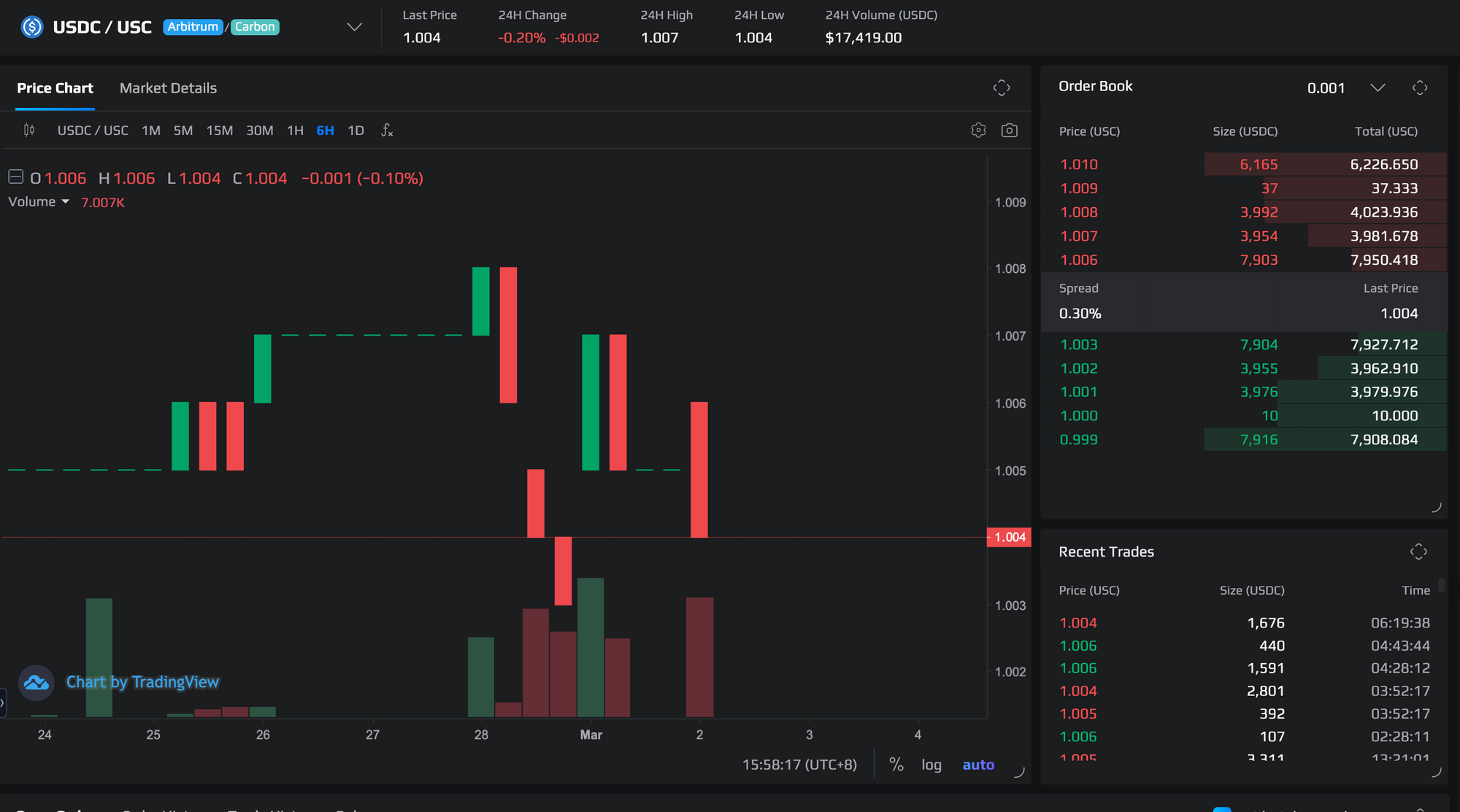
- Demex (Switcheo Labs): Leveraged GLP yield strategies. Demex enables users to loop USDC and GLP positions for leveraged yield farming, increasing potential returns while managing risk through its decentralized derivatives platform.
- Manual Compounding & Rebalancing: DIY optimization using GMX and analytics tools. Advanced users can manually monitor their GMX and GLP positions, harvesting rewards and rebalancing between pools or vaults based on real-time analytics for tailored risk and yield management.
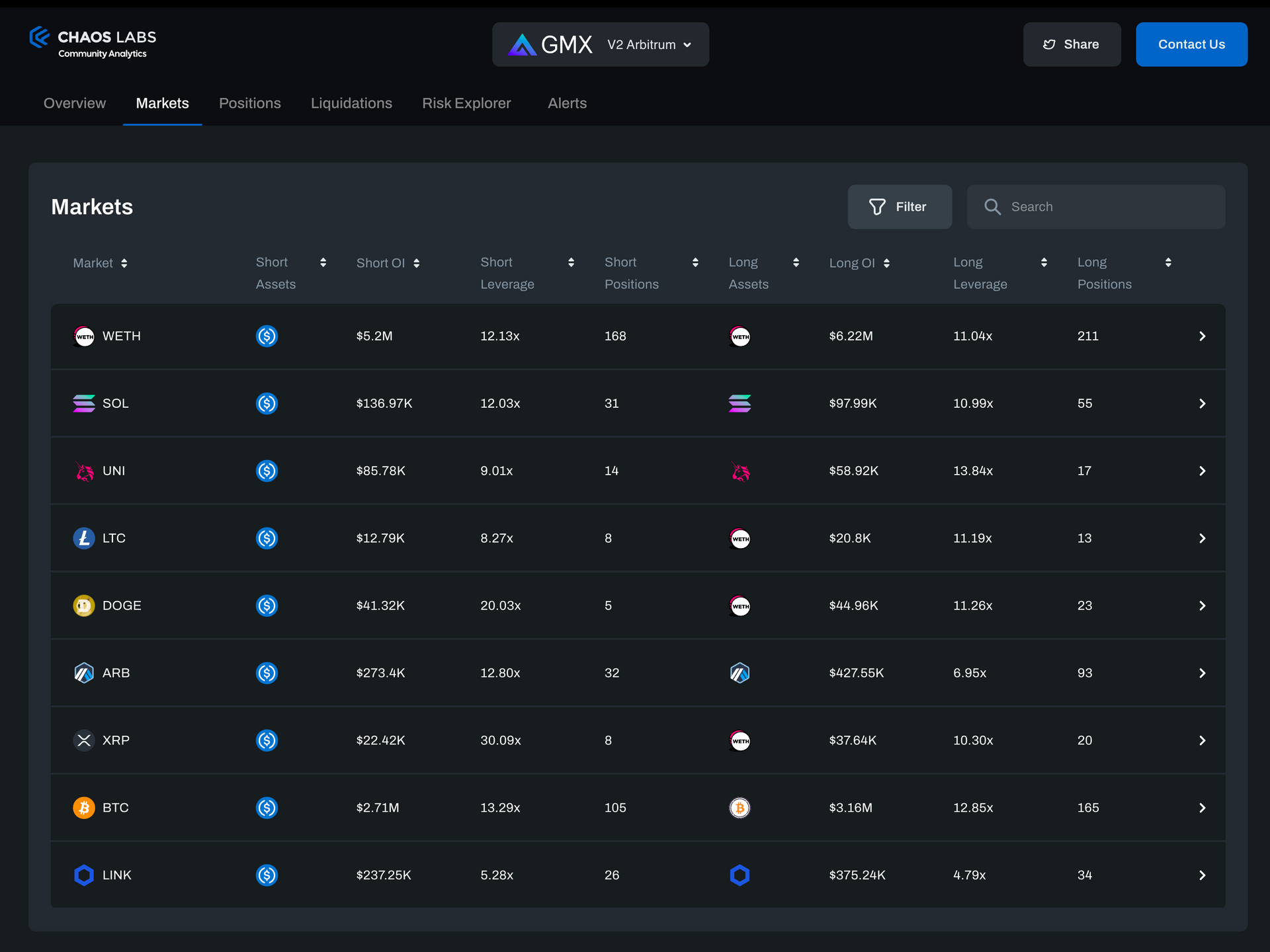
If you’re interested in compounding rewards, consider manually harvesting fees and re-deploying them across other high-APY pools or vaults within the Arbitrum ecosystem. This active approach can accelerate portfolio growth but requires vigilance regarding transaction costs and evolving APYs.
Staying Ahead: Incentives, Community Trends, and Platform Upgrades
The landscape for GMX yield farming strategies is highly dynamic. GMX frequently launches temporary incentive programs, such as boosted rewards for specific pools or time-limited trading competitions, to attract fresh liquidity. Monitoring official announcements is essential to capitalize on these short-term opportunities before they expire. You can find current details about these programs at the official Arbitrum Foundation forum (here).
Community sentiment also plays a non-trivial role in determining where capital flows next. If TVL surges into GMX pools following an upgrade or new partnership announcement, early LPs may benefit from both higher yields and potential appreciation in underlying assets.
Key Risks to Monitor When Providing Liquidity on Arbitrum
No advanced DeFi guide would be complete without a sober discussion of risks:
- Impermanent Loss: Even with single-asset pools, sudden market moves can impact returns relative to simply holding the token outright.
- Smart Contract Risk: While GMX has undergone multiple audits, no protocol is immune to vulnerabilities. Only allocate capital you’re prepared to manage actively.
- Evolving Incentive Structures: Yields fluctuate as trading volumes ebb and flow; what looks attractive today may underperform tomorrow if incentives change or competitors launch rival products.
The best defense is diversification, not just across assets within GLV Vaults but also across protocols within the broader Arbitrum ecosystem.
Actionable Checklist for Maximizing Your Yield Potential
The bottom line: Successful yield farming with Arbitrum’s GMX liquidity options demands more than just initial deposit decisions. It requires ongoing analysis of pool performance, adapting allocations as market conditions evolve, and leveraging ecosystem upgrades or incentive programs when they arise. By staying data-driven, and keeping current market prices like $15.07 front-of-mind, you position yourself at the forefront of sustainable DeFi growth on Arbitrum.




No comments yet. Be the first to share your thoughts!