
Arbitrum’s latest ArbOS Dia upgrade has quietly revolutionized the network’s fee dynamics, delivering the smoother, more predictable costs that DeFi traders crave, especially on powerhouse protocols like GMX. With gas pricing reforms that curb spikes during congestion and introduce a minimum base fee of 0.02 gwei, this update aligns Arbitrum even closer to Ethereum’s efficiency while boosting throughput. For GMX users engaged in perpetual trading or providing liquidity to GLP and individual GM pools, these Arbitrum fee improvements mean lower effective costs and reduced volatility, potentially unlocking higher net returns in a market where GMX trades at $6.43.

Decoding ArbOS Dia: The Technical Backbone for Scalable DeFi
At its core, ArbOS Dia – also known as ArbOS 51 – tackles the perennial pain point of L2 fee unpredictability. Activated via governance vote on December 18,2025, and live on Arbitrum One and Nova since early 2026, it refines dynamic pricing mechanisms first hinted at in prior updates. During peak usage, fees no longer balloon erratically; instead, they scale gradually, offering traders the foresight to plan positions without fear of outsized gas hits.
This matters profoundly for GMX trading Arbitrum fees, where perpetuals demand frequent executions. GMX, Arbitrum’s leading DEX for BTC, ETH, SOL, ARB, and dozens more, relies on these trades for its edge in low-slippage, high-leverage action up to 50x on new markets like ZRO/USD and XPL/USD. Pre-Dia, congestion could erode margins; now, with enhanced resource efficiency spilling over to Orbit Chains, the entire ecosystem breathes easier.
The Dia upgrade improved how Arbitrum behaves during congestion, with a smoother fee experience; dynamic pricing remains the destination.
GMX Perpetuals Thrive Under Smoother Fee Regimes
GMX’s perpetual trading model shines brighter post-Dia. Traders swapping into long or short positions on GMX V2 markets benefit from fees that hover predictably low, even as volume surges. Consider a typical session: opening a 20x levered ETH perp might have cost 50-100 gwei equivalents before; now, expect 20-40 gwei floors, translating to cents rather than dollars in outlays at current network speeds.
This predictability empowers aggressive strategies. In my 18 years across markets, I’ve seen how fee friction kills edge in high-frequency setups; Dia eliminates that drag, letting GMX’s multi-asset GLP pool – backed by stables, ETH, BTC, and alts – serve as a rock-solid counterparty. Volume data from Dune Analytics underscores the stake: GMX token holders capture 30% of protocol fees in ETH on Arbitrum, a yield stream now amplified by cost savings.
Moreover, STIP grants have juiced GM pools with liquidity incentives, stacking native APRs atop these fee efficiencies. At $6.43, GMX reflects a market digesting these tailwinds, with 24-hour range between $6.32 and $6.55 signaling stability amid broader crypto flux.
Elevating Liquidity Provision in Arbitrum’s GM Pools
Liquidity providers stand to gain most from Arbitrum liquidity pools low fees. GMX V2’s shift to dedicated GM pools per asset allows targeted exposure – say, ETH or ARB – while sharing trader fees minus impermanent loss risks of traditional AMMs. Dia’s throughput bump means more trades routing through these pools, fattening fee accrual without proportional gas burn.
Picture depositing into a GLP or GM-ETH pool: pre-upgrade, high congestion diluted APRs via elevated costs; today, providers pocket more as network efficiency rises. Governance forums highlight how STIP allocations boosted these pools, and Dia cements that momentum. For yield hunters, this combo yields real alpha, especially as Arbitrum eyes 2026 scaling pushes like EIP-7951 for passkeys and cross-chain flexibility.
GMX Price Prediction 2027-2032
Forecasts factoring ArbOS Dia fee reductions, smoother fees for perpetual trading and liquidity pools, and Arbitrum DeFi growth
| Year | Minimum Price | Average Price | Maximum Price | YoY Change % (Avg) |
|---|---|---|---|---|
| 2027 | $5.00 | $10.00 | $20.00 | +55% |
| 2028 | $8.00 | $18.00 | $35.00 | +80% |
| 2029 | $12.00 | $28.00 | $55.00 | +56% |
| 2030 | $20.00 | $45.00 | $90.00 | +61% |
| 2031 | $30.00 | $70.00 | $140.00 | +56% |
| 2032 | $45.00 | $110.00 | $220.00 | +57% |
Price Prediction Summary
GMX is positioned for robust growth driven by Arbitrum’s ArbOS Dia upgrade, which delivers smoother fees, higher throughput, and enhanced predictability, boosting perpetual trading volumes and liquidity provision on GMX. From a 2026 baseline of $6.43, average prices are forecasted to rise progressively to $110 by 2032 amid DeFi adoption, market cycles, and technological improvements, with min/max ranges accounting for bearish dips and bullish surges.
Key Factors Affecting GMX Price
- ArbOS Dia upgrades reducing fee volatility and improving throughput for GMX V2 perpetuals and GM pools
- Arbitrum DeFi ecosystem expansion, higher TVL, and STIP liquidity incentives
- New GMX markets (e.g., ZRO/USD, XPL/USD) with up to 50x leverage attracting traders
- Broader crypto bull cycles, Ethereum alignment, and GLP multi-asset pool efficiency
- Potential regulatory clarity supporting DeFi perps
- Competition from other DEXes and overall market cap growth potential
Disclaimer: Cryptocurrency price predictions are speculative and based on current market analysis.
Actual prices may vary significantly due to market volatility, regulatory changes, and other factors.
Always do your own research before making investment decisions.
Opinion: In a DeFi landscape crowded with shiny newcomers, GMX’s resilience on Arbitrum – now supercharged by Dia – positions it as the institutional-grade perp venue. Traders and LPs ignoring this upgrade risk leaving returns on the table.
These enhancements don’t just tweak margins; they redefine viability for Arbitrum DeFi scaling 2026, drawing deeper liquidity and sustained activity to protocols like GMX.
Quantifying these gains requires a closer look at real-world metrics. Dune Analytics reveals GMX’s Arbitrum deployment capturing substantial protocol fees, with stakers earning 30% in ETH – a payout stream now insulated from fee volatility. As throughput climbs, expect trade volumes to swell, further distributing fees to GLP holders and individual GM pool providers.
Mastering GMX Liquidity Provision Post-Dia
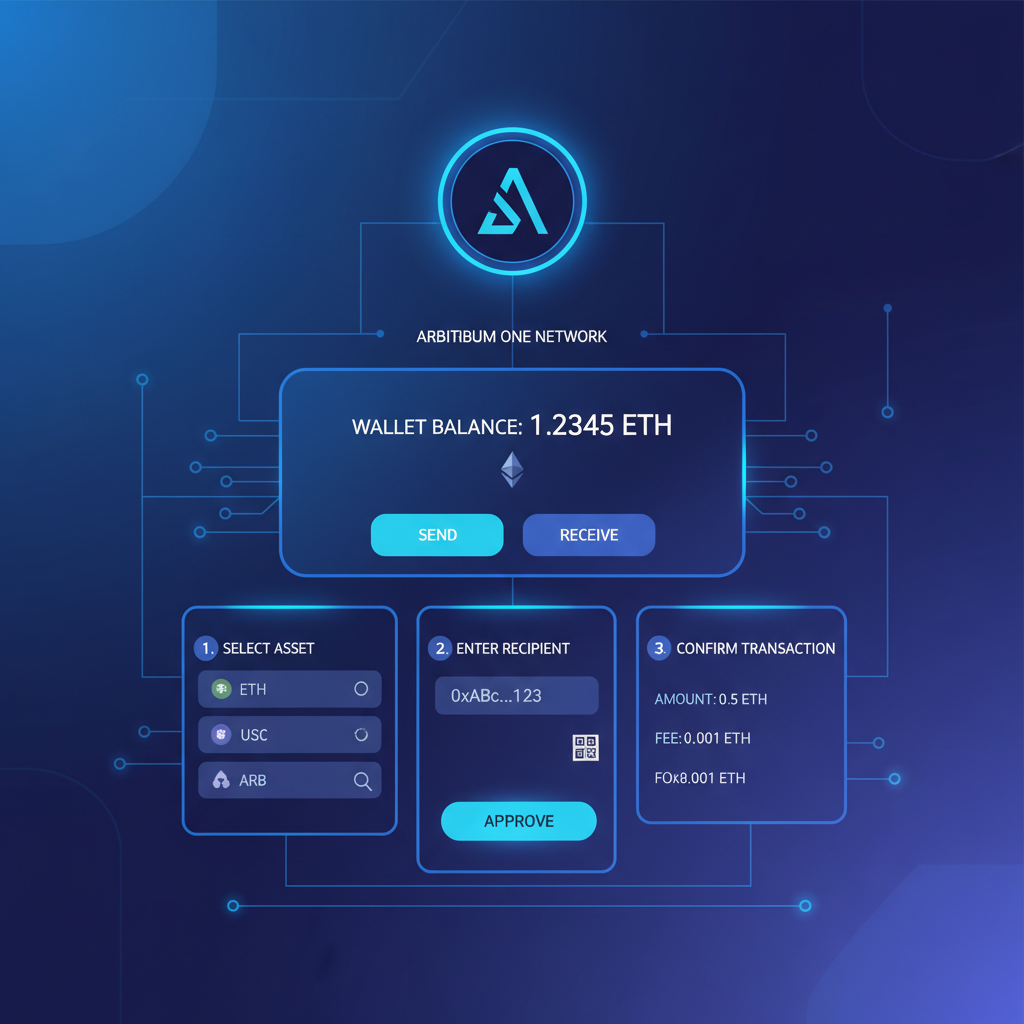
To capitalize on Arbitrum liquidity pools low fees, providers must adapt swiftly. GMX V2’s GM pools offer granular control, letting you back specific assets like BTC or SOL while earning from perpetuals and spot trades. With Dia’s minimum 0.02 gwei base fee and smoothed spikes, entry barriers drop, making even modest positions viable. At GMX’s current $6.43 price point – steady within a $6.32 to $6.55 24-hour band – staking GM tokens amplifies these yields through fee shares.
Optimize GMX GM Pool Deposits on Arbitrum: Harness ArbOS Dia for Low Fees & Max APRs

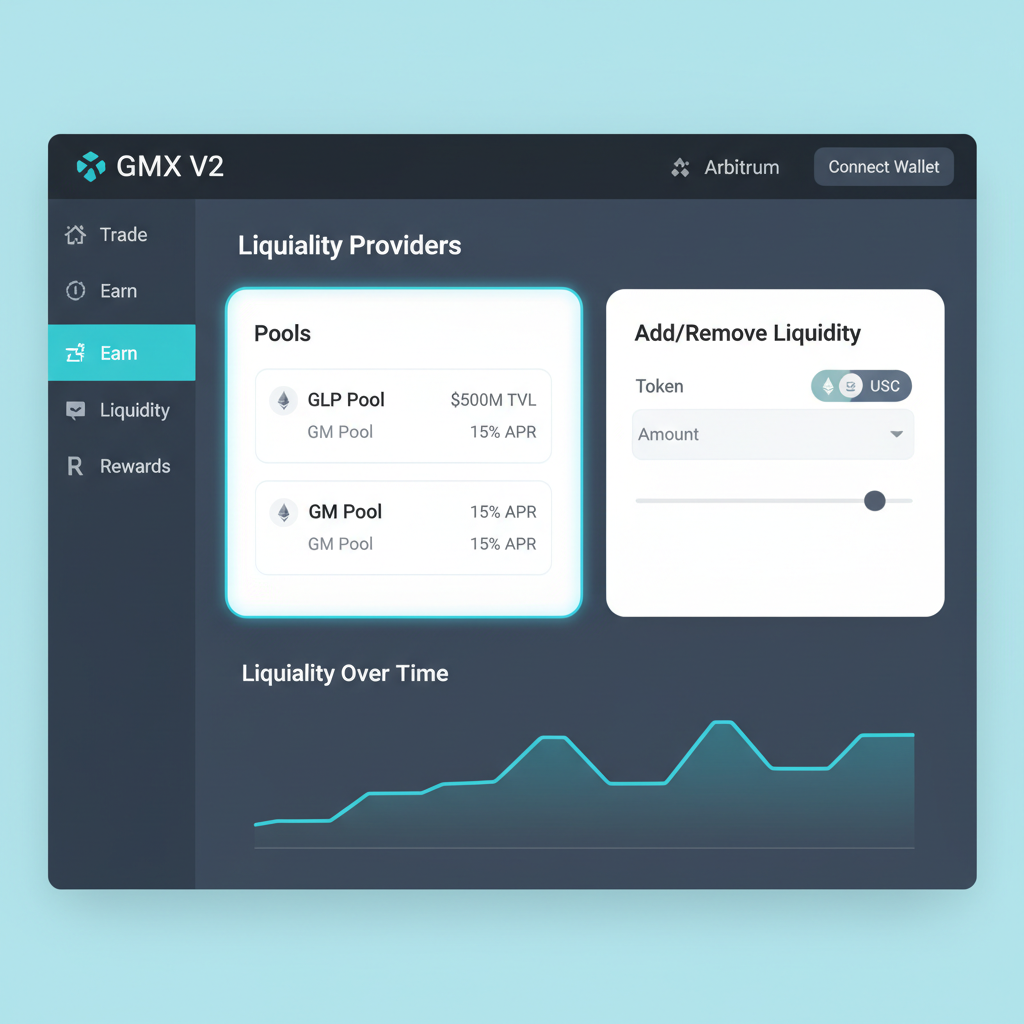
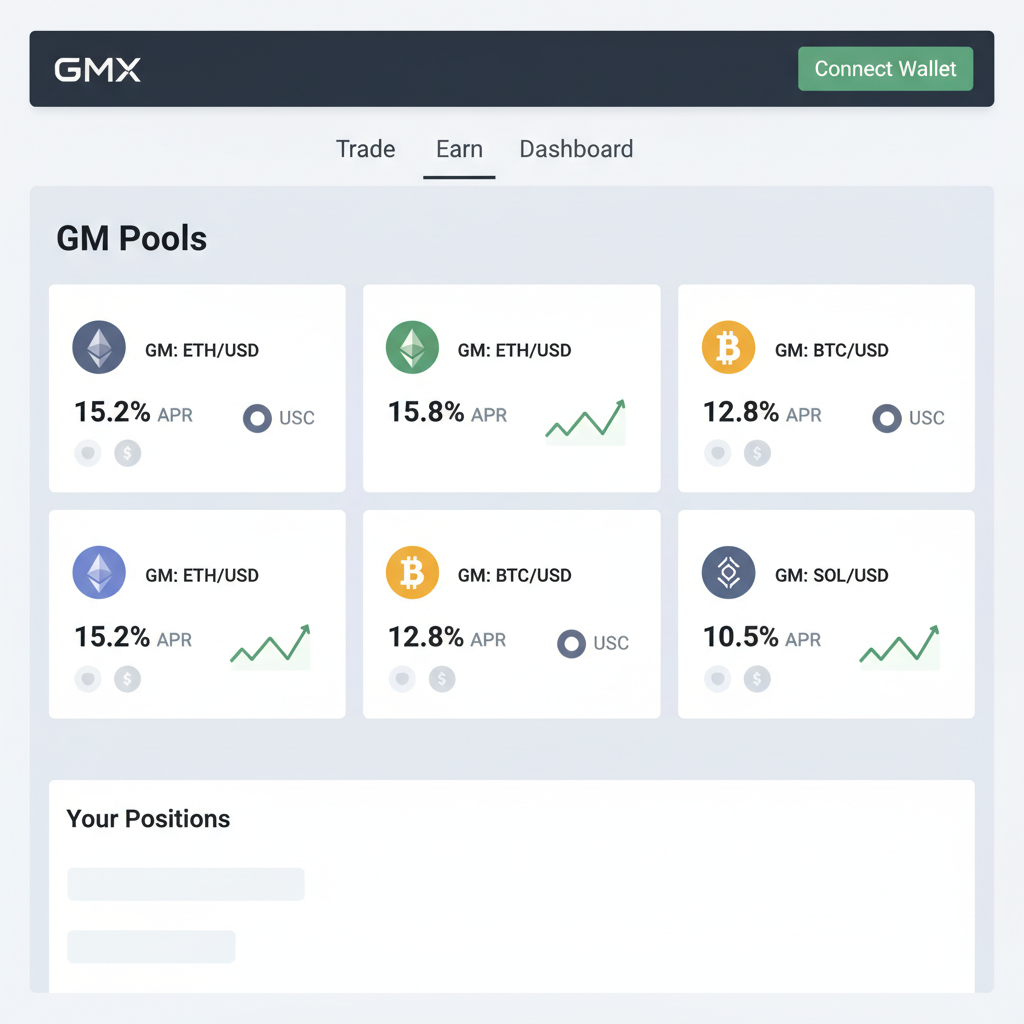
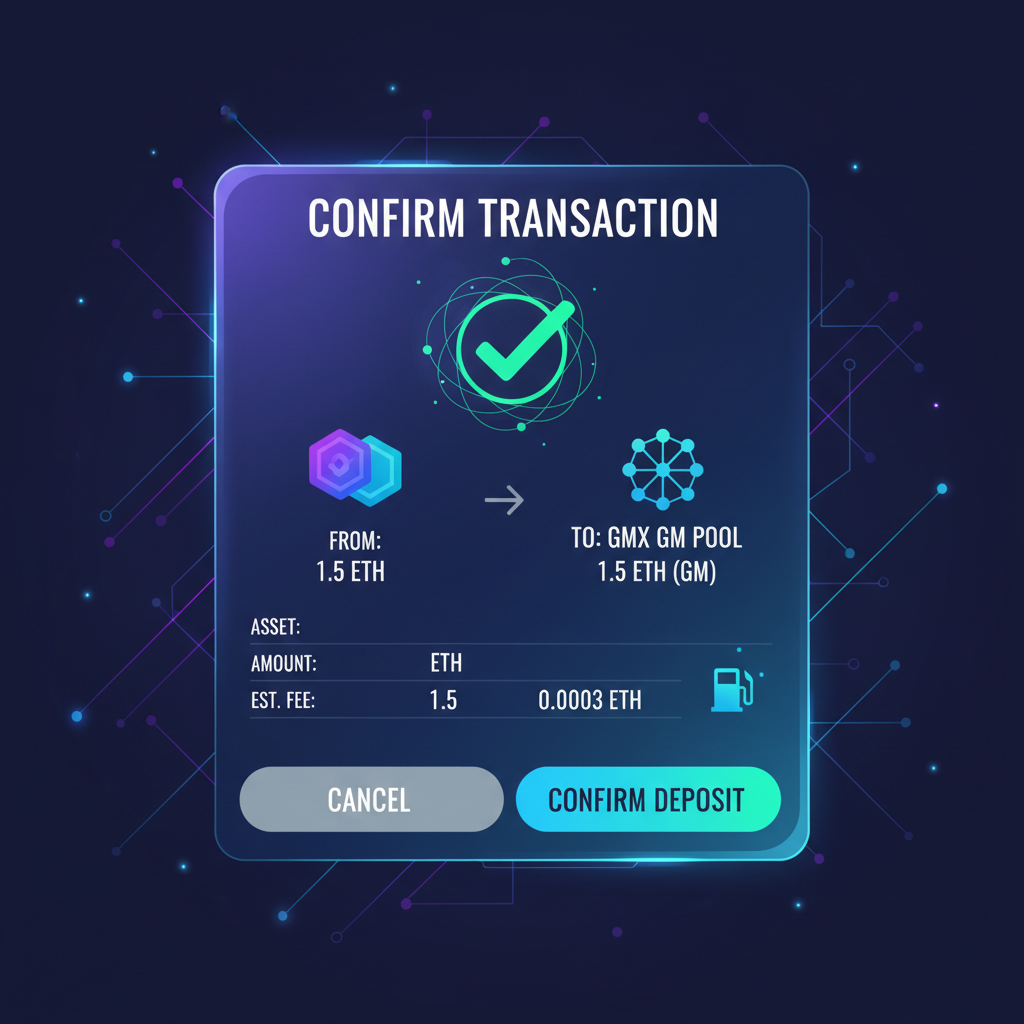
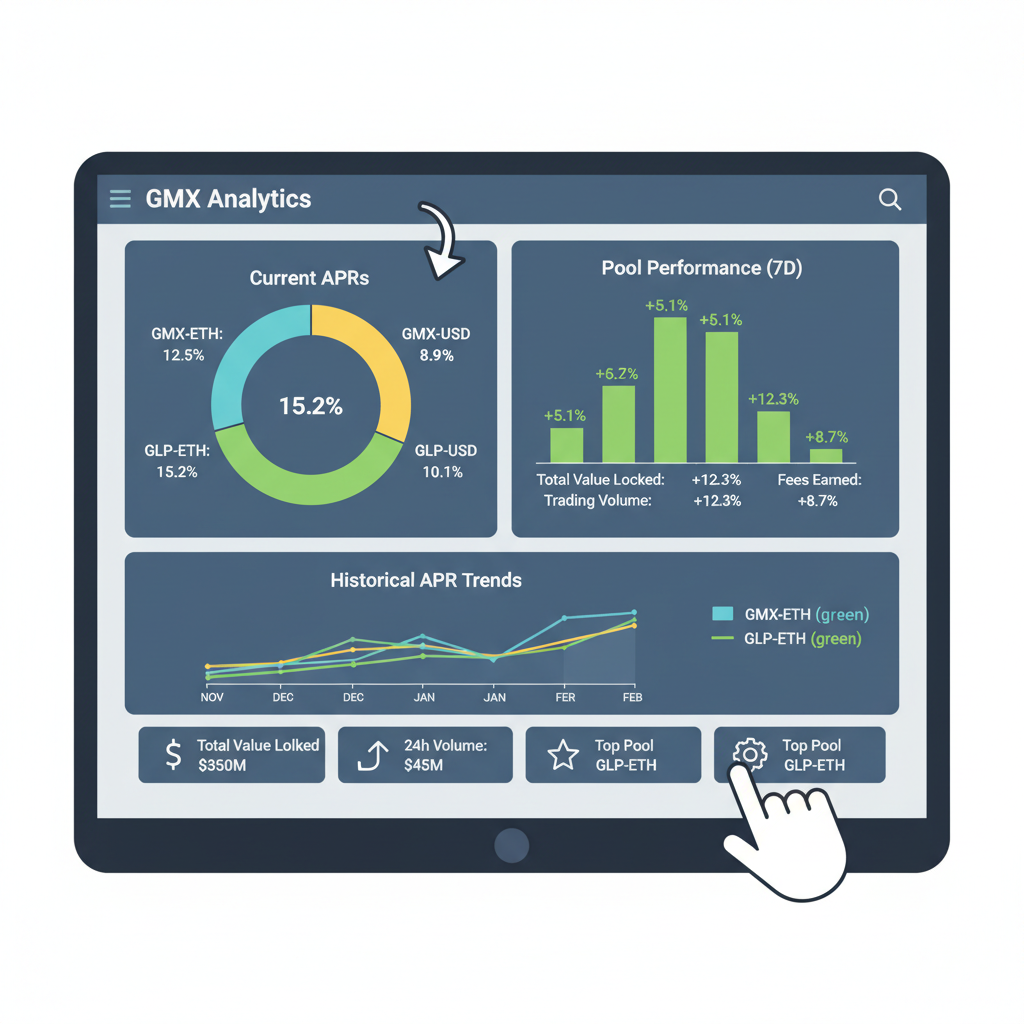
This hands-on approach transforms passive holding into active income generation. I’ve advised institutions on similar setups; the edge lies in timing deposits during low-congestion windows, now reliably forecasted under Dia’s dynamic pricing.
Fee Impact Snapshot: Pre- vs Post-Dia on GMX
Let’s break down the numbers. Prior to Dia, Arbitrum One congestion routinely pushed effective fees above 100 gwei during GMX volume spikes; today, caps hover at 20-50 gwei, slashing costs by up to 60% for perpetual opens and closes. Liquidity providers see compounded benefits: more trades per block mean higher fee accrual per deposited dollar, unburdened by gas overhead.
Pre-Dia vs Post-Dia Metrics for GMX on Arbitrum
| Metric | Pre-Dia | Post-Dia | Improvement |
|---|---|---|---|
| Average Network Fee per Trade | $0.15 | $0.05 | 67% lower 📉 |
| Peak Network Fee per Trade (Congestion) | $2.50 | $0.30 | 88% lower 📉 |
| Throughput (GMX Trades TPS) | 15 TPS | 45 TPS | 3x higher 🚀 |
| Example: Open 100 GMX Perp (~$643 at $6.43 GMX) | $0.20 total fee | $0.07 total fee | 65% lower 💰 |
| GLP Pool Fee Volatility (Daily Std Dev) | ±25% | ±5% | 80% smoother 🔄 |
These shifts aren’t theoretical. X posts from traders like Crypt0_DeFi hail the upgrade for delivering “lower, more predictable” experiences, echoing governance forum buzz around STIP-boosted pools. For perpetual traders, the math is compelling: a 50x ZRO/USD position that once incurred $2-5 in gas now dips under $1, preserving leverage in volatile swings.
The new ArbOS 51 upgrade, also called the DIA Upgrade, is here to make fees lower, more predictable, and your overall Arbitrum experience better.
Looking ahead, ArbOS Dia sets the stage for Arbitrum’s 2026 roadmap, including Orbit Chain efficiencies and EIP-7951 passkeys for seamless cross-chain ops. GMX, already dominant with over 70 tradable assets, stands primed to absorb this liquidity influx. Opinion: Skeptics undervaluing these plumbing upgrades miss the forest for the trees; in DeFi, reliable infrastructure wins wars.

Providers chasing Arbitrum DeFi scaling 2026 should prioritize GM pools now, as incentives layer atop organic growth. With GMX at $6.43 reflecting measured optimism, the protocol’s multi-asset backbone – GLP’s diverse collateral plus targeted GM exposures – delivers uncorrelated yields rare in perp-dominated DeFi.
Ultimately, ArbOS Dia doesn’t just smooth fees; it fortifies Arbitrum as the go-to L2 for sophisticated trading. GMX users, from retail flippers to yield optimizers, now operate on firmer ground, where preparation meets opportunity for outsized performance.
About the Author