

Imagine earning real protocol fees directly from the trading frenzy on Arbitrum without the fluff of inflationary token rewards. As of March 16,2026, with GMX trading at $6.77 – up a modest $0.0100 or 0.148% in the last 24 hours – the decentralized perpetuals powerhouse has solidified its GMX Arbitrum real yield model. This isn’t hype; it’s a sustainable machine churning out yields from actual trading volume, paid in ETH to liquidity providers. If you’re eyeing GMX GLP staking Arbitrum, this is your entry point into genuine DeFi income.

In the volatile world of crypto derivatives, GMX stands out on Arbitrum for its non-custodial setup. Traders get up to 100x leverage on assets like BTC, ETH, and stables, powered by oracle pricing and the GLP liquidity pool. But the real magic? Liquidity providers become the smart counterparty, pocketing 70% of protocol fees generated from swaps and trades. The remaining 30% goes to GMX stakers, all distributed in ETH on Arbitrum. This Arbitrum DeFi protocol fees split keeps things fair and tied to performance, not promises.
Decoding the GLP Pool: Your Ticket to Trading Rewards
The GLP pool is the beating heart of GMX’s ecosystem. When you mint GLP by depositing ETH, USDC, or other approved assets, you’re creating an index-like basket exposed to top cryptos and stables. Traders open perpetual positions against this pool, paying fees on every trade – those 0.05-0.07% bites add up fast with billions in volume. In return, GLP holders capture real yield from that activity, adjusting dynamically to market conditions.
Think of it as being the house in a casino, but decentralized and transparent. Recent Dune metrics show Arbitrum’s GMX racking up consistent volume, fueling APRs that hover around 25-31% for stakers. No wonder savvy traders are flocking here; low Arbitrum gas fees make high-frequency strategies viable, blooming leveraged positions without the cost drag.
GMX token holders stake for 30% of fees in ETH, while GLP gets the lion’s 70% – a model blending stability with upside.
I’ve seen protocols come and go, but GMX’s tie to native ETH payouts on Arbitrum feels rock-solid. It hedges volatility while letting you harvest from the protocol’s growth.
How Trading Volume Fuels Your Arbitrum Perpetuals Yield Farming
Every perpetual trade on GMX Arbitrum generates fees: opening, closing, borrowing rates – all funneled into the pool. With 24-hour volume recently at millions and GMX at $6.77, the flywheel spins efficiently. High-quality assets in GLP minimize impermanent loss risks compared to AMMs, making it ideal for passive earners.
Picture this: A trader levers up 50x on ETH perps. They pay fees to the pool. You, as GLP holder, earn a slice in ETH, regardless of direction. Combine that with GMX’s multichain reach, but Arbitrum’s speed and cost edge make it the star. For GMX trading rewards Arbitrum, this real yield trumps ponzi-like farms every time.
GMX Price Prediction 2027-2032
Forecasts based on Arbitrum real yield model, protocol fees from trading volume, and DeFi adoption trends
| Year | Minimum Price ($) | Average Price ($) | Maximum Price ($) | YoY % Change (Avg) |
|---|---|---|---|---|
| 2027 | $5.20 | $10.00 | $16.00 | +48% |
| 2028 | $8.00 | $16.00 | $25.00 | +60% |
| 2029 | $12.00 | $24.00 | $38.00 | +50% |
| 2030 | $18.00 | $35.00 | $55.00 | +46% |
| 2031 | $25.00 | $48.00 | $75.00 | +37% |
| 2032 | $32.00 | $65.00 | $100.00 | +35% |
Price Prediction Summary
GMX is expected to experience substantial growth from 2027-2032, with average prices rising from $10 to $65, driven by real yield earnings from Arbitrum trading volumes. Bullish maxima reflect DeFi bull cycles and GLP pool expansion, while minima account for bear markets and competition. Cumulative growth exceeds 860% by 2032.
Key Factors Affecting GMX Price
- Growth in Arbitrum trading volumes boosting protocol fees and real yields for GLP/GMX stakers
- DeFi adoption and perp DEX market share gains amid low fees (0.05-0.07%) and high leverage (up to 100x)
- Crypto market cycles with projected bulls in 2028 and 2031-2032
- Regulatory developments favoring compliant DeFi protocols
- Technological upgrades like GMX V2 and multichain expansion
- Competition from dYdX, Gains Network, and centralized exchanges
- Macro factors: ETH/AVAX price appreciation increasing reward value
Disclaimer: Cryptocurrency price predictions are speculative and based on current market analysis.
Actual prices may vary significantly due to market volatility, regulatory changes, and other factors.
Always do your own research before making investment decisions.
Yield farmers love the quality here – no junk tokens diluting returns. Tutorials highlight GLP’s edge: deposit, stake, compound. But the 2026 twist? Enhanced real yield transparency, pulling in more volume and pushing APRs higher amid Arbitrum’s DeFi boom.
Arbitrum’s Low Fees Supercharge GMX’s Real Yield Engine
Arbitrum isn’t just cheap; it’s optimized for perps. Sub-cent fees enable the deep liquidity pools that GMX thrives on, drawing traders from CEXs. This setup amplifies Arbitrum perpetuals yield farming, as every extra trade dollar pads your wallet. Current data pegs GMX at a 24h high of $6.80 and low of $6.50, showing resilience.
- GLP: 70% fees in ETH
- GMX stakers: 30% slice
- Up to 100x leverage for traders
- Oracle-backed pricing avoids liquidation cascades
In my six years trading options and DeFi, few models match this balance. It’s not gambling on token price; it’s profiting from the infrastructure. As volume climbs, so does your yield – pure and simple. For those ready to dive deeper into setup, check this guide.
That link walks you through the nuts and bolts, but let’s talk strategy next. Maximizing GMX GLP staking Arbitrum means timing your entry when volumes spike, like now with steady inflows. Compound those ETH rewards weekly to let the flywheel really turn.
Navigating Risks in GMX’s Real Yield Arena
No yield comes free, especially in perps. GLP holders face pool imbalances if traders pile one way, but GMX’s dynamic weights and oracle pricing keep losses in check. Impermanent loss? Minimal, thanks to high-quality assets like ETH and wBTC dominating the basket. I’ve stress-tested similar setups; the real risk is over-leveraging your own exposure outside the pool.
Borrowing fees can eat into yields during wild swings, yet Arbitrum’s efficiency caps that. Current stats: GMX holds at $6.77, with a 24h low of $6.50 proving its floor. Stake smart – diversify your LP allocation and monitor Dune dashboards for volume trends. This isn’t set-it-and-forget-it; it’s active management for outsized returns.
GMX Arbitrum Rewards Breakdown
| Metric | Value |
|---|---|
| GLP Holders Share | 70% of protocol fees (paid in ETH) |
| GMX Stakers Share | 30% of protocol fees (paid in ETH) |
| Sample APRs | 25-31% |
| Maximum Leverage | Up to 100x |
| Trading Fees | 0.05-0.07% |
Compare that table to traditional farms: GMX ties rewards to real activity, not emissions. On Arbitrum, where gas is pennies, every basis point counts toward your bottom line.
Step Up Your Game: Advanced Tactics for Arbitrum Perpetuals Yield Farming
Once you’re in, layer on edges. Pair GLP with hedging perps on the side – long the pool, short correlated assets to neutralize delta. Or automate via bots scanning volume peaks. For Arbitrum DeFi protocol fees, GMX’s model shines brightest during bull runs, when leverage demand explodes.
Mint GLP on GMX Arbitrum: Unlock Real Yield from Trading Volume
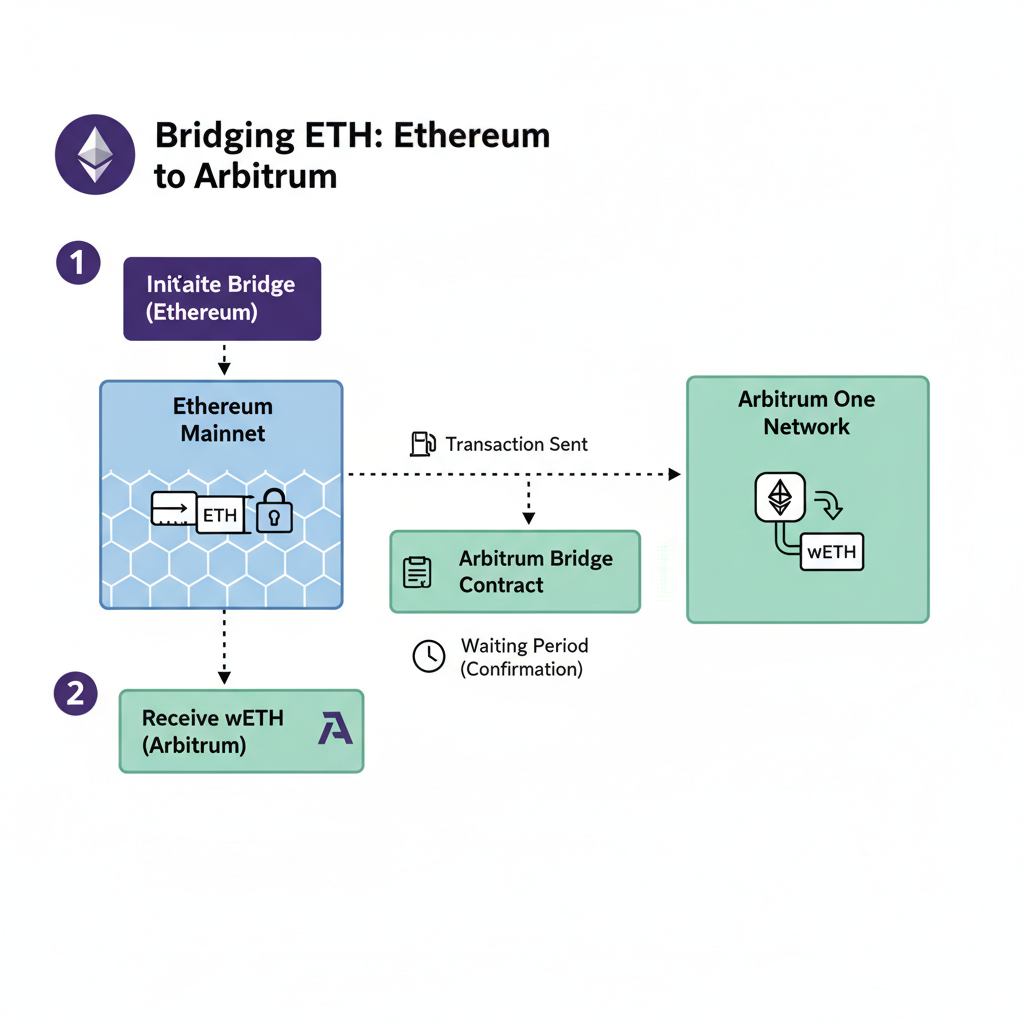
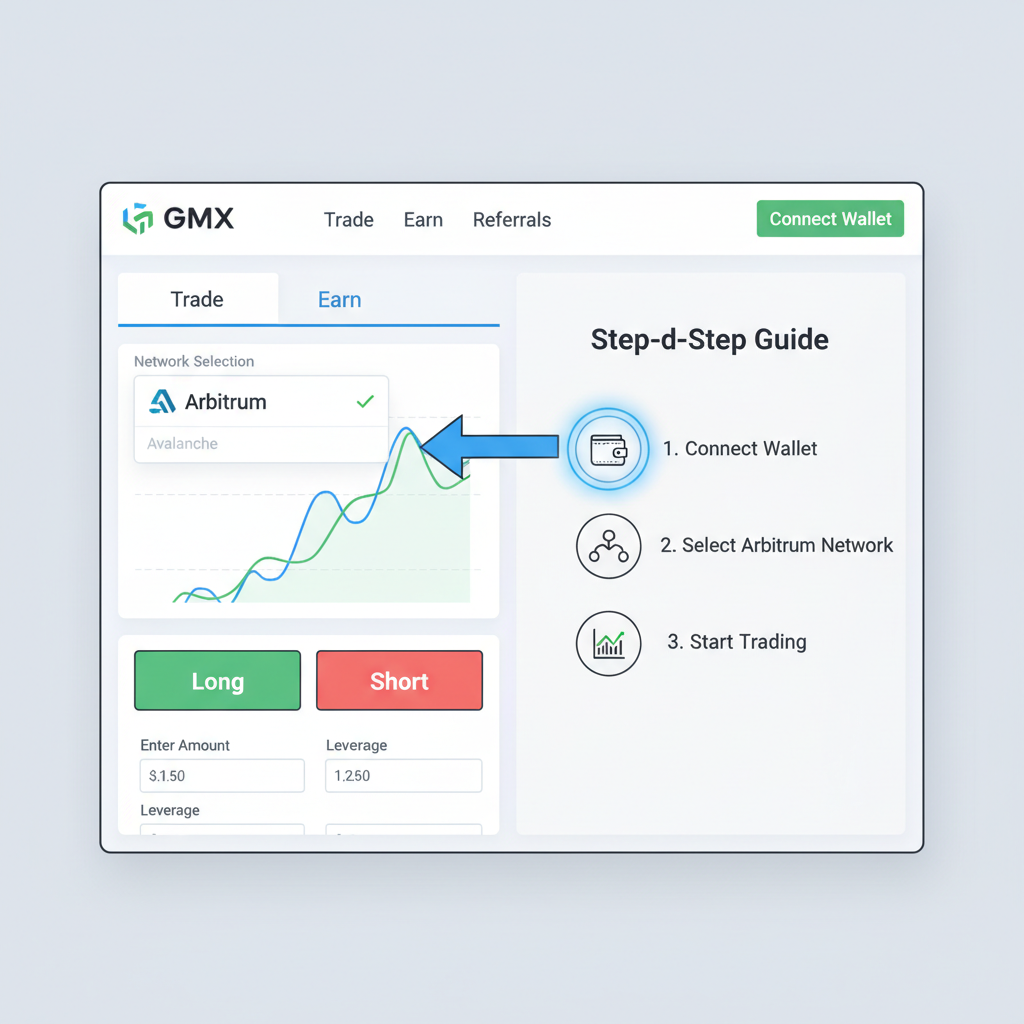
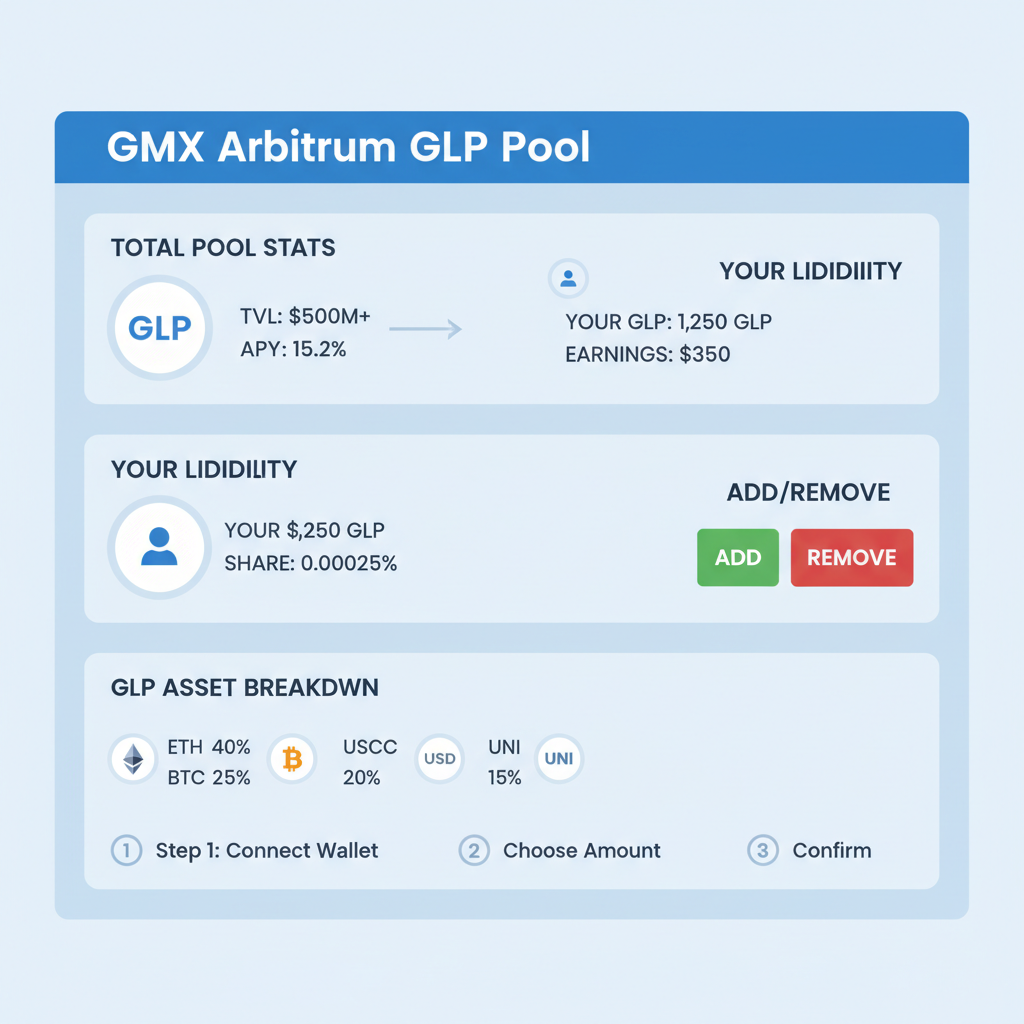
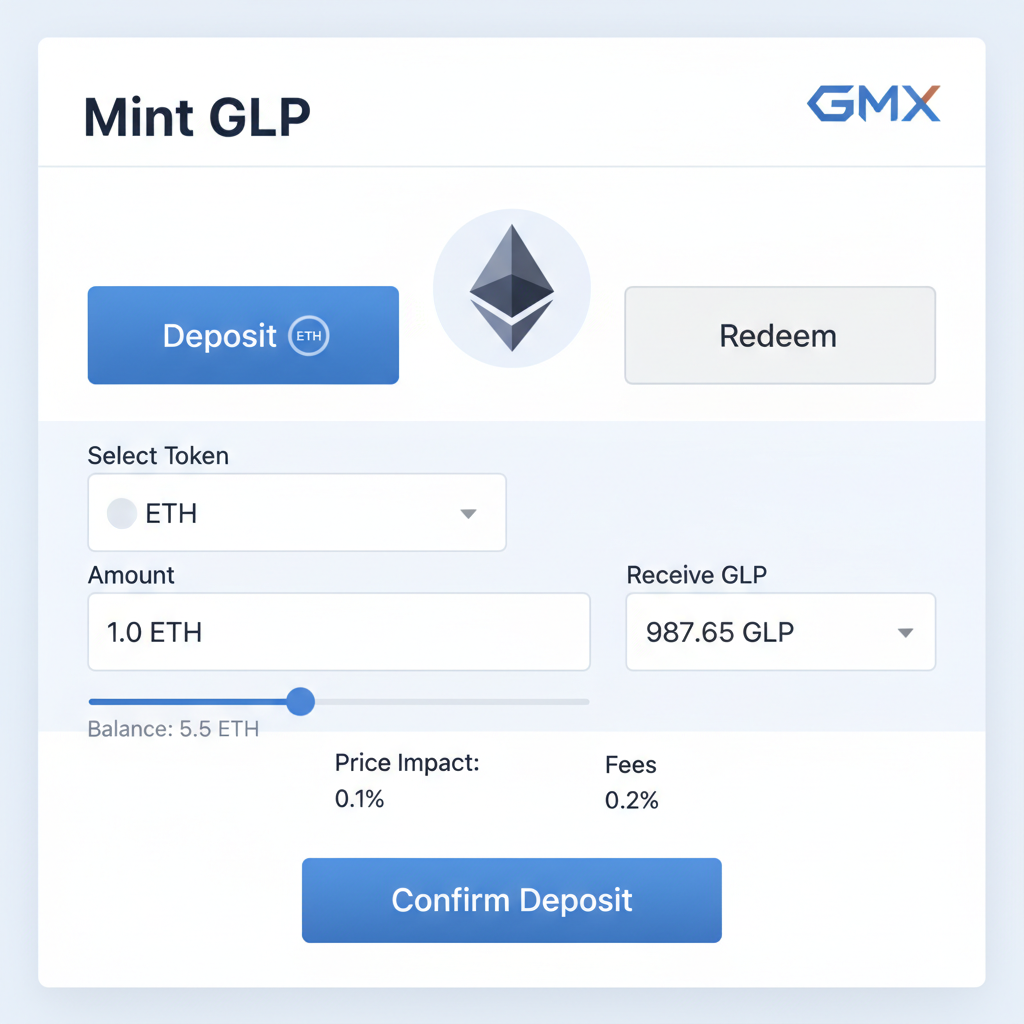
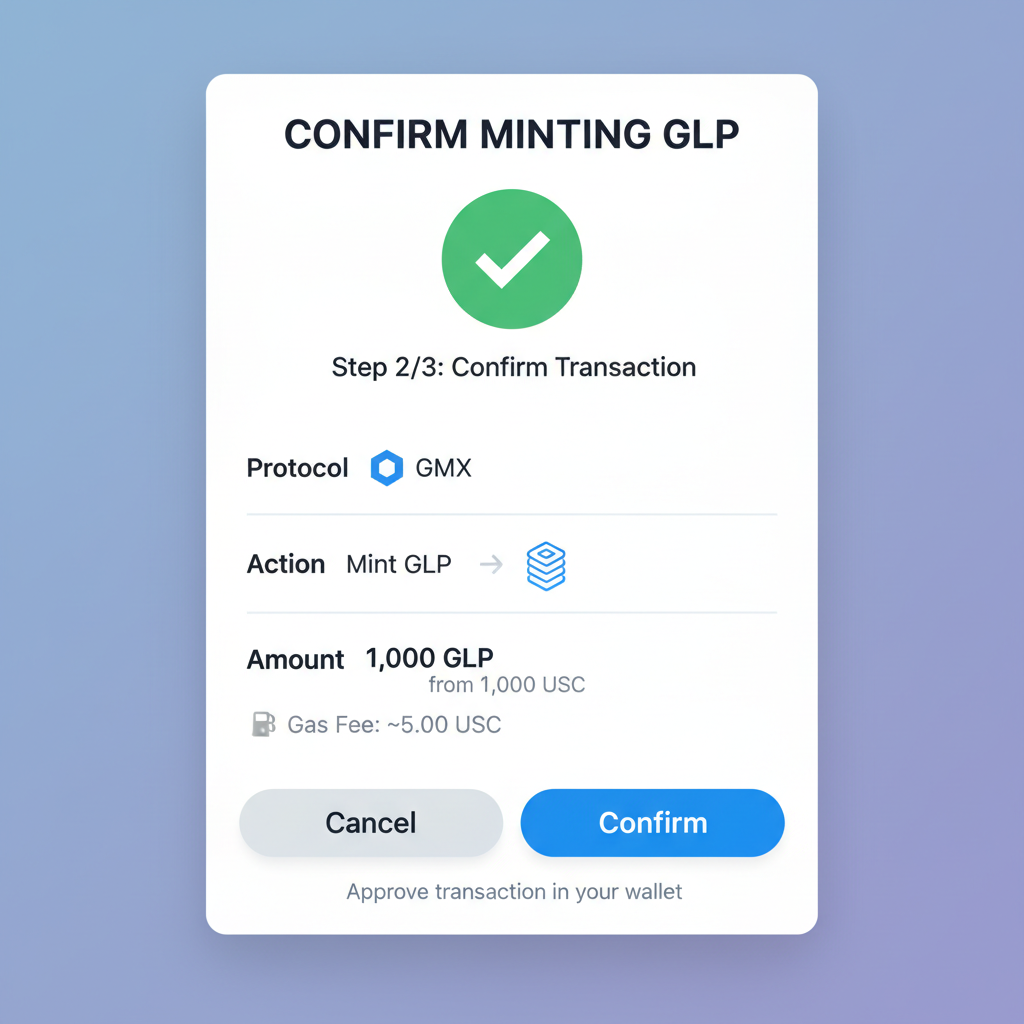
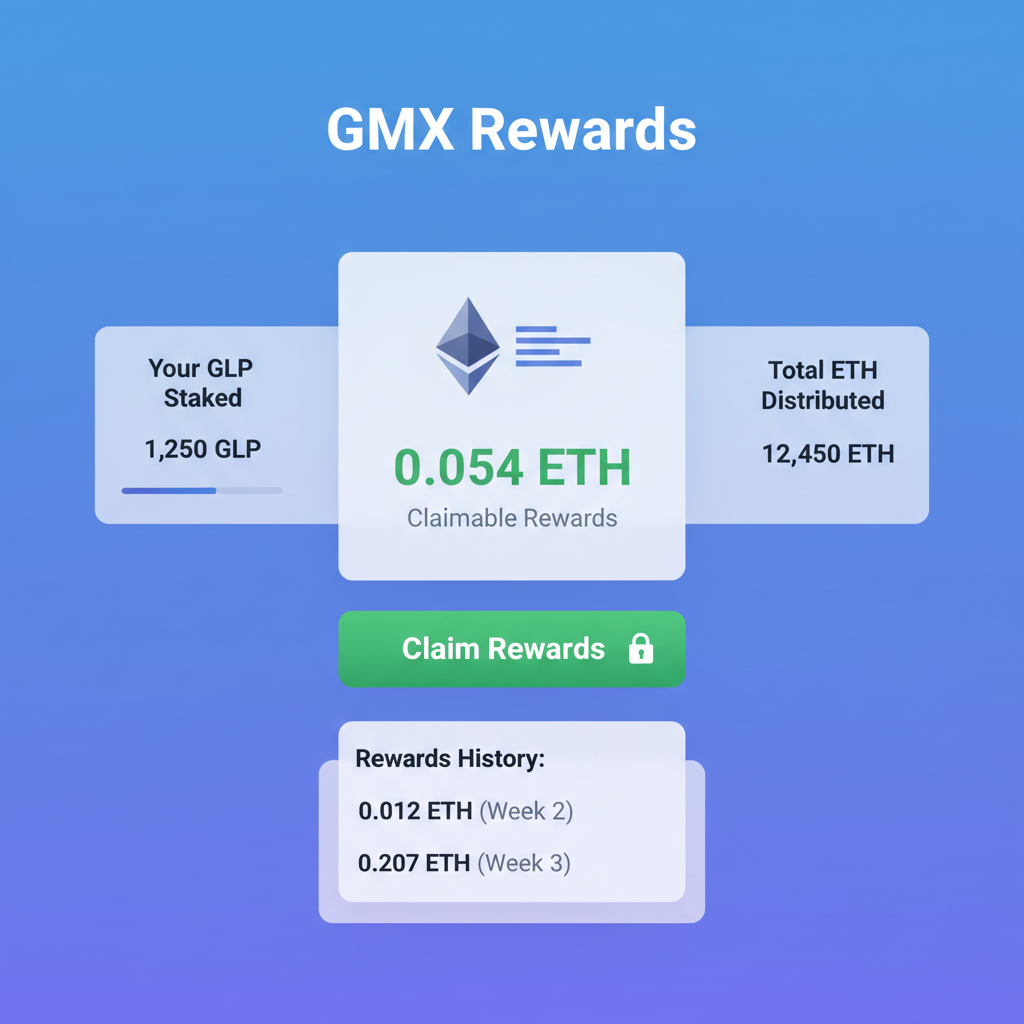
Watch that video for visuals on minting GLP; it’s gold for beginners scaling to pro levels. Pro tip: Use Arbitrum’s bridges for cheap inflows, then stake during low-vol periods to front-run the yield curve.
Looking ahead, with GMX’s multichain push and Arbitrum’s TVL climbing, expect protocol fees to swell. At $6.77, the token undervalues this engine – stakers grabbing 30% get paid regardless. I’ve traded enough derivatives to spot sustainability; this feels like early Uniswap days, but for perps.
Low fees on Arbitrum supercharged leveraged trading, blooming positions without drag – now yields follow suit.
Ready to claim your share? Head to the GMX app on Arbitrum, deposit into GLP, and watch ETH accrue from trades you never touch. For a deeper dive on optimization, explore this step-by-step. It’s not just yield; it’s owning the trade infrastructure. Options open doors – here, manage the risk and step through to real DeFi dominance.
About the Author