
When it comes to sustainable DeFi returns on Arbitrum, few protocols have made as much noise as GMX. Its GLP liquidity model is a standout in the world of decentralized perpetual exchanges, not just for its innovation but for the real yield it delivers to liquidity providers (LPs). If you’re looking for a way to earn from actual trading activity instead of fleeting token emissions, GMX’s GLP pool is worth a deep dive.
GMX and the Rise of Real Yield on Arbitrum
GMX operates as a decentralized perpetual exchange on Arbitrum and Avalanche, with its flagship feature being the GLP (GMX Liquidity Provider) token. What sets this apart from traditional AMMs or order book DEXs? The answer lies in how it sources and distributes yield. GLP is a multi-asset index pool comprising ETH, BTC, and stablecoins. When traders open leveraged positions on GMX, they interact directly with this pool - making GLP holders the counterparty to every trade.
This model supports deep liquidity, enabling positions over $50 million with minimal price impact - a feat even centralized giants struggle to match (source). For LPs, this means their capital isn’t just sitting idle; it’s actively earning from every swap, borrow, and liquidation that happens on the platform.
How GLP Generates Sustainable Yield
The magic behind sustainable DeFi returns on GMX comes down to its fee distribution. Seventy percent of all platform fees are distributed directly to GLP holders (source). These fees are generated by:
- Trading activity: Every time someone opens or closes a position, swaps assets, or borrows funds
- Liquidations: When leveraged traders get liquidated, part of their collateral goes to GLP holders
- Borrowing fees: Ongoing costs paid by traders for leverage
This fee structure means that LP yields are based on actual revenue - not inflationary rewards. As trading volumes rise (especially during periods of market volatility), so do the yields for those holding GLP. This is what’s known in DeFi circles as "real yield" - returns backed by genuine protocol usage rather than short-term incentives (source).
Diversification and Risk Management: The GLP Index Advantage
Diversification isn’t just a buzzword here. By holding GLP, LPs are exposed to an index of major crypto assets like ETH and BTC alongside stablecoins. This basket approach allows for more balanced risk management compared to single-asset pools or volatile token pairs (source). As market conditions shift, so does the composition of the pool - helping smooth out some of the volatility inherent in crypto markets.
But let’s be clear: there are risks involved. Since GLP acts as the counterparty to all trader positions on GMX, LPs can see losses if traders collectively profit (for example, during prolonged winning streaks). Additionally, since your exposure mirrors that of the underlying assets in the pool, sudden price drops can impact your holdings’ value (source). That’s why savvy users often pair their LP strategies with delta-neutral hedging techniques or utilize third-party vaults designed for risk mitigation.
GMX (GMX) Price Prediction 2026–2031
Based on the current price of $10.83 (October 2025) and considering GMX's sustainable yield model, DEX adoption, and evolving DeFi landscape.
| Year | Minimum Price (Bearish) | Average Price | Maximum Price (Bullish) | Year-on-Year Change (Avg) | Market Scenario Insights |
|---|---|---|---|---|---|
| 2026 | $8.50 | $13.00 | $19.00 | +20% | Recovery from 2025 lows; continued adoption of Arbitrum and DeFi could drive growth, but market volatility remains. |
| 2027 | $10.00 | $16.00 | $25.00 | +23% | Bullish DeFi cycle and broader crypto market recovery; possible new highs if DEX volume rises. |
| 2028 | $12.00 | $19.00 | $30.00 | +19% | Sustained growth from increased real-yield demand, further technology upgrades (e.g., GMX V2) and fee revenue expansion. |
| 2029 | $13.50 | $22.00 | $36.00 | +16% | Greater institutional participation and improved regulatory clarity could boost confidence and trading volumes. |
| 2030 | $15.00 | $25.00 | $43.00 | +14% | If GMX cements itself as a leading DEX, long-term fee-based yield attracts more liquidity providers. |
| 2031 | $16.00 | $28.00 | $50.00 | +12% | Maturation of DeFi sector; GMX retains competitive edge through innovation and ecosystem integration. |
Price Prediction Summary
GMX’s price outlook is moderately bullish over the next six years, with average prices projected to more than double by 2031 if current adoption and yield trends persist. The minimum and maximum ranges reflect both downside risks from market cycles and the significant upside potential if DeFi adoption accelerates and GMX maintains its leading position.
Key Factors Affecting GMX Price
- Sustained real-yield generation via GLP attracts liquidity and supports price.
- Broader adoption of decentralized perpetual exchanges on Arbitrum and Avalanche.
- Potential for new protocol upgrades (e.g., GMX V2, GLV token adoption) to boost utility and revenue.
- Competition from other DEXs and centralized exchanges could limit upside.
- Regulatory developments impacting DeFi participation and liquidity.
- Volatility in underlying assets (ETH, BTC, stablecoins) affecting GLP value.
- Macro crypto market cycles, including bull and bear phases.
Disclaimer: Cryptocurrency price predictions are speculative and based on current market analysis. Actual prices may vary significantly due to market volatility, regulatory changes, and other factors. Always do your own research before making investment decisions.
The Current State: GMX at $10.83 and Why It Matters Now
As of today (October 16th), GMX trades at $10.83, reflecting a slight dip over the past 24 hours (-0.0382%). This price level is significant because it anchors both new entrants and seasoned DeFi strategists assessing whether now is an opportune moment to accumulate more GLP or adjust their exposure.
The protocol continues to maintain deep liquidity on Arbitrum (over $400 million TVL), with robust fee generation even during periods of heightened volatility. For those prioritizing sustainable DeFi returns over speculative farming opportunities, this combination makes GMX’s ecosystem one of Arbitrum’s most compelling plays right now.
For DeFi enthusiasts seeking steady, protocol-driven returns, the GMX GLP liquidity model is more than just a passing trend, it's a blueprint for how decentralized exchanges can offer real yield without relying on unsustainable token emissions. The model’s ability to generate yield from actual platform usage, coupled with its diversified index approach, has set a new standard for Arbitrum DeFi yield strategies.
Navigating the Risks: Smart Strategies for GLP Liquidity Providers
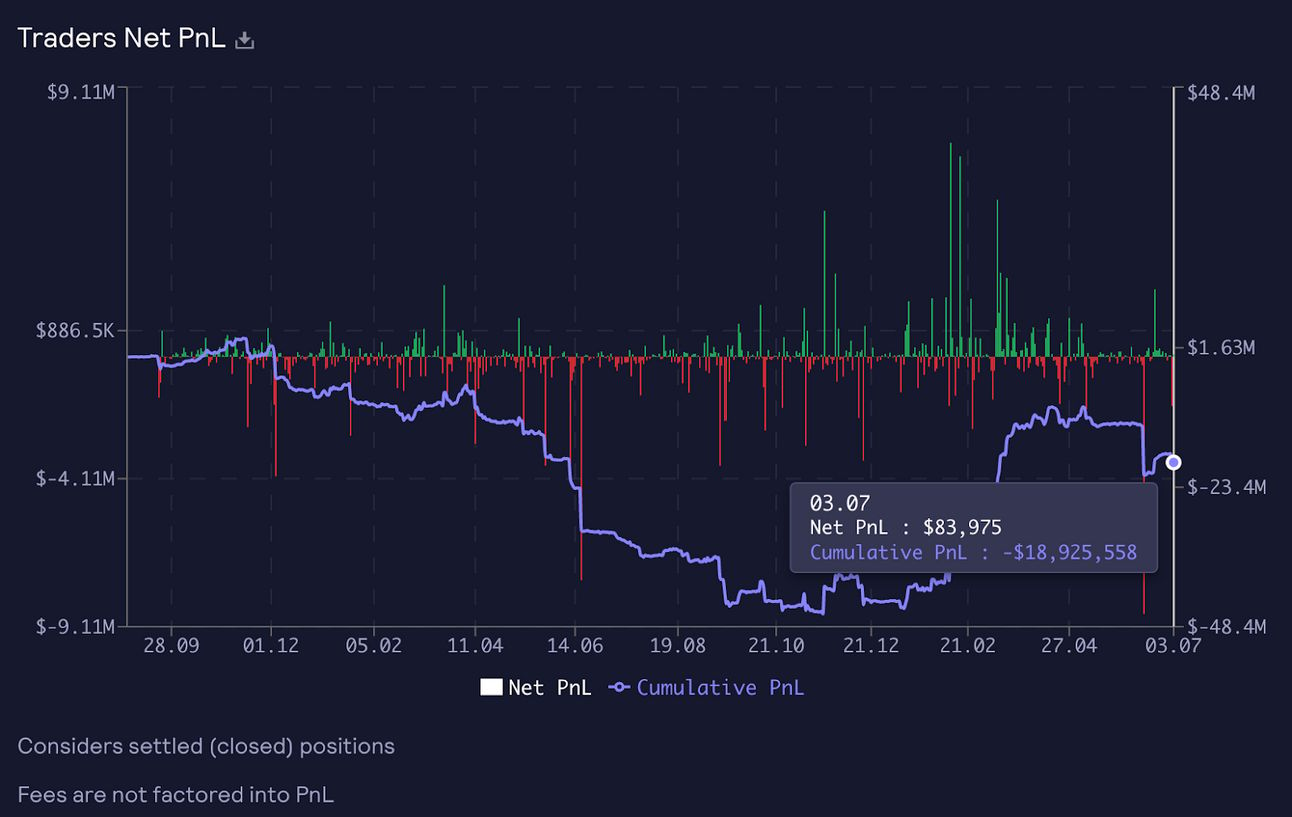
Of course, no yield is ever truly risk-free. With GLP, your biggest exposures are twofold: you’re effectively betting against the traders on GMX (since you are their counterparty), and you’re also exposed to fluctuations in the underlying asset basket. When traders win big, especially during sharp market moves, GLP holders may see their share of the pool decrease in value. Similarly, if assets like ETH or BTC experience major drawdowns, your GLP holdings will reflect those losses.
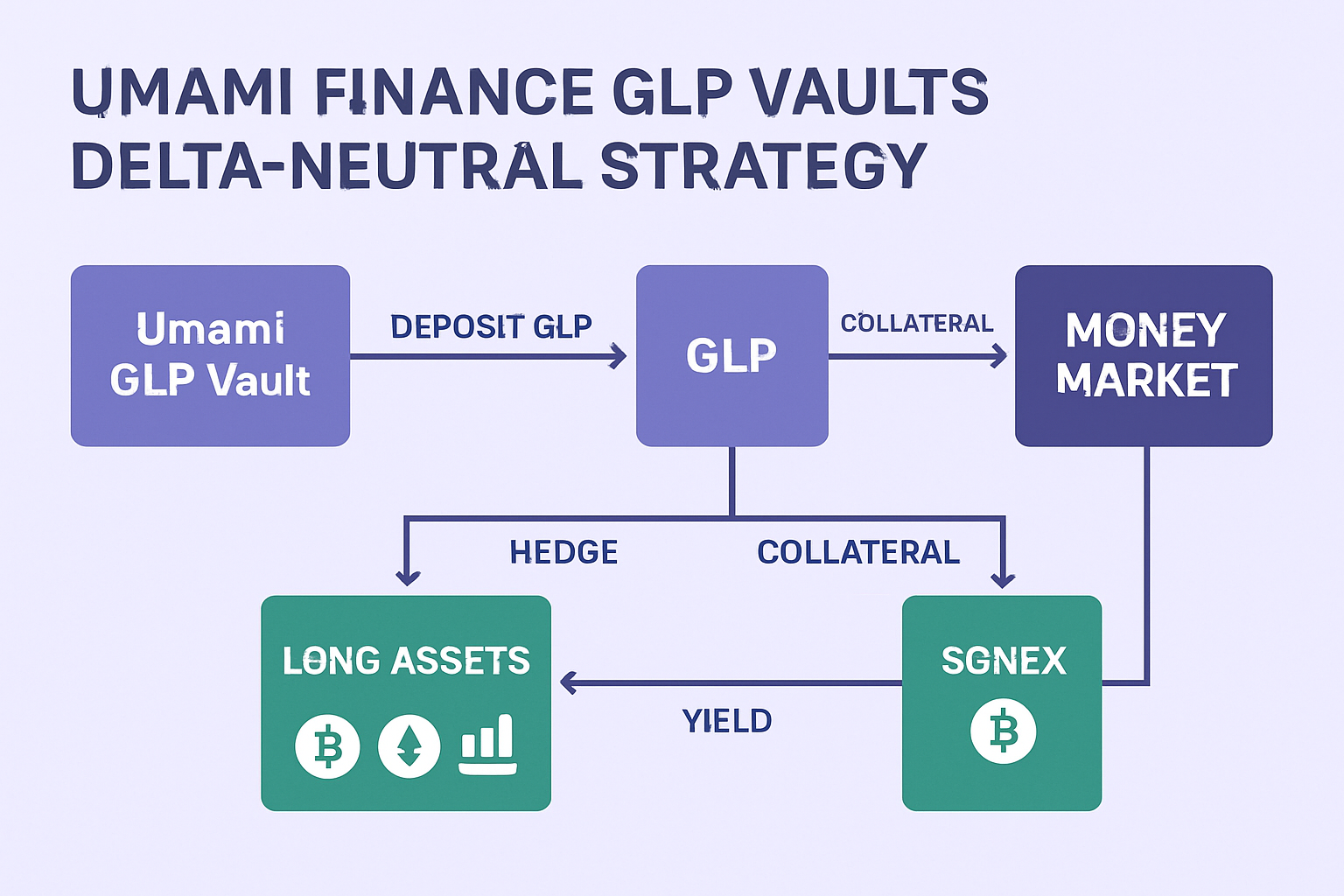
This is where advanced liquidity provider strategies come into play. Many users choose to hedge their exposure using delta-neutral positions, such as shorting correlated assets or leveraging third-party vaults that automate risk management. Protocols like Umami have even built products specifically designed to help LPs earn sustainable DeFi returns while minimizing downside risk through automated hedging (source).
Top 3 Ways to Manage Risk as a GLP Liquidity Provider
- 1. Diversify with Delta-Neutral StrategiesDelta-neutral strategies, such as using Umami Finance GLP Vaults, help hedge against price swings in GLP's underlying assets. By opening offsetting short positions, you can reduce your exposure to market volatility while still earning GLP yield.
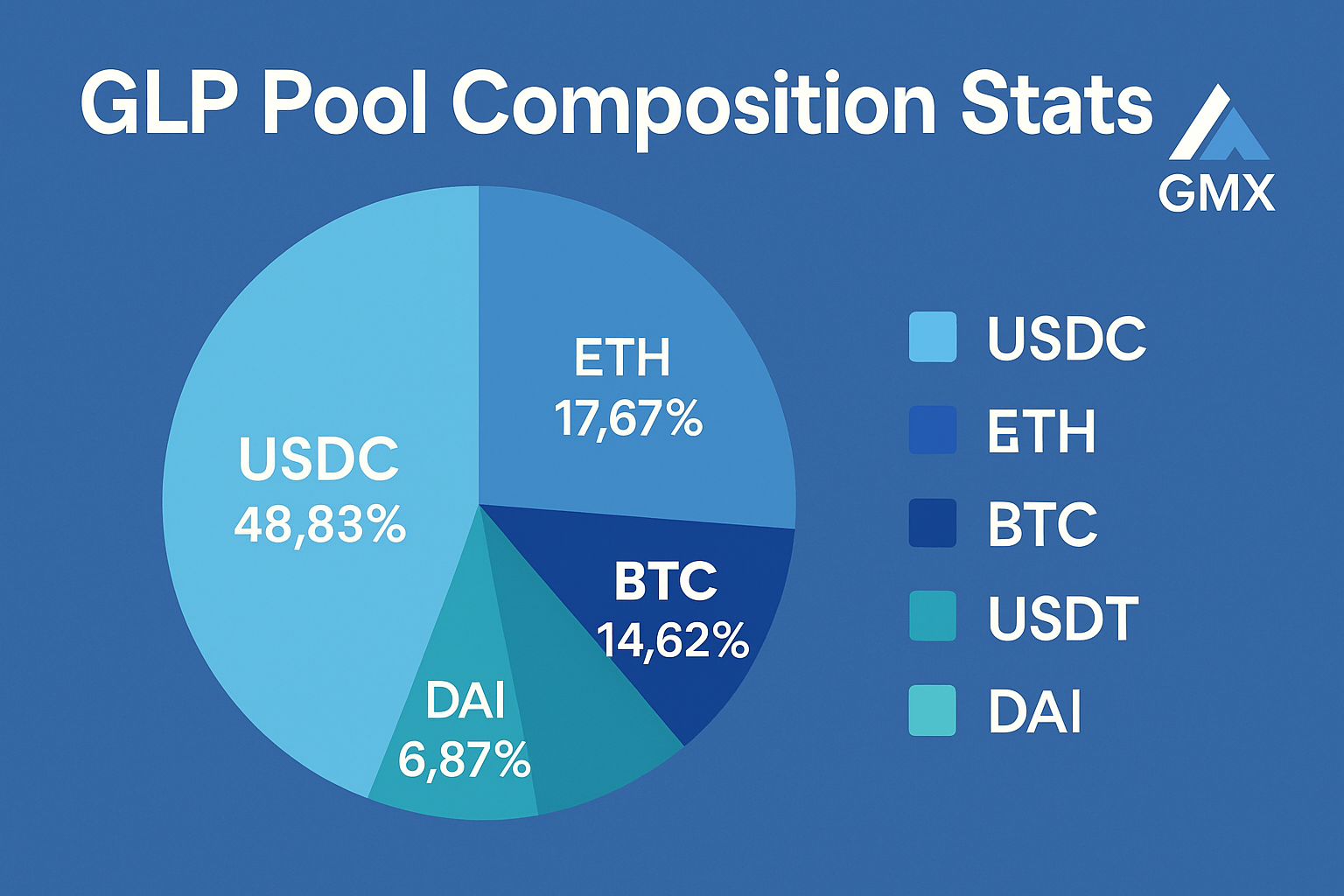
- 2. Monitor Asset Allocation and Rebalance RegularlyGLP is composed of assets like ETH, BTC, and stablecoins. Regularly review the GLP pool composition to ensure your exposure aligns with your risk tolerance. Rebalancing can help manage overexposure to any single asset, especially during periods of high volatility.
- 3. Stay Informed About Trader PnL and Platform MetricsSince GLP LPs act as counterparties to traders, periods of high trader profitability can impact your returns. Use resources like GMX Dashboard to track trader PnL, platform fees, and GLP APR. Staying updated helps you make timely decisions to adjust your position or claim rewards.
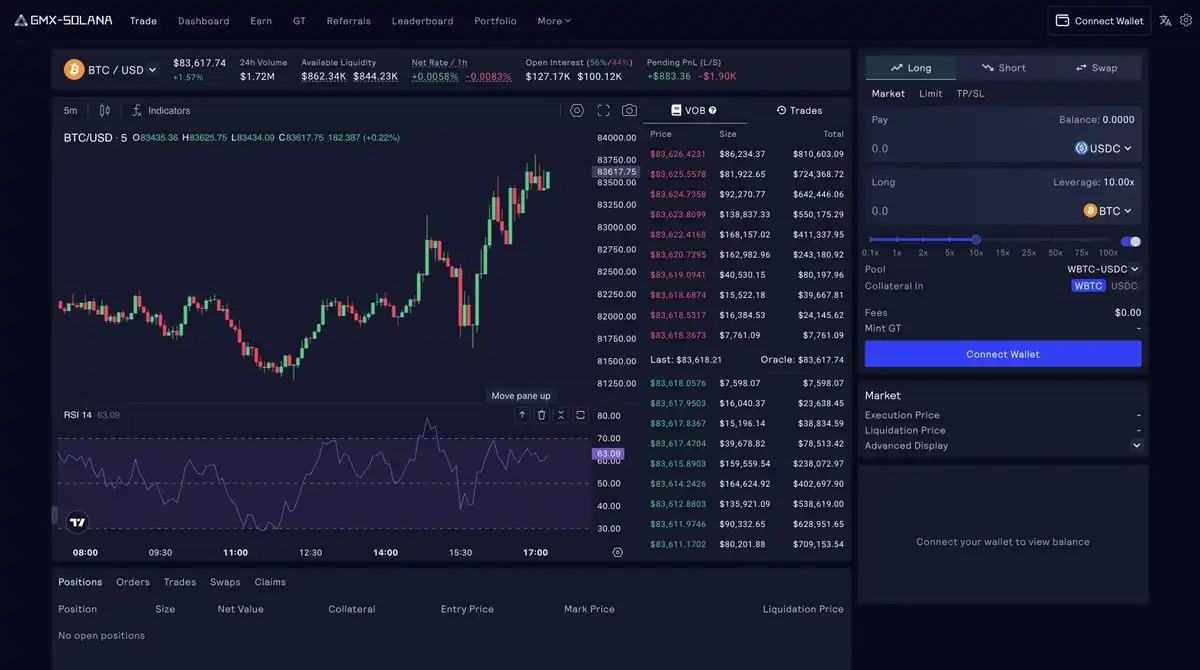
The beauty of this ecosystem is its flexibility. Whether you want simple exposure to an index of blue-chip crypto assets or prefer a more sophisticated, hedged approach, there’s room to tailor your strategy within GMX’s framework.
Community and Governance: The Power Behind Sustainable Yield
Sustainable yield isn’t just about fees and smart contracts, it’s also about community-driven governance and ongoing innovation. GMX’s success on Arbitrum has been amplified by active community participation in protocol upgrades and incentive programs. The recent deployment of funds from the Arbitrum DAO STIP grant is a testament to how collaborative governance can fuel both growth and resilience for DeFi protocols (source).
This strong alignment between stakeholders ensures that incentives remain balanced over time, supporting healthy liquidity depth and robust trading volumes even during periods of market uncertainty.
Looking Forward: Is Now the Time for GLP?
With GMX currently priced at $10.83, some investors see an attractive entry point given the protocol’s consistent fee generation and deep liquidity reserves. As always in DeFi, timing matters, but so does conviction in the underlying model. If you believe in real yield powered by genuine trading activity (as opposed to fleeting emissions), then providing liquidity via GLP could be one of Arbitrum’s most resilient plays moving forward.
The future of sustainable DeFi returns will likely be shaped by protocols that prioritize transparency, diversification, and active community engagement, qualities that GMX continues to exemplify as it evolves its product suite.



No comments yet. Be the first to share your thoughts!