Arbitrum DeFi 2026 landscape overview
Arbitrum holds 31% of all Layer 2 DeFi liquidity, commanding $2.8 billion in total value locked (TVL) in 2026. While this figure represents a contraction from its 2024 peak, it remains the dominant force in the L2 sector, providing the deep liquidity pools necessary for the high-yield strategies detailed in this guide. This market position is not accidental; it is the result of a deliberate architectural shift toward the Nitro stack and a series of critical protocol upgrades that have stabilized the network for institutional and retail participants alike.
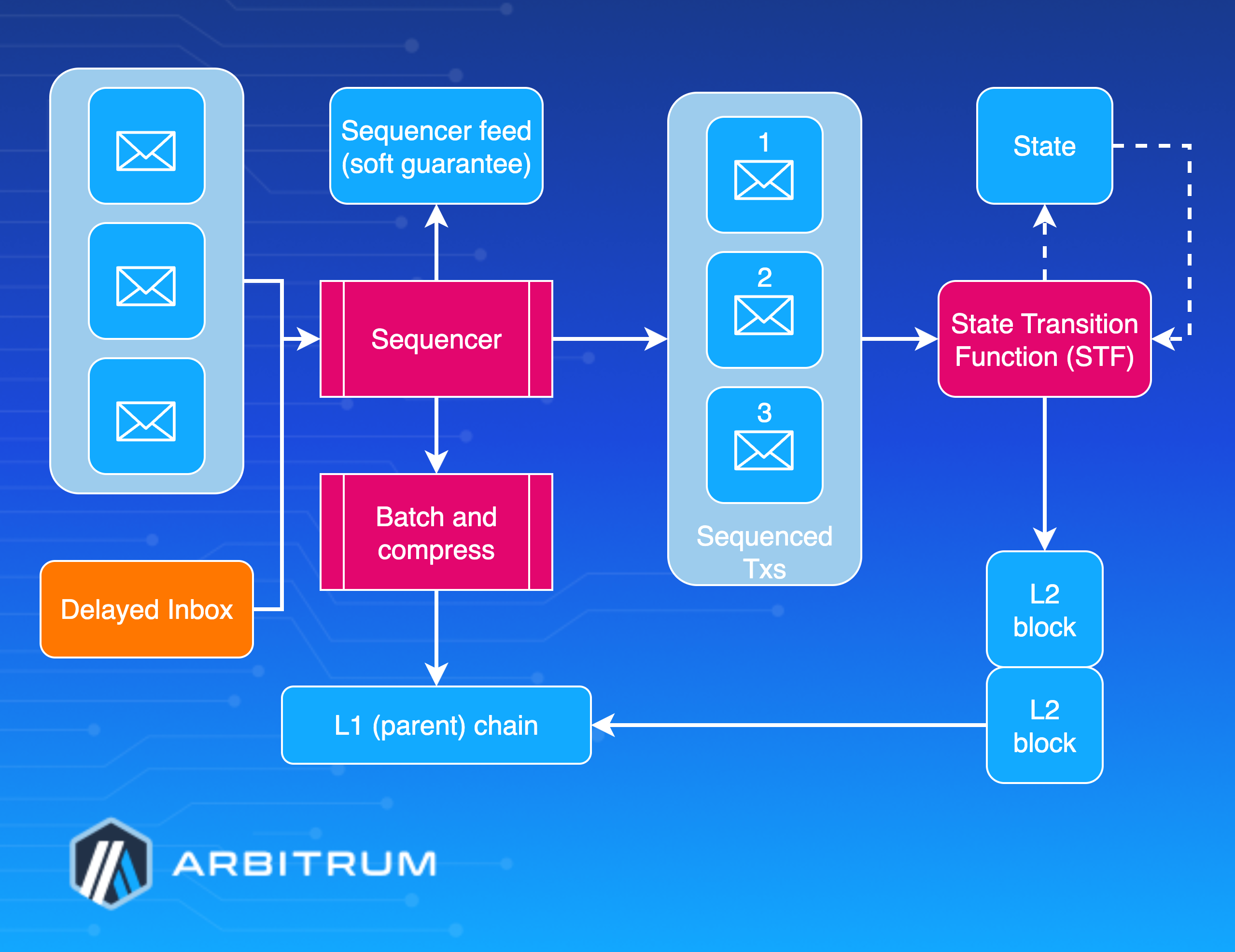
The foundation of this liquidity is the Nitro architecture, which replaced the legacy fraud-proof system with a more efficient, EVM-equivalent engine. Nitro drastically reduced transaction costs and improved block times, making Arbitrum the preferred chain for complex DeFi interactions. By lowering the gas friction that previously hindered high-frequency trading and yield farming, Nitro allowed Arbitrum to capture the majority of L2 market share. The network now processes transactions at a fraction of the cost of Ethereum mainnet while maintaining the same security guarantees through optimistic rollups.
In early 2026, the deployment of ArbOS 51 "Dia" marked a significant milestone for the ecosystem. This update introduced critical enhancements to the state trie structure and improved cross-chain messaging efficiency. These technical improvements have directly supported the growth of decentralized exchanges and lending protocols, ensuring that the $2.8 billion in TVL is not just static capital but actively circulating liquidity. The combination of Nitro's efficiency and ArbOS 51's stability has created a resilient environment for the five yield strategies that follow.
5 Arbitrum DeFi 2026: Top 5 Yield Strategies for the Nitro Era
The Nitro upgrade redefined transaction costs and throughput, setting the stage for Arbitrum DeFi 2026 to dominate high-yield opportunities. We identify the top five strategies that leverage this infrastructure for sustainable returns.
1. Concentrated Liquidity on Camelot
Camelot, the native DEX on Arbitrum, leverages concentrated liquidity mechanics to maximize capital efficiency. By allowing liquidity providers to specify price ranges, users can earn higher fees per unit of capital compared to traditional constant-product AMMs. In 2026, Camelot’s fee distribution model rewards active LPs who manage their positions within tight bands around the current market price. This strategy requires active monitoring but offers superior yields for volatile trading pairs like ARB/ETH.
2. Staking ARB for Governance and Rewards
Holding and staking ARB tokens provides a baseline yield through the protocol’s incentive programs. In 2026, the staking mechanism has evolved to offer tiered rewards based on lock-up duration and delegation to active validators. This strategy is ideal for long-term holders seeking passive income with minimal technical overhead. The yield is derived from transaction fee sharing and protocol emissions, providing a steady return stream that outperforms standard savings accounts in traditional finance.
3. Lending on Aave and Radiant
Lending protocols like Aave and Radiant allow users to supply idle assets to earn interest from borrowers. Arbitrum’s low gas fees make micro-lending positions viable, enabling users to diversify across multiple assets with small capital allocations. In 2026, over-collateralized lending remains the dominant model, but under-collateralized lending via credit protocols is gaining traction. Users must carefully assess the health factors of their positions to avoid liquidation during market downturns.
4. Yield Farming on GMX
GMX remains the premier perpetual exchange on Arbitrum, offering unique yield opportunities through its GLP and GM tokens. LPs in GLP earn fees from trading activity and liquidations, while benefiting from the diversified basket of assets in the pool. This strategy provides exposure to both trading volume and asset appreciation. The risk profile is higher due to impermanent loss and smart contract risk, but the historical yields have consistently outperformed other DeFi sectors on the network.
5. Cross-Chain Bridging and Arbitrage
With Arbitrum’s deep liquidity, arbitrage opportunities arise when prices diverge from Ethereum mainnet or other L2s. Tools like Stargate and LayerZero facilitate efficient cross-chain transfers, allowing traders to capitalize on these spreads. This strategy requires sophisticated tracking of price feeds and gas costs across chains. While risky and technically demanding, successful arbitrageurs can generate significant returns by exploiting temporary market inefficiencies.
Risk management and final considerations
Use this section to make the Arbitrum DeFi decision easier to compare in real life, not just on paper. Start with the reader's actual constraint, then separate must-have requirements from details that are merely nice to have. A practical choice should survive normal use, maintenance, timing, and budget. If a recommendation only works in an ideal situation, call that out plainly and give the reader a fallback path.
The simplest way to use this section is to write down the must-have criteria first, then compare each option against those criteria before weighing nice-to-have features.
Frequently asked questions about Arbitrum DeFi
What is the price prediction for Arbitrum in 2026?
Analysts forecast ARB could reach $1.50–$2.50 in 2026, depending on network adoption and Ethereum’s scaling roadmap. These estimates assume continued growth in Arbitrum DeFi TVL and successful Nitro-era upgrades. While some optimistic models suggest higher multiples, market volatility and regulatory shifts remain significant risks for investors.
How does the Nitro upgrade change Arbitrum DeFi performance?
The Nitro upgrade replaces the fraud-proof system with a modular stack, enabling faster finality and lower gas fees. This technical shift allows Arbitrum DeFi protocols to execute complex transactions more efficiently, attracting institutional liquidity and reducing slippage for high-frequency traders.
Is Arbitrum DeFi 2026 a safe investment?
DeFi investments on Arbitrum carry high risk due to smart contract vulnerabilities and market volatility. While the network’s security model inherits Ethereum’s robustness, users must audit protocols carefully. Official documentation from Arbitrum provides technical details on risk mitigation, but no asset is entirely risk-free.
What are the top yield strategies for Arbitrum in 2026?
Leading strategies include liquidity provision on GMX and Camelot, staking ARB for governance rewards, and yield farming on Aave. Each approach balances risk and return differently, with liquidity provision offering higher yields but greater impermanent loss exposure.
Helpful gear
Use these product recommendations as a starting point, then choose the size, material, and price point that fit how you actually use the gear.



As an Amazon Associate, we may earn from qualifying purchases.
No comments yet. Be the first to share your thoughts!