

In the ever-evolving Arbitrum ecosystem, where capital efficiency meets high-yield incentives, leveraged looping on Aave V3 stands out as a powerhouse strategy for farming ARB rewards. With ARB trading at $0.1109 as of February 10,2026, following a modest 24-hour gain of and $0.000370 ( and 0.003300%), savvy traders are recalibrating positions post-DRIP Season 1. This program, which wrapped up its inaugural run emphasizing recursive borrowing, unlocked unprecedented liquidity depths on lending protocols. Now, even as incentives evolve, the mechanics remain a blueprint for amplifying ETH yields through strategic debt cycles.
Arbitrum DRIP Aave strategies thrive on this foundation: deposit ETH, borrow against it in loops, and harvest compounded returns. But success hinges on grasping net lending calculations, where borrowed WETH deducts from your supplied balance for reward eligibility. This nuance, highlighted in Layer3 analyses, ensures you're not just looping blindly but optimizing for protocol-agnostic ARB emissions. In my view, with broader economic cycles favoring risk assets amid potential rate cuts, these positions align macro tailwinds with micro efficiencies.
DRIP's Core Loop: From ETH Deposit to Reward Amplification
Leverage looping, or recursive borrowing, forms the heartbeat of Arbitrum's $40M DRIP initiative. You start by supplying ETH as collateral on Aave V3, tap into its liquid staking derivatives or direct WETH pairs, then borrow stablecoins or more ETH against that position. Redeploy the borrowed assets as new collateral, rinse, and repeat. Each iteration boosts your net lending position, the metric DRIP rewards based on borrowing volume per epoch.
The more you borrow (and loop) during each epoch, the more ARB rewards you can earn.
This performance-based model, per the Arbitrum Blog, sidesteps flat airdrops for sustainable growth. Post-Season 1, Aave's net lending on Arbitrum surged, driven by yield-bearing loops. Yet, Reddit threads caution on borrow rate volatility: a spike from 2% to 5% can erode margins fast. My strategic take? Cap loops at 4-5x leverage initially, monitoring health factors above 1.8 to weather ETH's swings.
Efficiency Mode Unlocks Higher Borrowing Thresholds
Aave V3's Efficiency Mode (E-Mode) supercharges Arbitrum DRIP Aave strategies for correlated assets like ETH and its wrappers. Normally, ETH collateral offers around 80% loan-to-value (LTV), but E-Mode bumps this to 97% for single-category borrows, slashing liquidation risks. Pair this with yield-bearing ETH variants, and you're double-dipping: base staking APY plus looped DRIP ARB.
Consider a $10,000 ETH deposit at $0.1109 ARB contextually low, enabling macro positioning. Borrow 90% in USDC, repay into new ETH supply, loop thrice. Result? Exposure rivals 5x perps without exchange fees, all while farming ARB rewards on Aave. Blockworks notes this capital efficiency as DRIP's edge, fostering deeper markets.
Arbitrum (ARB) Price Prediction 2027-2032
Bullish DeFi adoption forecasts from 2026 base of $0.1109, driven by DRIP looping strategies on Aave V3
| Year | Minimum Price | Average Price | Maximum Price | YoY % Change (Avg) |
|---|---|---|---|---|
| 2027 | $0.10 | $0.30 | $0.70 | +171% |
| 2028 | $0.20 | $0.55 | $1.40 | +83% |
| 2029 | $0.35 | $0.90 | $2.20 | +64% |
| 2030 | $0.50 | $1.40 | $3.00 | +56% |
| 2031 | $0.80 | $2.10 | $4.50 | +50% |
| 2032 | $1.20 | $3.20 | $6.50 | +52% |
Price Prediction Summary
ARB is poised for strong growth amid DeFi renaissance on Arbitrum, with DRIP incentives boosting TVL via leveraged ETH positions on Aave V3. Average prices projected to rise from $0.30 in 2027 to $3.20 by 2032 (28x from 2026 base), reflecting bullish adoption, market cycles, and ecosystem expansion. Min/Max capture bearish corrections and euphoric peaks.
Key Factors Affecting Arbitrum Price
- DRIP program success driving leveraged looping and capital efficiency
- Rising DeFi TVL on Arbitrum through Aave V3 E-Mode strategies
- Ethereum L2 scaling synergies and technology upgrades
- Post-2028 Bitcoin halving bull market cycle
- Regulatory clarity favoring DeFi innovation
- Competition from other L2s and overall crypto market cap expansion
Disclaimer: Cryptocurrency price predictions are speculative and based on current market analysis. Actual prices may vary significantly due to market volatility, regulatory changes, and other factors. Always do your own research before making investment decisions.
Crafting Leveraged ETH Positions: Risk-Adjusted Entry Points
ETH leveraged yields Arbitrum DRIP demand precision. Begin with wallet setup on Arbitrum One, bridging ETH via official portals. On Aave app, enable E-Mode for ETH category. Supply initial ETH, borrow conservatively at 70% LTV to test rates. Health factor? Aim 2.0 and ; use DeFi Saver for auto-repays if dipping.
Real-world case: Binance studies looped syrupUSDC analogs, but ETH shines for volatility premium. At current $0.1109 ARB, rewards compound favorably against borrow costs hovering 3-4%. Governance forums recap Season 1 growth from such plays, though only a fraction looped optimally. Strategically, layer in stop-losses via oracles, aligning with my forest-view: DeFi cycles reward patient capital over chasers.
Next, we'll dive into reproducible loops, rate simulations, and exit tactics to lock gains before rates flip.
Reproducible loops demand precision, turning theory into executable plays. A practical 4x ETH loop on Aave V3 starts with $10,000 ETH supplied, borrowing USDC at 82.5% LTV in E-Mode, swapping to ETH, and resupplying until health factor stabilizes near 1.9. Tools like DeFi Saver automate deleveraging, while flash loans from Balancer can seed initial cycles without upfront capital drag. Post-DRIP Season 1, these mechanics persist for organic yields, as Aave's borrow rates on Arbitrum hover at 3.2% for WETH, per latest dashboards.
4x Leveraged ETH Looping Mastery: Bridge, E-Mode & Loop on Aave V3 Arbitrum
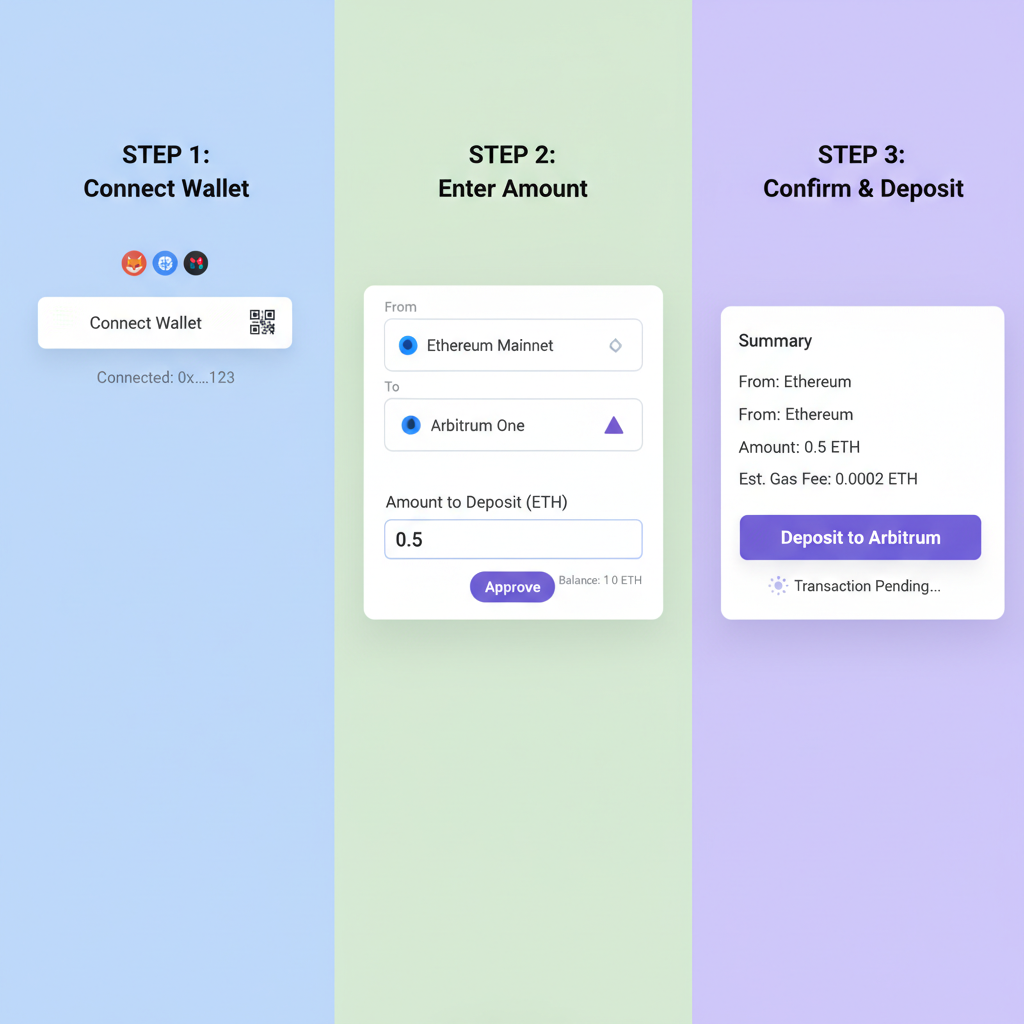
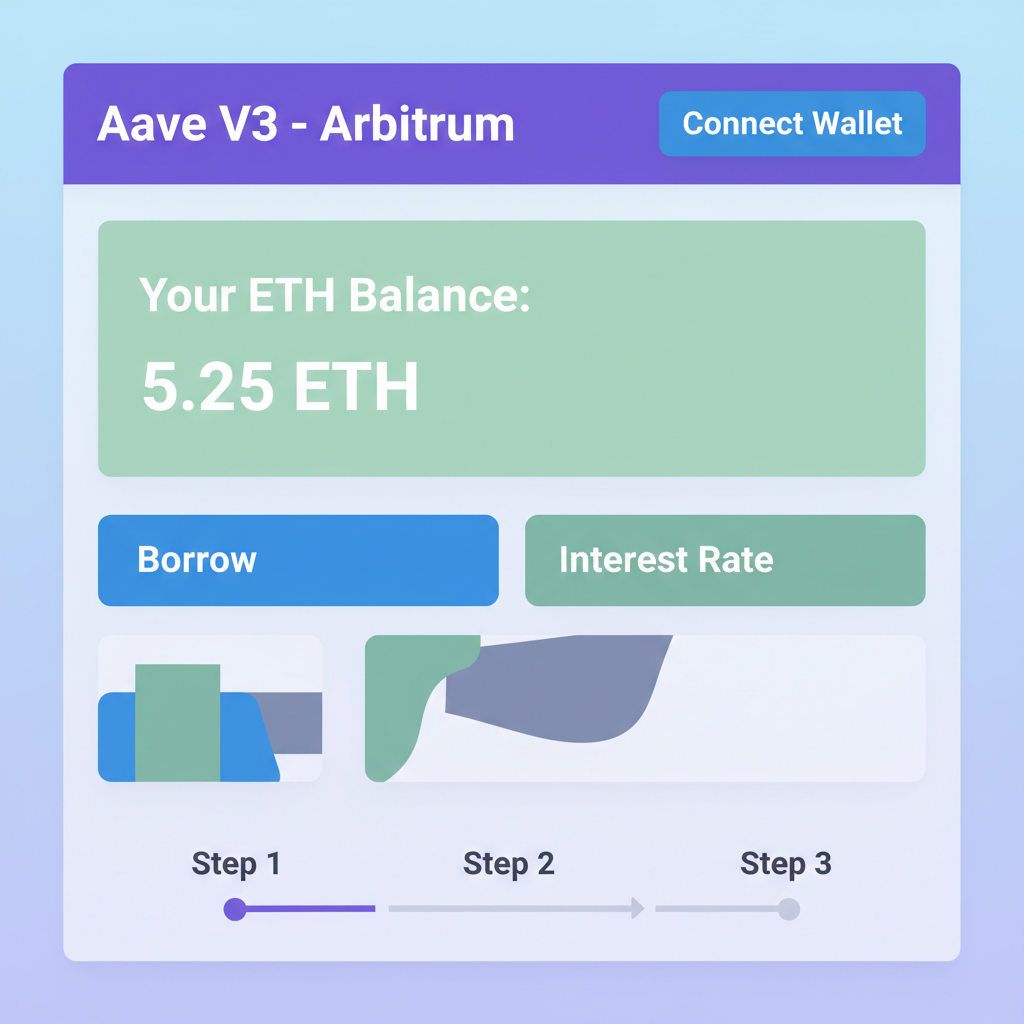
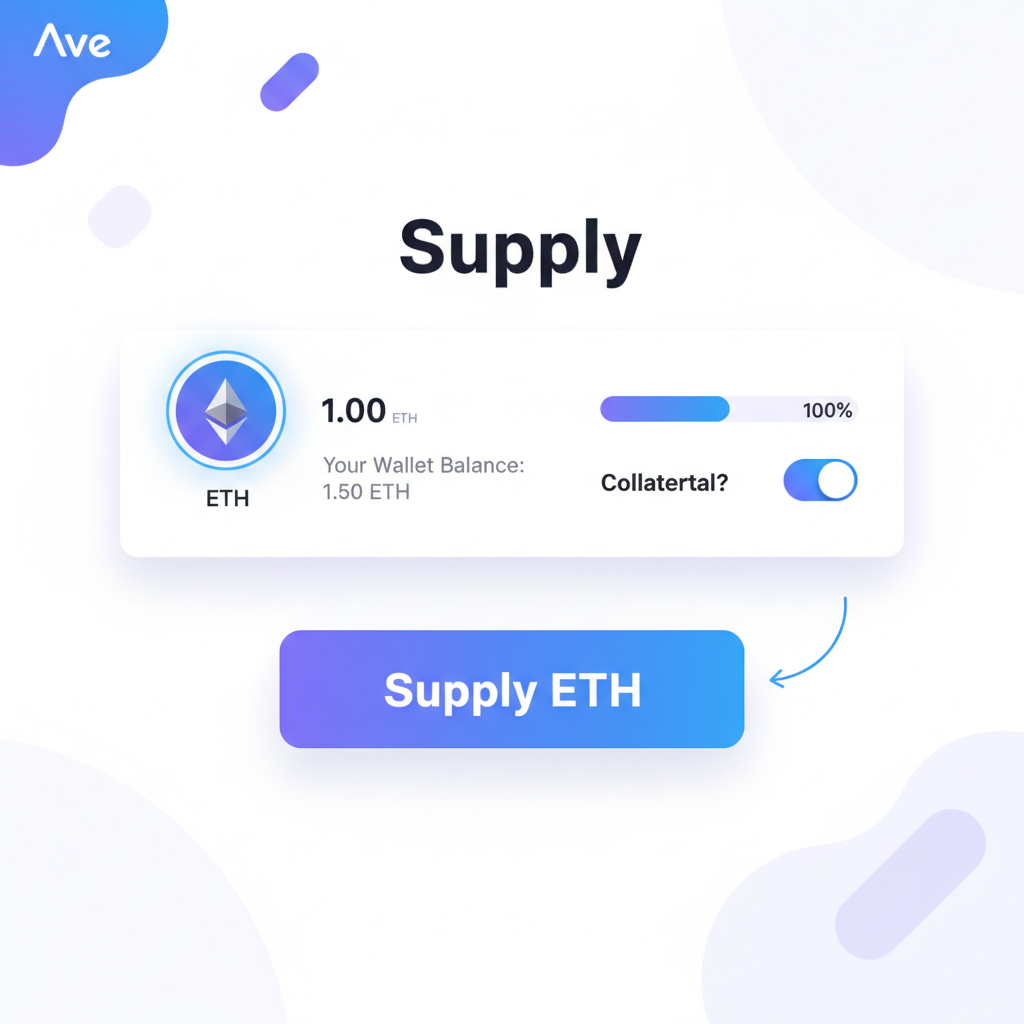
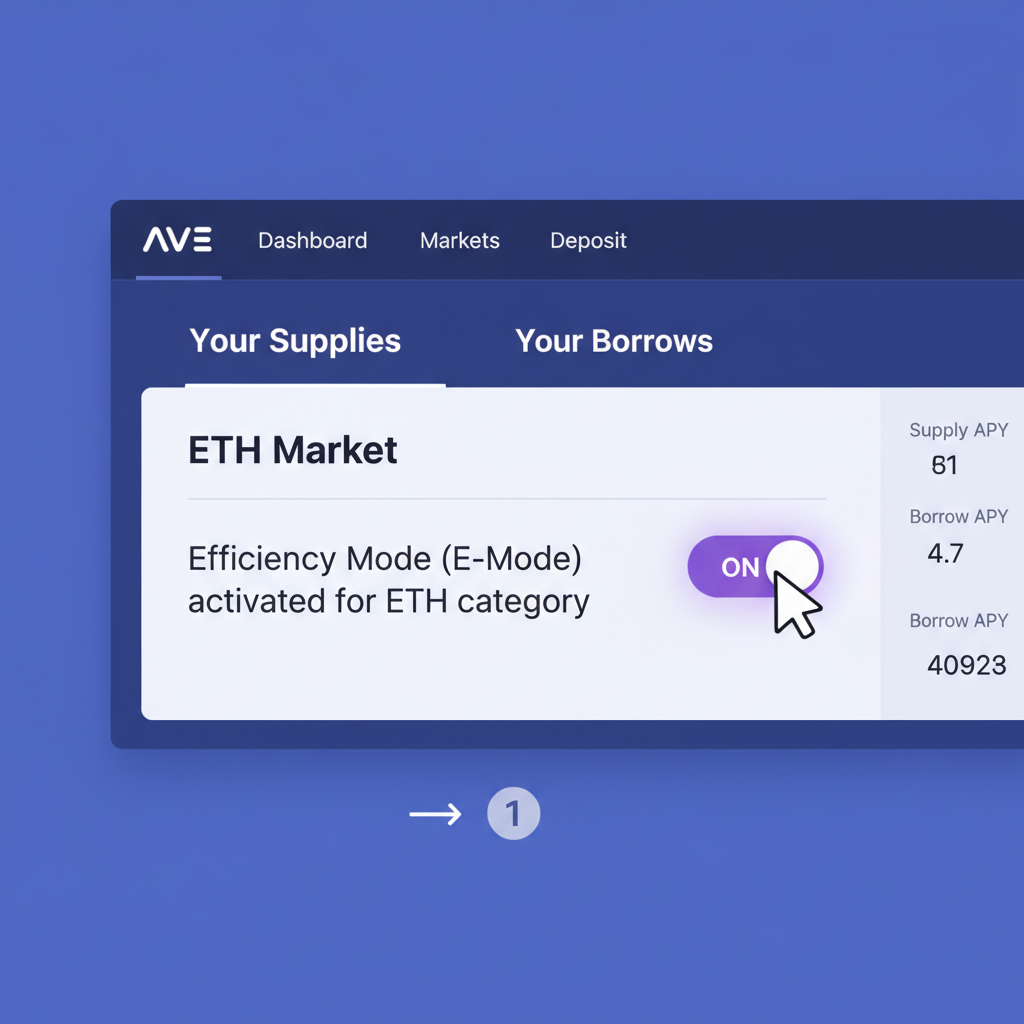
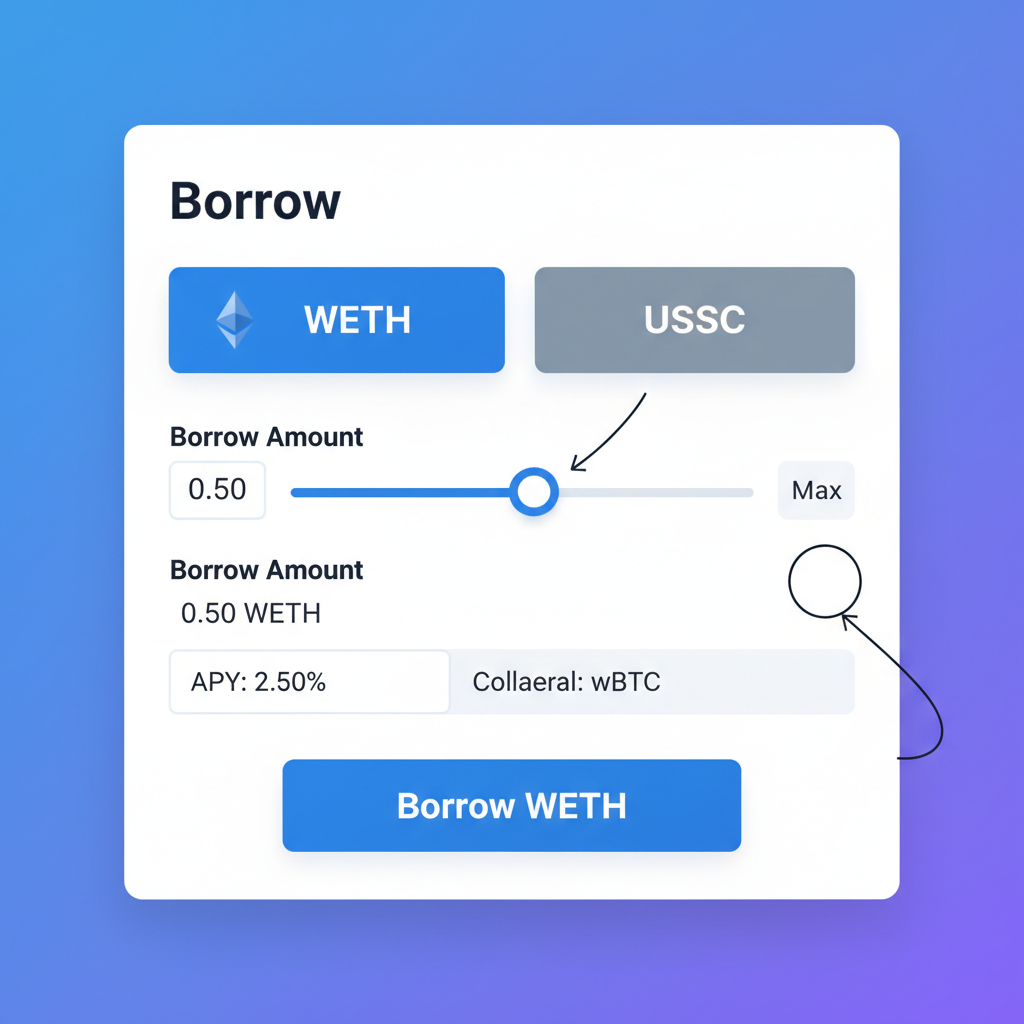
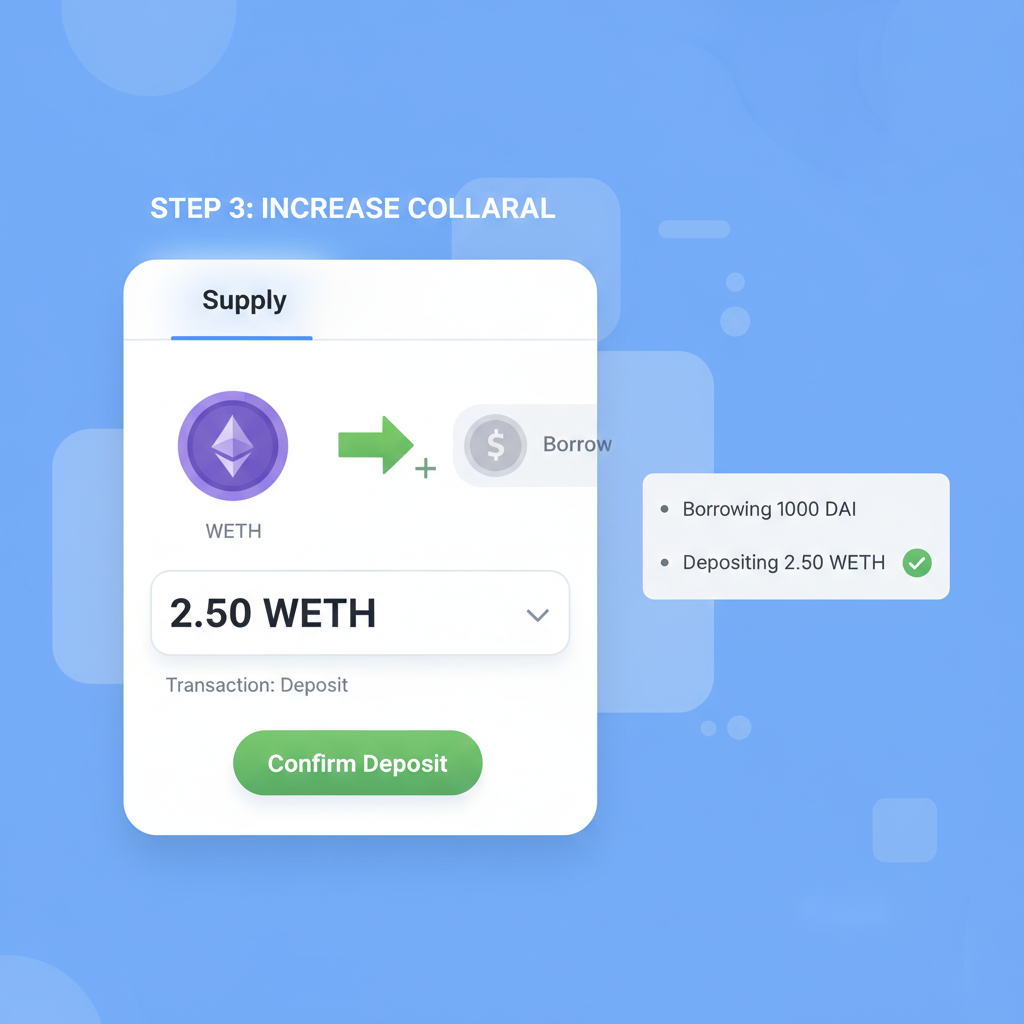
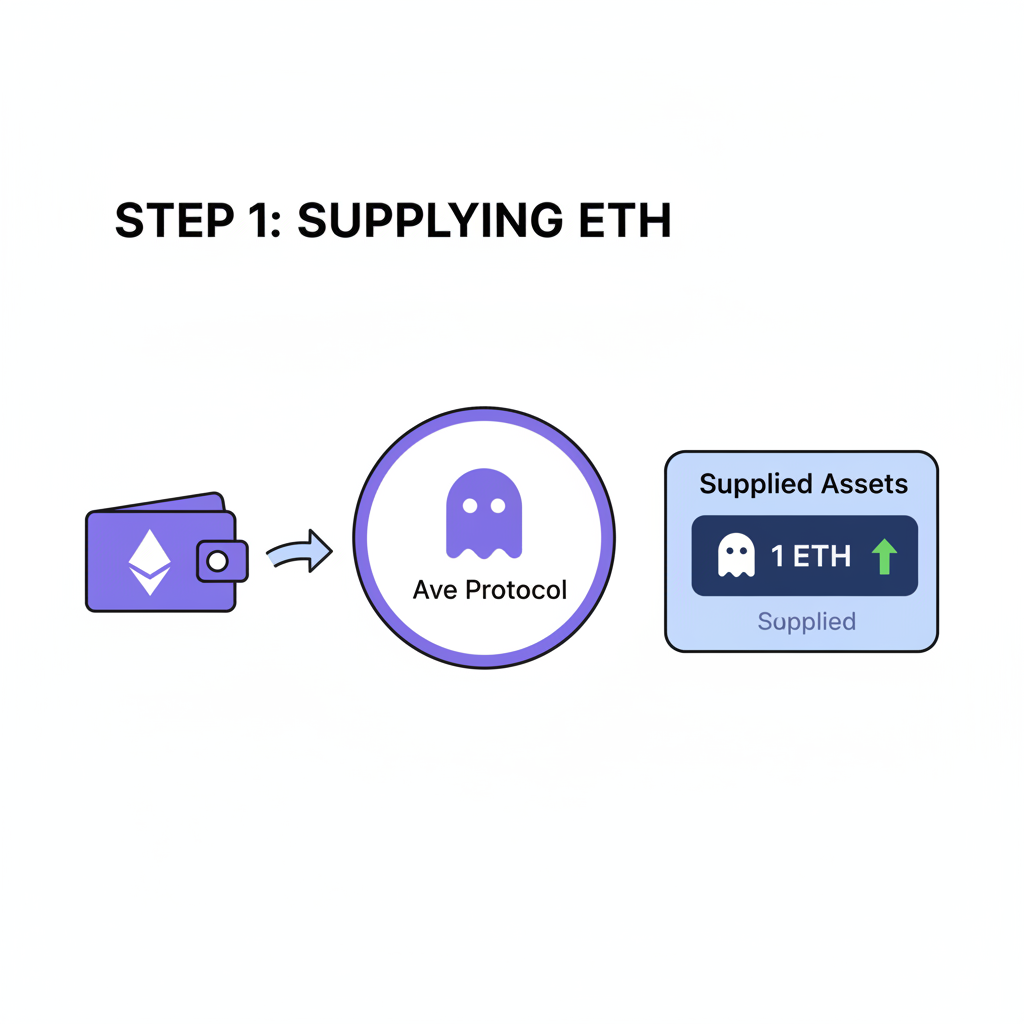
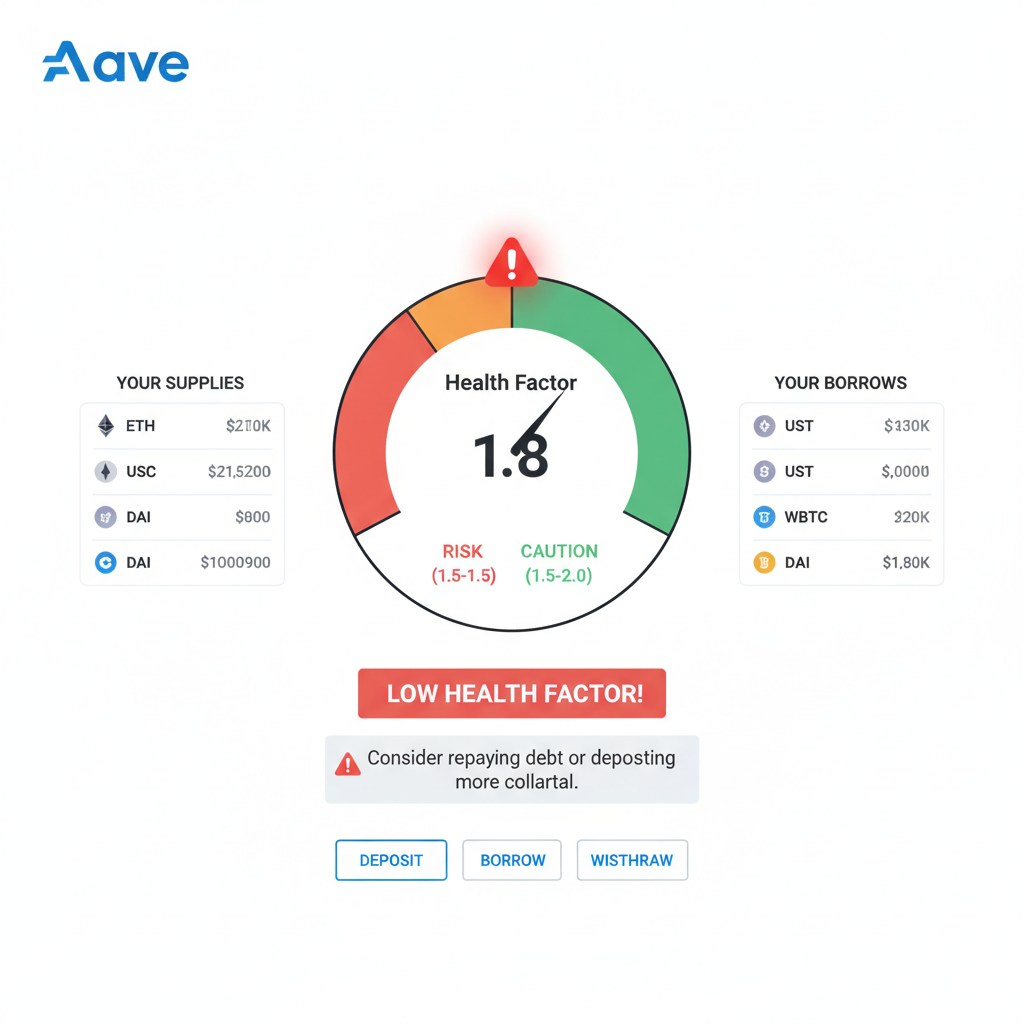
Simulations reveal the edge. At current borrow rates, a 4x loop yields 12-15% effective APY on ETH exposure, blending 4% base lending with residual protocol emissions. But scale to 6x, and a 2% rate hike slashes it to 8%, underscoring Reddit's volatility warnings. My macro lens favors entry when ETH correlates with ARB's $0.1109 stability, signaling ecosystem health amid 24-hour gains of and $0.000370 ( and 0.003300%).
Risk Calibration: Beyond the Loop
ETH leveraged yields Arbitrum DRIP strategies amplify upside but court liquidation cascades. Primary threats: oracle divergences, where Chainlink lags flip health factors; borrow spikes from mass deleveraging; and collateral volatility if ETH dumps 20%. Governance recaps note Season 1's growth stemmed from yield-bearing loops, yet suboptimal execution left many exposed. Counter with diversified borrows - 50% USDC, 50% WETH - and position sizing under 10% portfolio. In economic cycles, these setups shine during liquidity floods, not tightening phases.
Exit tactics seal profits. Monitor composite stability fees; if borrow APY exceeds lending by 1.5%, unwind sequentially from outermost loops. Use limit orders on Uniswap for collateral ramps, or migrate to Morpho for tighter spreads post-loop, as explored in epoch-specific guides. Tally's 2025 wrap emphasizes sustainability, rewarding loops that endure beyond incentives.


Post-DRIP Landscape: Sustainable Yield Plays
With DRIP Season 1 concluded, Aave V3 looping evolves into pure capital efficiency. Net lending remains king for any lingering emissions, while E-Mode cements Arbitrum's lending dominance. Binance case studies on syrupUSDC proxies translate seamlessly to ETH, targeting 10-20% annualized returns net of costs. X threads simplify it: deposit, borrow recursively, compound. Yet, my strategic read prioritizes forest over trees - pair these with ARB holdings at $0.1109, as DeFi TVL growth telegraphs network revaluation. Fluctuating rates demand vigilance, but aligned with rate-cut cycles, leveraged ETH positions fortify portfolios against fiat erosion.
Arbitrum lending looping guides like this position you ahead. Scale deliberately, simulate relentlessly, and harvest where efficiency meets opportunity. In a macro favoring on-chain leverage, these loops aren't just tactics; they're ecosystem multipliers.




No comments yet. Be the first to share your thoughts!