
Arbitrum One leads Orbit in security
When deploying capital for high-stakes yield, the security model is the primary differentiator between Arbitrum One and Orbit chains. Arbitrum One inherits its security directly from Ethereum. It operates as a Layer 2 rollup, meaning its state transitions are validated against Ethereum's mainnet consensus. This shared security model ensures that the same decentralized validator set protecting Ethereum's $200 billion+ ecosystem also secures Arbitrum One. As the official Arbitrum documentation notes, it offers "similar security properties to Ethereum" while providing faster transaction speeds and lower costs.
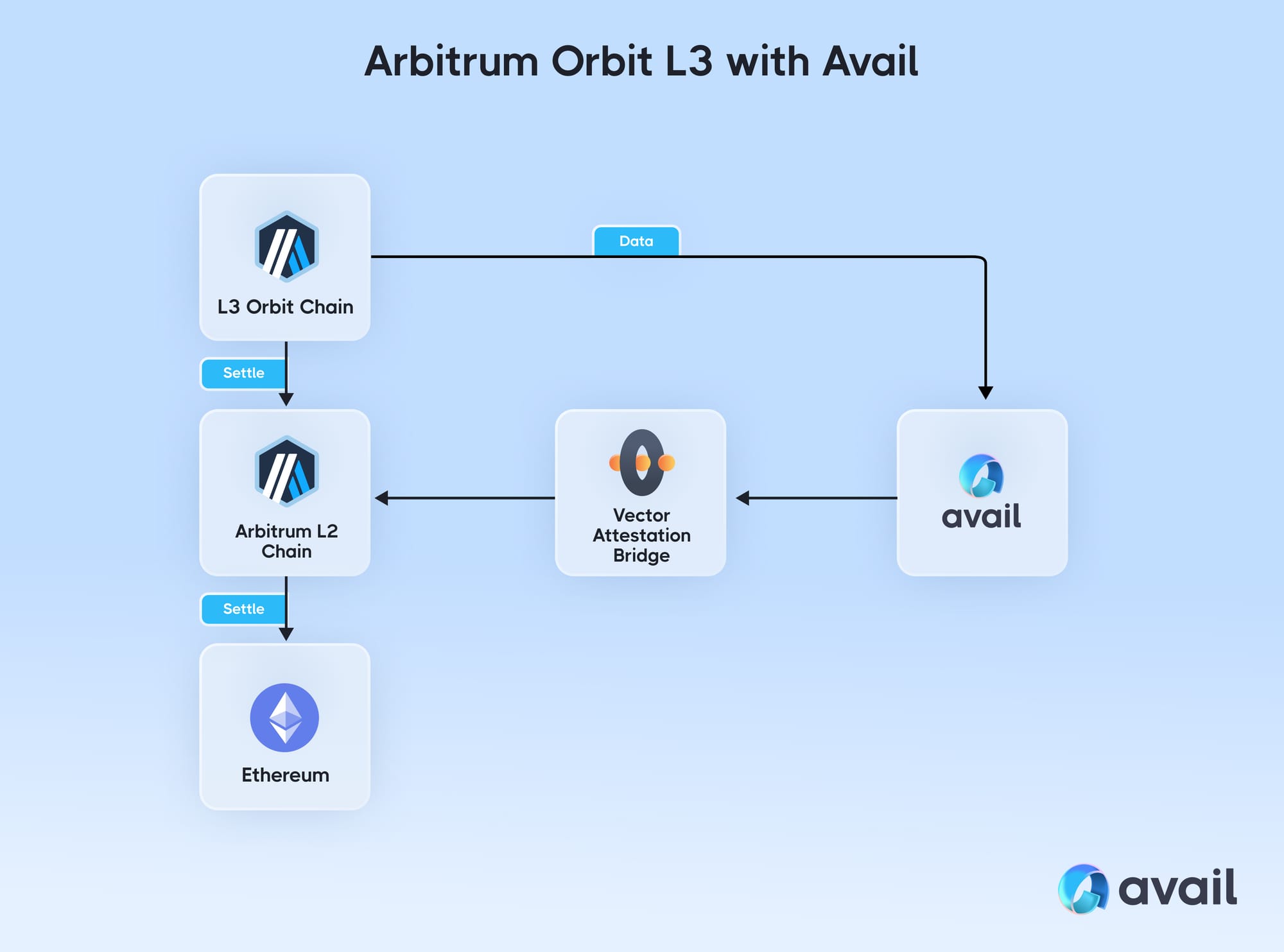
Orbit chains, by contrast, are built using the Arbitrum Orbit toolkit to create custom Layer 3 networks. While they benefit from the technical infrastructure of the Arbitrum stack, they do not inherit Ethereum's security by default. Instead, Orbit chains rely on their own independent validator sets. This creates a distinct trust assumption: users must trust the specific validator committee of the Orbit chain rather than the broader Ethereum network. For yield strategies involving large principal amounts, this separation introduces a higher risk surface, as the security of the Orbit chain is only as strong as its specific validator configuration.
The difference in security architecture fundamentally changes the risk profile for institutional and high-net-worth participants. Arbitrum One's integration with Ethereum's settlement layer provides a robust, battle-tested security guarantee that Orbit chains currently lack. Orbit chains offer flexibility and customization, but they require additional due diligence to verify the integrity of their independent validator sets. For yield seekers where capital preservation is paramount, the shared security of Arbitrum One remains the superior choice.
| Feature | Arbitrum One | Orbit Chains |
|---|---|---|
| Security Model | Inherits Ethereum's security | Independent validator sets |
| Settlement Layer | Ethereum Mainnet | Configurable (often Arbitrum One) |
| Trust Assumption | Ethereum's decentralized validators | Specific Orbit chain validators |
| Best For | High-stakes yield, institutional capital | Custom apps, specific use cases |
Transaction speed and cost choices that change the plan
When choosing between Arbitrum One and Orbit chains, the decision often comes down to whether you prioritize consistent, low-cost execution or specialized throughput. Arbitrum One operates as a general-purpose Layer 2, designed to handle Ethereum-compatible smart contracts with predictable efficiency. Orbit chains, by contrast, are customizable L3 solutions built on the Arbitrum Orbit stack, allowing developers to tailor gas tokens, data availability, and finality mechanisms to specific needs.
For most DeFi applications, Arbitrum One offers a reliable baseline. Transactions are fast and fees remain low, making it suitable for trading, lending, and NFTs. Orbit chains can achieve higher speeds in niche use cases—such as gaming or high-frequency trading—by optimizing their specific parameters. However, this comes with trade-offs: custom chains may have less liquidity, higher complexity for users, and varying levels of security depending on how they handle data availability.
The table below compares key performance metrics for scanning purposes. Note that Orbit chain metrics can vary significantly based on configuration.
| Metric | Arbitrum One | Orbit Chain (Typical) |
|---|
For developers building these specialized applications, security audits are non-negotiable. Ensure your smart contracts are rigorously tested, especially when handling custom token flows. Consider using hardware wallets for treasury management to mitigate key exposure risks during deployment.
Final Verdict: Arbitrum One Remains the Core Choice
Arbitrum One continues to serve as the primary settlement layer for Ethereum-compatible applications, offering a distinct advantage over standalone Orbit chains for most use cases. While Orbit chains provide specialized infrastructure for specific high-throughput needs, they often sacrifice the deep liquidity and network effects that Arbitrum One provides natively. For yield farmers and active traders, the ability to access a unified pool of liquidity without bridging friction is the deciding factor.
The security model of Arbitrum One, backed by the Arbitrum Foundation, offers a more robust framework for long-term capital deployment. Orbit chains introduce additional complexity in governance and bridge security, which can increase exposure to smart contract risks. By staying on Arbitrum One, users benefit from the most battle-tested security audits and the highest concentration of decentralized finance (DeFi) protocols.
| Feature | Arbitrum One | Orbit Chains |
|---|---|---|
| Liquidity Depth | High (Unified pool) | Variable (Fragmented) |
| Security Model | Ethereum + Validity Proofs | Varies by chain |
| Bridge Risk | Low (Native) | Higher (Cross-chain) |
| Best For | DeFi, Trading, Yield | Niche Apps, Gaming |
For those prioritizing capital preservation and yield efficiency, Arbitrum One is the safer, more efficient choice. The ecosystem's maturity ensures that transactions are cheaper and faster than on Ethereum mainnet, while avoiding the fragmentation issues that plague smaller, isolated chains.


As an Amazon Associate, we may earn from qualifying purchases.
Arbitrum vs orbit: common: what to check next
Arbitrum One is the flagship general-purpose chain, designed for broad Ethereum compatibility and high security. Orbit chains are customizable rollups that developers can tailor for specific needs, such as high throughput or unique tokenomics, while still inheriting Arbitrum’s security model.
Is there a difference between Arbitrum and Arbitrum One?
Yes. "Arbitrum" refers to the broader ecosystem and technology, while "Arbitrum One" is the specific mainnet chain for general-purpose Ethereum applications. Arbitrum Nova is a separate Orbit chain optimized for social and gaming apps with lower fees but slightly different security assumptions.
Does Arbitrum have a future?
Arbitrum remains a leading Layer 2 solution with significant developer activity and total value locked. While price predictions vary, its long-term viability depends on maintaining its technological edge and adoption rate compared to emerging competitors in the rollup space.
Are Orbit chains secure?
Yes. Orbit chains derive their security from the underlying Arbitrum technology and Ethereum settlement layer. They do not need to build their own consensus mechanisms from scratch, reducing security risks while allowing for customization.
No comments yet. Be the first to share your thoughts!