

DeFi on Arbitrum is evolving at breakneck speed, and there’s one innovation that’s quietly rewriting the rules of capital efficiency: the Fluid Liquidity Layer. With deposits on Arbitrum recently crossing $380 million and Fluid’s unified liquidity system attracting nearly $2 billion in collateral, it’s clear that something special is happening. But what exactly is the Fluid Liquidity Layer, and why is it making waves across Arbitrum DeFi?
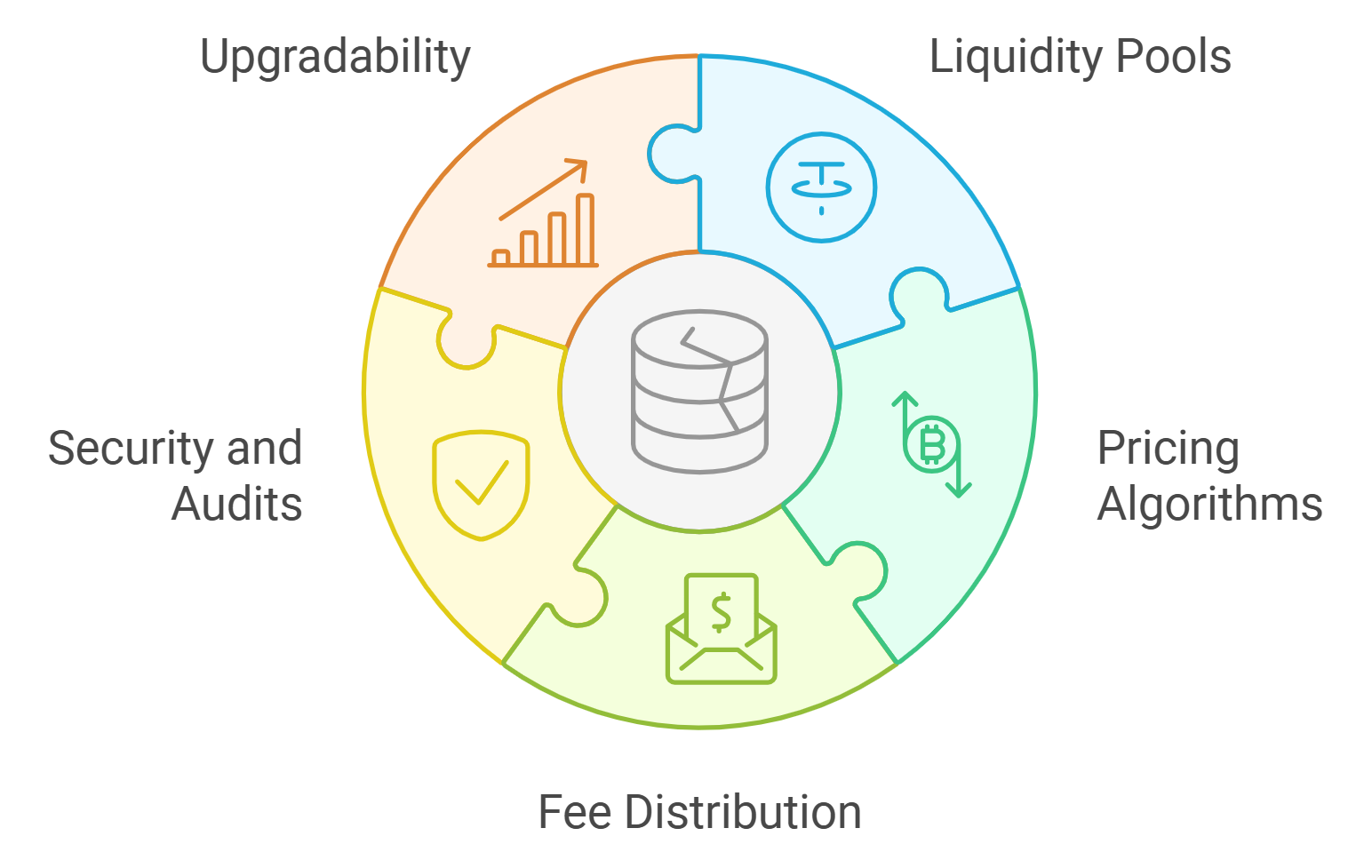
What Makes the Fluid Liquidity Layer Different?
Traditional DeFi protocols often force users to choose: lock up assets as collateral for borrowing, or deploy them in liquidity pools to earn yield. This creates a frustrating dilemma and leads to fragmented, underutilized capital. Fluid flips this paradigm by introducing a unified liquidity layer where assets can serve multiple functions at once.
Here’s what sets Fluid apart:
Key Innovations of Fluid’s Liquidity Layer on Arbitrum
- Smart Collateral: Assets deposited into Fluid’s liquidity pools do double duty—serving as collateral for borrowing while also earning trading fees. This means your assets are always working for you, boosting capital efficiency across the board.
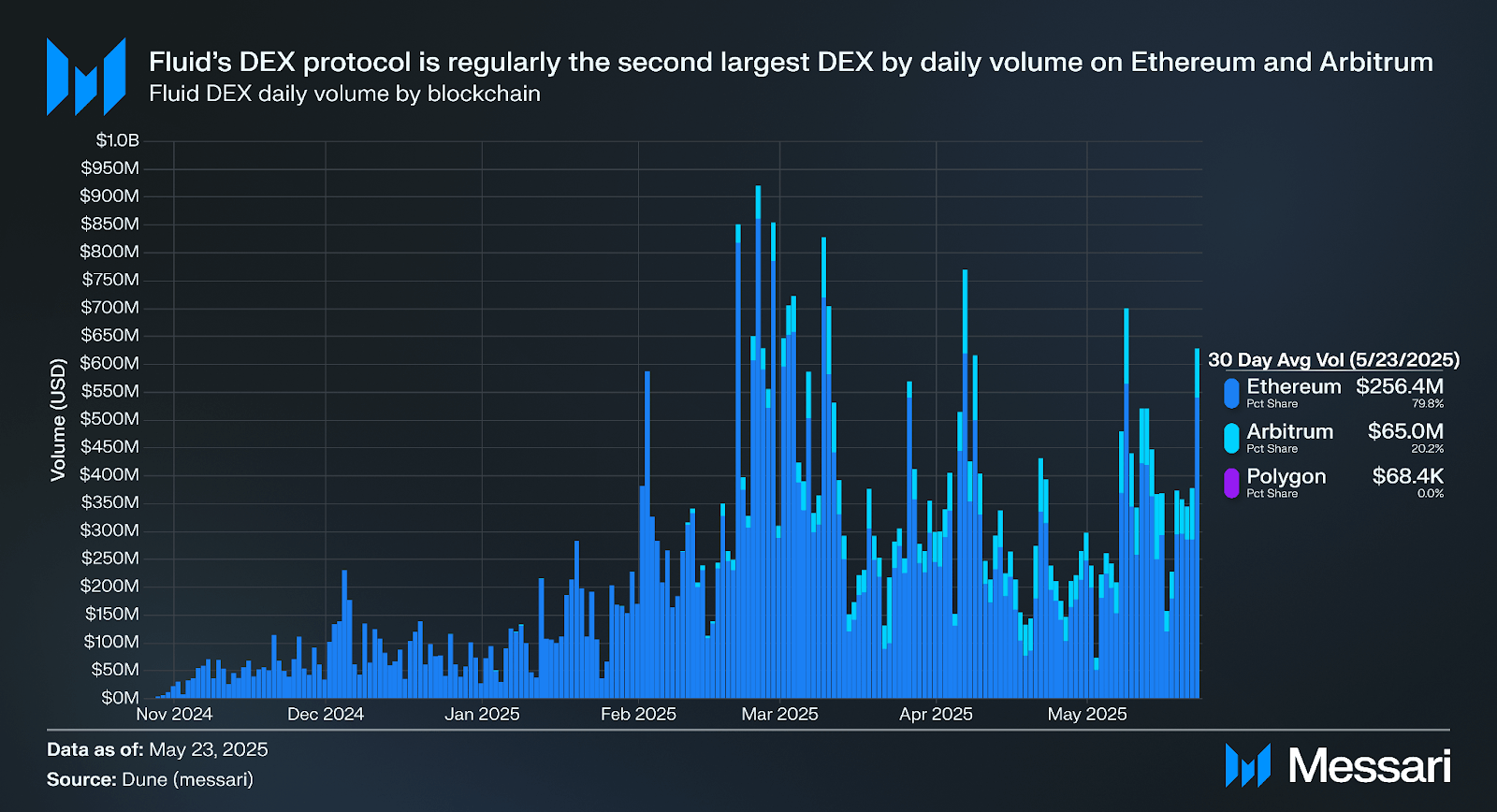
- Smart Debt: Borrowed assets aren’t just sitting idle—in Fluid, they’re actively deployed in trading pools to generate trading fees. This helps offset borrowing costs and turns debt into a productive asset.
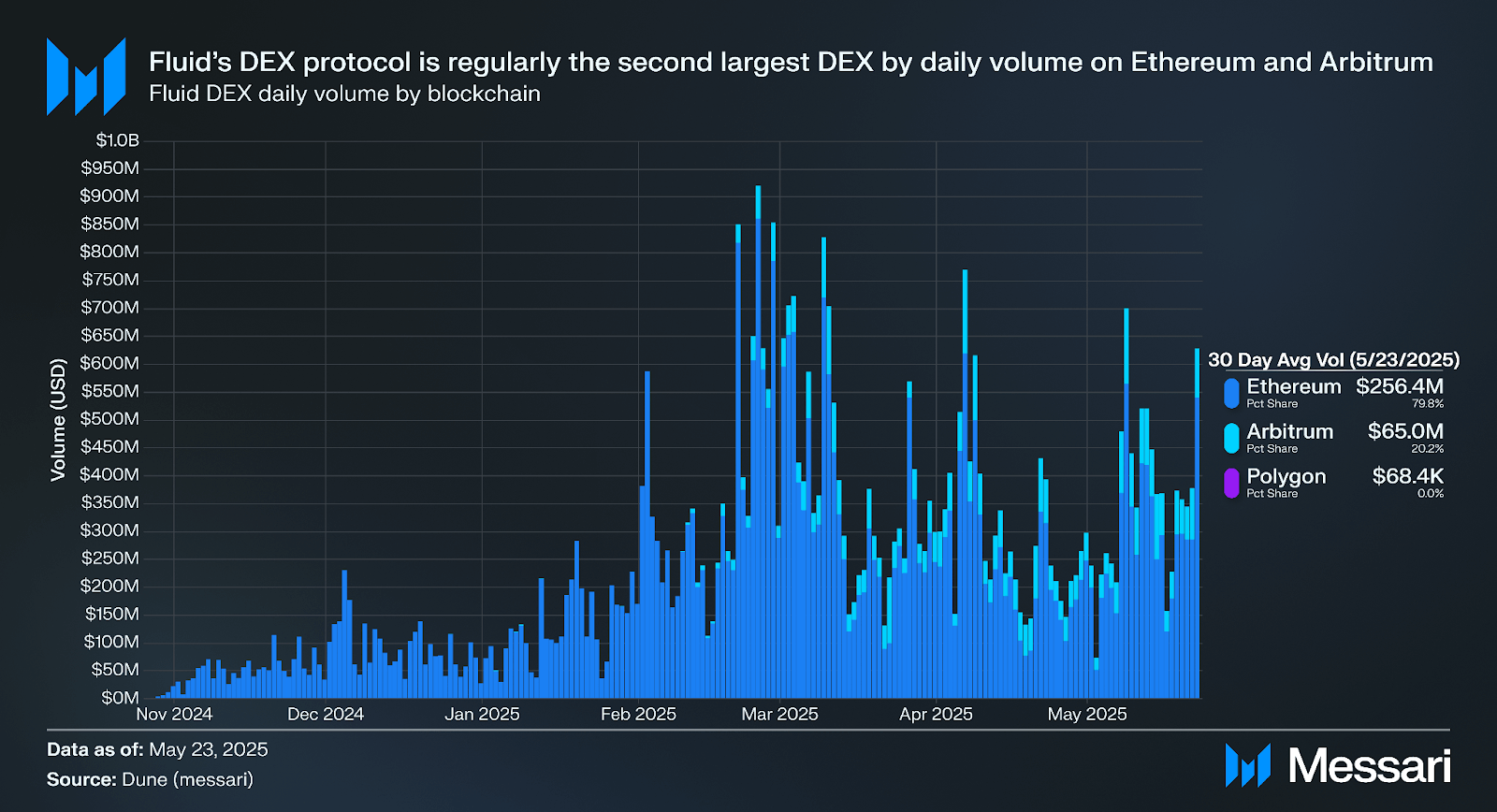
- High Loan-to-Value (LTV) Ratios: Thanks to advanced liquidation mechanisms, Fluid supports LTV ratios up to 95%. Users can borrow more against their collateral without compromising system stability.
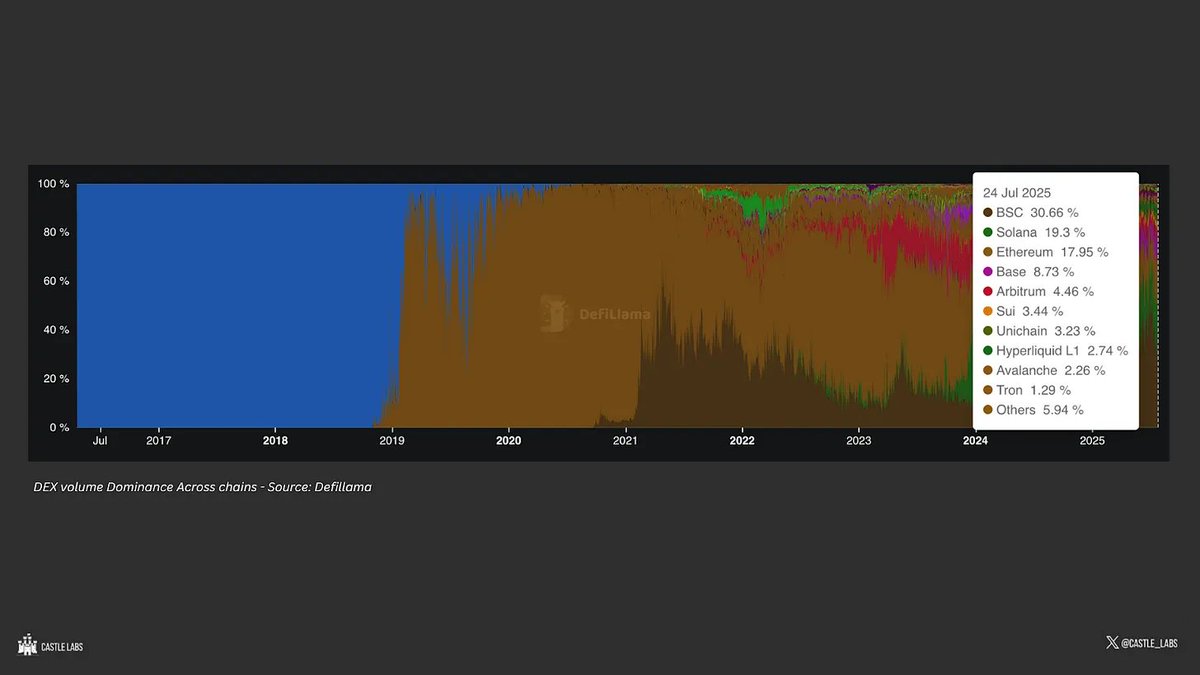
- Innovative Liquidation Process: Fluid’s range-based liquidation engine, inspired by Uniswap v3, groups positions by LTV range and performs batch liquidations. This keeps liquidation penalties as low as 0.1%, protecting users from major losses.
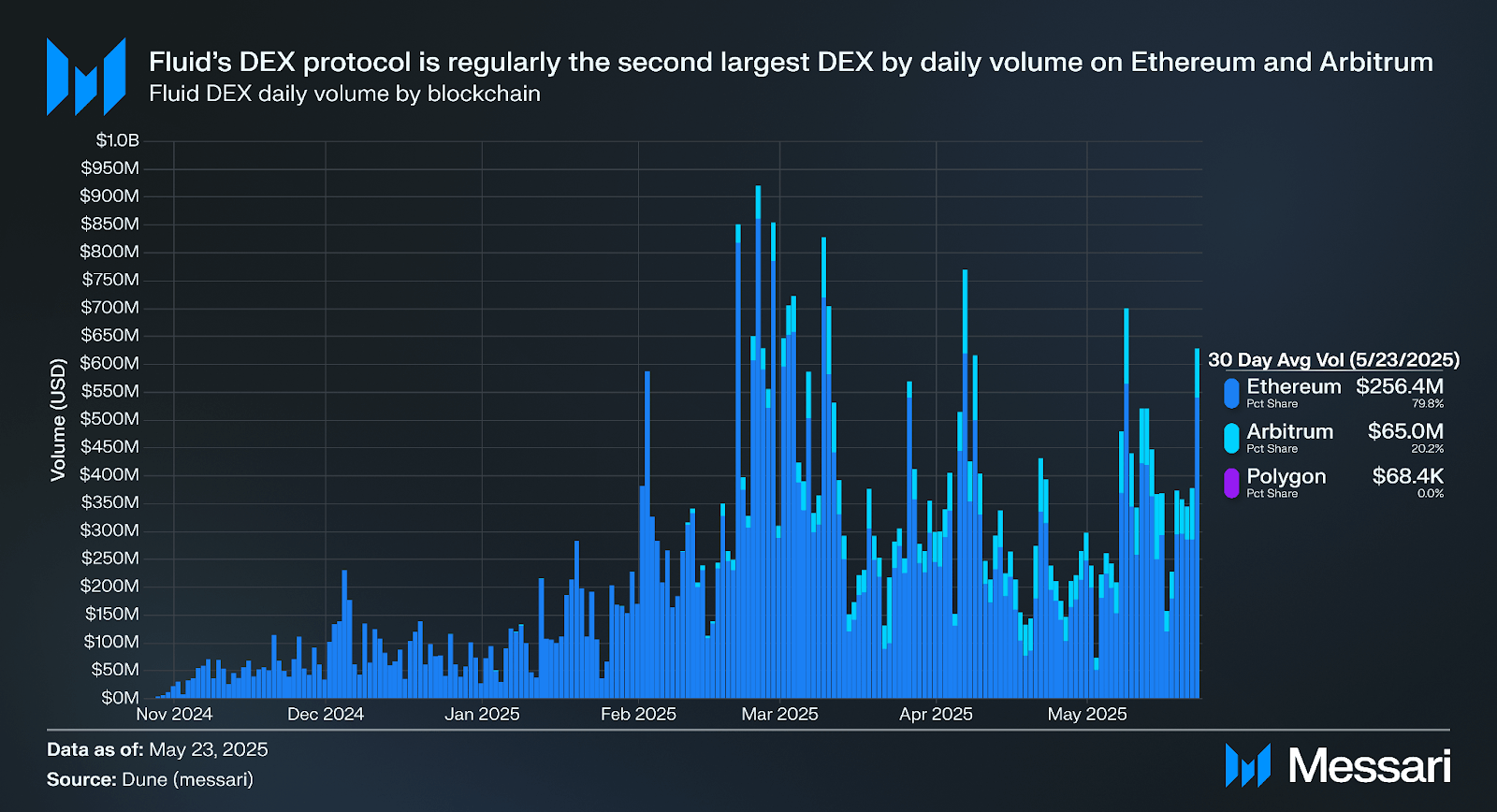
- Unified Liquidity Layer: By integrating lending, borrowing, and trading, Fluid reduces capital fragmentation and allows assets to serve multiple roles at once. This unified approach has attracted nearly $2 billion in collateral deposits on Arbitrum.

Instead of being idle, your assets in Fluid’s pools are always working. They simultaneously act as collateral for borrowing and generate trading fees. Borrowed funds themselves are recycled into trading pools, earning additional yield that can offset your borrowing costs. This level of composability and capital efficiency just wasn’t possible before on Arbitrum.
Smart Collateral and Smart Debt: The Power Duo
Let’s break down two of Fluid’s most impressive features: Smart Collateral and Smart Debt.
- Smart Collateral: When you deposit assets into Fluid, they not only secure your loans but also earn trading fees from market activity. This means every dollar you deposit is maximized for productivity.
- Smart Debt: Even borrowed assets don’t sit idle. They’re actively deployed within Fluid’s trading pools, generating fees that help offset the cost of your loan. Your debt becomes an asset in itself.
This dual-purpose approach dramatically boosts capital efficiency for both lenders and borrowers. It’s a win-win for anyone looking to get more out of their assets on Arbitrum.
High LTV Ratios and Innovative Liquidations
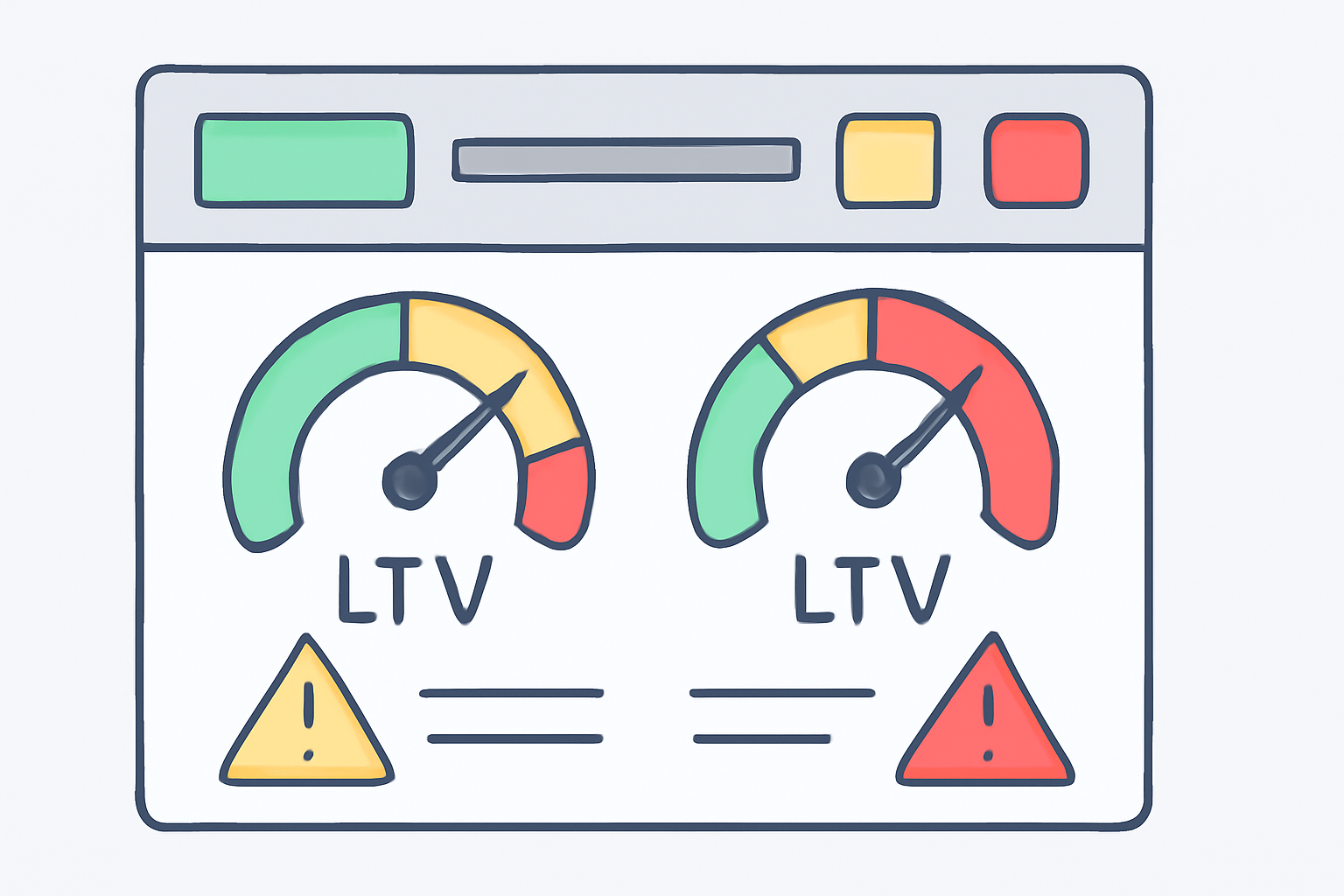
Fluid isn’t just about making assets more productive - it also lets you do more with less. Thanks to its advanced liquidation engine (inspired by Uniswap v3), users can access loan-to-value (LTV) ratios up to 95%. This means you can borrow much closer to the value of your collateral without taking on excessive risk.
The secret sauce here is Fluid’s range-based liquidation engine. Instead of harsh penalties, positions are grouped by LTV range and liquidated in batches only when needed, reducing penalties to as low as 0.1%. That means less loss if you get liquidated and more confidence to take advantage of higher LTVs - a true game changer for active traders and liquidity providers alike.
Fluid’s Impact on Arbitrum DeFi So Far
Since launching on Arbitrum, Fluid has quickly become a major liquidity hub, drawing nearly $2 billion in deposits with minimal incentives. By allowing assets to serve multiple roles at once, it reduces fragmentation and idle capital across the ecosystem. The result? More efficient markets, better yields, and a smoother experience for everyone from DeFi newcomers to power users.
How to Use Fluid's Smart Collateral & Smart Debt on Arbitrum




If you’re curious about how this all works under the hood or want to see real strategies in action, check out our deep dives on how Fluid became Arbitrum's leading stablecoin liquidity engine.
The Fluid Liquidity Layer’s design is not just a technical marvel, it’s a practical tool for traders and liquidity providers seeking every edge in today’s competitive DeFi landscape. By unifying lending, trading, and borrowing logic, Fluid unlocks new strategies for maximizing yield and flexibility on Arbitrum. This is especially relevant as the network’s total value locked continues to surge, with deposits recently surpassing $380 million and Fluid’s total collateral pool nearing $2 billion.
Double-Dipping and DRIP: Stacking Yields on Arbitrum
One of the most exciting outcomes of Fluid’s architecture is the ability to double-dip on yield. Thanks to the DRIP (DeFi Renaissance Incentive Program), users can earn ARB rewards while leveraging Fluid’s Smart Collateral and Smart Debt features. For each epoch, DRIP allocates ARB incentives to participating lending markets, and rewards are distributed based on user activity and liquidity contribution.
This means you’re not just earning trading fees and borrowing against your assets, you’re also stacking protocol rewards on top. It’s a new era of capital efficiency, and it’s fueling an arms race for liquidity across Arbitrum’s DeFi protocols.
Want to see how to get started with DRIP and maximize your earnings? We’ve put together a comprehensive guide to Fluid, yield strategies, and the DRIP economy on Arbitrum.
Composability: The Secret Sauce for DeFi Power Users
Fluid doesn’t exist in isolation. Its unified liquidity layer is composable with other protocols on Arbitrum, making it an ideal foundation for advanced DeFi strategies. Whether you’re looping stablecoins, leveraging up on blue-chip assets, or providing liquidity to multi-protocol pools, the Fluid system ensures your capital is always working overtime.
Top Composable DeFi Strategies Using Fluid on Arbitrum
- Dual Yield with Smart Collateral: Deposit assets into Fluid's liquidity pools to simultaneously earn trading fees and use your assets as collateral for borrowing, maximizing capital productivity.

- Borrow & Earn via Smart Debt: Borrow assets through Fluid and have your borrowed funds automatically deployed into trading pools, where they generate trading fees to help offset your borrowing costs.
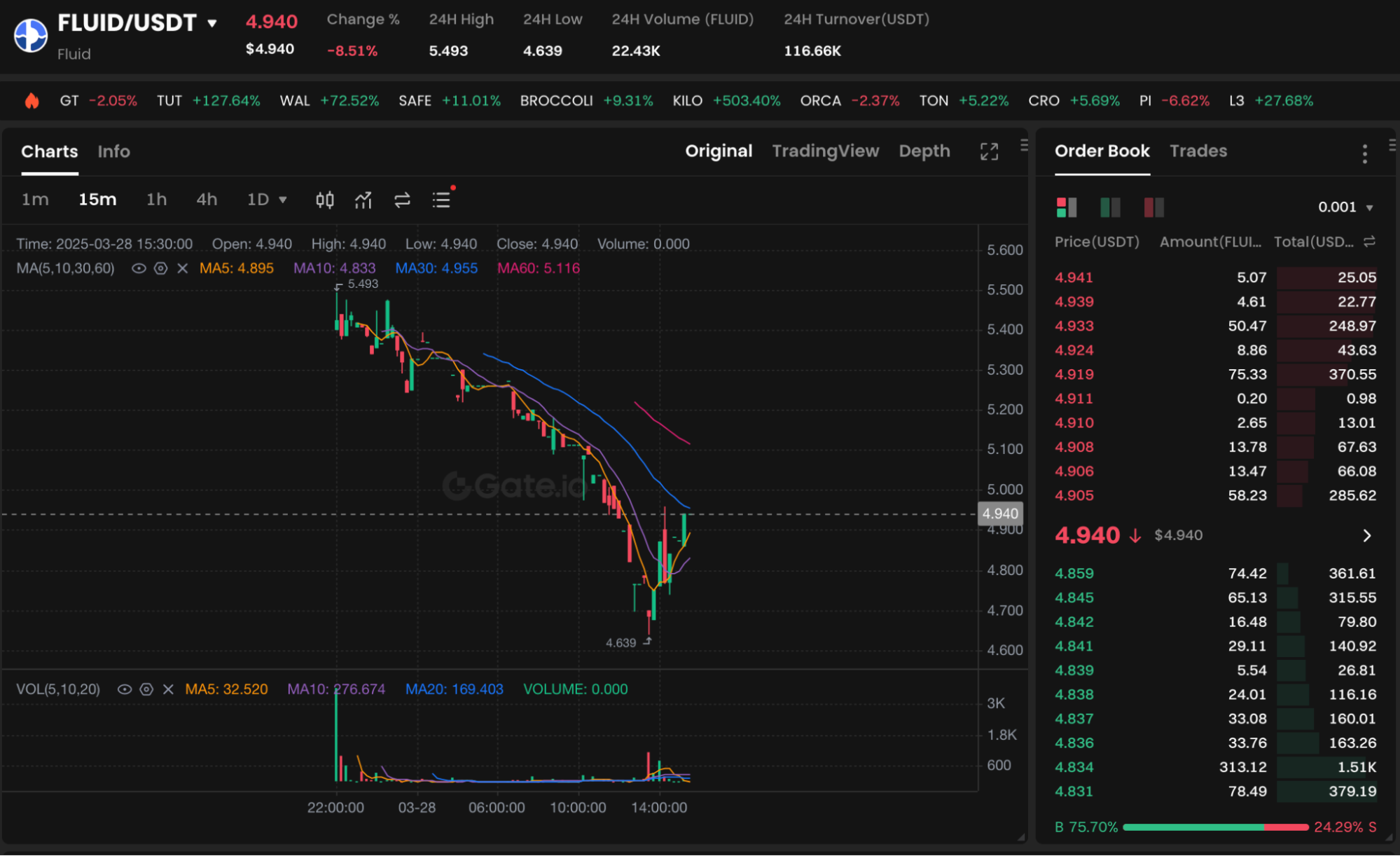
- High Leverage with Advanced LTV: Utilize Fluid's high loan-to-value (LTV) ratios—up to 95%—to unlock more borrowing power against your collateral, enabling sophisticated leverage strategies while maintaining system safety.

- Efficient Liquidation Management: Take advantage of Fluid’s Uniswap v3-inspired range-based liquidation engine, which minimizes penalties (as low as 0.1%) and allows for safer, more capital-efficient trading and lending positions.
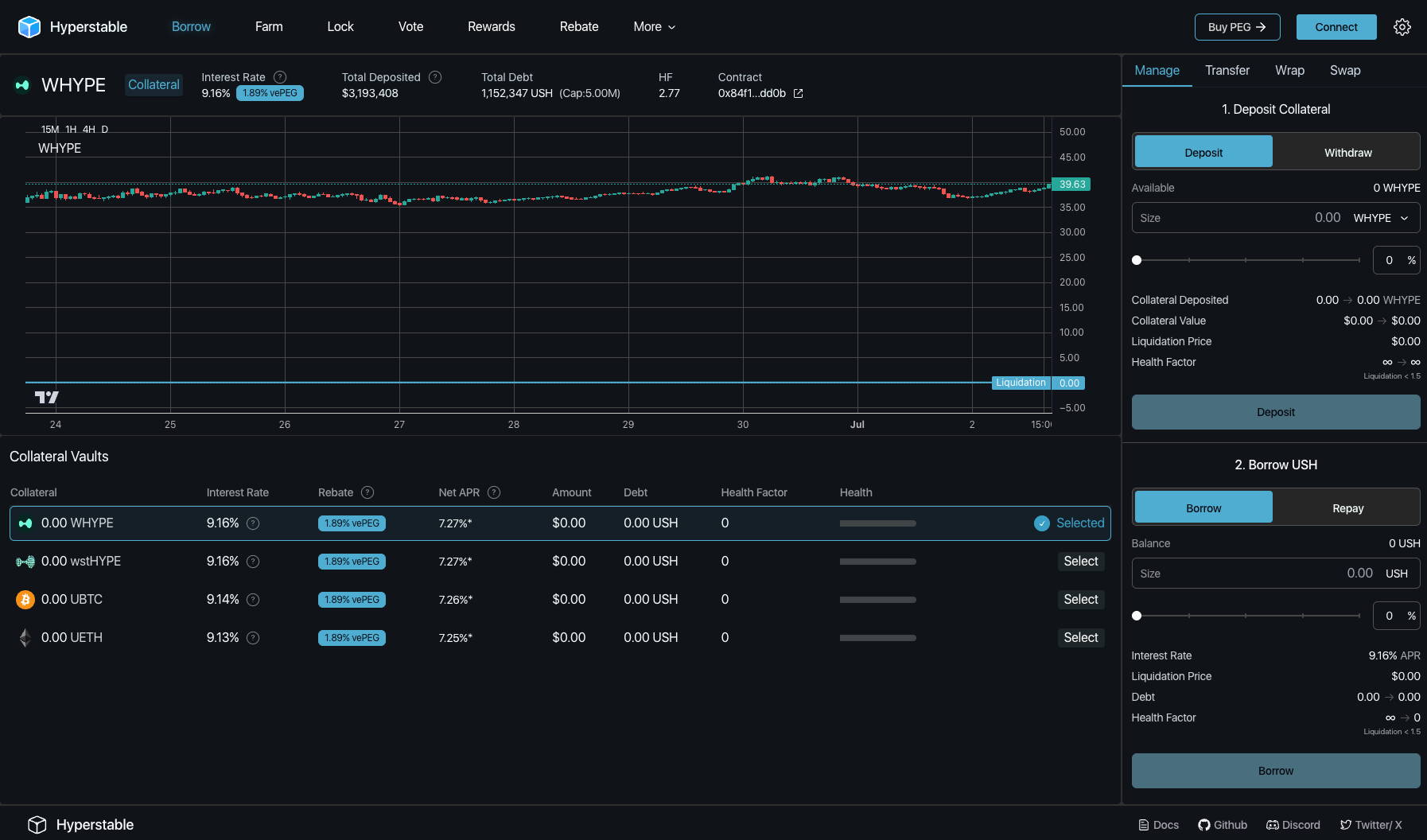

This interconnectedness is what sets Arbitrum apart as a DeFi hub. By reducing idle capital and breaking down silos between protocols, Fluid amplifies the benefits of composability, creating more robust, efficient, and innovative markets.
What’s Next for Fluid and Capital Efficiency on Arbitrum?
As DeFi matures, expect even more integrations between Fluid and other leading Arbitrum protocols. The focus will be on deeper liquidity, smarter risk management, and new ways to earn yield without sacrificing flexibility. With its high LTV ratios, minimal liquidation penalties, and seamless composability, Fluid is setting a new benchmark for what’s possible in decentralized finance.
If you’re ready to explore the next generation of capital-efficient DeFi, keep an eye on the Fluid ecosystem. The innovation happening here isn’t just theoretical, it’s already reshaping how capital moves across Arbitrum, one epoch at a time.




No comments yet. Be the first to share your thoughts!