What makes Nitro different
Arbitrum Nitro 2.0 represents a fundamental architectural shift for the Layer 2 ecosystem, moving away from the legacy Python-based execution stack toward a modern, standardized foundation. By integrating WebAssembly (WASM) and Geth, Arbitrum Nitro 2.0 delivers significantly higher throughput and faster finality while maintaining strict EVM equivalence. This transition resolves the compatibility friction that often plagued earlier rollup implementations, allowing developers to deploy smart contracts with near-zero modifications.
The legacy Arbitrum stack relied on a custom Python interpreter to process Ethereum Virtual Machine (EVM) opcodes. While functional, this approach introduced performance bottlenecks and complexity when integrating with broader Ethereum tooling. Nitro replaces this custom interpreter with a WASM-based execution engine that runs Geth, the standard Go implementation of Ethereum. This change is not merely an incremental update; it aligns Arbitrum’s core execution layer with the same technology used by the Ethereum mainnet.
This standardization yields dramatic efficiency gains. According to Offchain Labs, Nitro offers 10 to 70 times faster execution and 100 to 500 times better memory efficiency compared to its predecessor. For users and protocols, this translates to lower gas costs and smoother transaction processing. The move to Geth also simplifies the dispute resolution process, as the same codebase verifies transactions on both the Layer 2 and the mainnet Ethereum chain.
The technical implications extend beyond raw speed. Because Nitro uses standard EVM execution, it enables seamless interoperability with existing DeFi protocols, wallets, and developer tools. This compatibility is critical for the growth of the Arbitrum ecosystem, as it lowers the barrier to entry for new projects and ensures that liquidity can flow freely between Layer 2 and Layer 1. The result is a more robust, scalable, and developer-friendly infrastructure.
Nitro vs Classic Arbitrum
Arbitrum Nitro represents a fundamental shift in how the network processes transactions, moving away from the original Python-based architecture to a fully WebAssembly (Wasm) engine. This upgrade was designed to bridge the gap between Ethereum compatibility and raw execution speed, addressing the primary bottlenecks that limited the legacy stack.
The most immediate difference users notice is in transaction finality and cost. Nitro utilizes a specialized OVM (Arbitrum Virtual Machine) implementation that is significantly more memory-efficient. According to official documentation from Offchain Labs, Nitro delivers 10 to 70 times faster execution speeds and 100 to 500 times better memory efficiency compared to the classic version. This efficiency translates directly into lower gas fees for users and developers, making complex DeFi interactions more viable on the layer.
While the classic Arbitrum One relied on a mix of Solidity and a custom Python-based interpreter for precompiles, Nitro standardizes the entire stack around EVM equivalence. This means that smart contracts written for Ethereum can be deployed on Nitro with near-zero modification, while benefiting from the underlying performance gains of the Wasm engine. The result is a network that feels like Ethereum but operates with the speed of a dedicated execution layer.
The table below breaks down the technical distinctions between the two generations of the Arbitrum stack.
| Feature | Classic Arbitrum | Nitro |
|---|---|---|
| Execution Engine | Python-based OVM | WebAssembly (Wasm) |
| Memory Efficiency | Standard | 100-500x better |
| Execution Speed | Baseline | 10-70x faster |
| EVM Compatibility | High (with caveats) | Full EVM Equivalence |
| Gas Costs | Higher | Significantly Lower |
For developers and users prioritizing cost-efficiency and speed, Nitro is the definitive choice. The legacy stack remains functional for backward compatibility, but new deployments and high-frequency DeFi applications are increasingly migrating to the Nitro infrastructure to leverage these performance advantages.
Arbitrum Nitro 2.0 impact on DeFi and gas fees
Arbitrum Nitro 2.0 fundamentally reshapes the economics of decentralized finance by drastically lowering transaction costs while increasing network throughput. By replacing the traditional EVM execution environment with a more efficient WASM-based engine, the protocol reduces the computational overhead required to process complex smart contracts. This architectural shift allows DeFi protocols to execute intricate operations—such as multi-hop swaps, yield farming strategies, and automated market maker rebalancing—at a fraction of the cost previously associated with Layer 1 Ethereum.
The reduction in gas fees is not merely a cosmetic improvement; it is a structural enabler for new financial primitives. When transaction costs drop, the barrier to entry for high-frequency trading and small-value interactions disappears. This makes sophisticated DeFi applications viable for everyday users who previously found gas fees prohibitive. As noted in official documentation, Nitro provides higher throughput and faster finality, which directly translates to a smoother user experience and lower friction for capital movement across the ecosystem.
To understand the current market sentiment surrounding this upgrade, it is helpful to observe the live performance of the Arbitrum token.
The synergy between lower fees and higher throughput creates a compounding effect for DeFi liquidity. Protocols can offer deeper liquidity pools and tighter spreads without the risk of eroding margins through excessive gas costs. This efficiency attracts institutional capital and sophisticated traders who require precise execution and low slippage. Consequently, Arbitrum Nitro 2.0 positions itself as a critical infrastructure layer for the next generation of scalable, cost-effective decentralized financial services.
Choosing Arbitrum for 2026
As the Layer 2 landscape matures, selecting the right chain requires weighing Nitro 2.0’s technical advantages against specific project needs. Arbitrum remains the dominant choice for high-throughput DeFi, but developers and investors must evaluate fit beyond raw transaction speed. The decision hinges on ecosystem liquidity, EVM compatibility, and the long-term roadmap outlined by Offchain Labs.
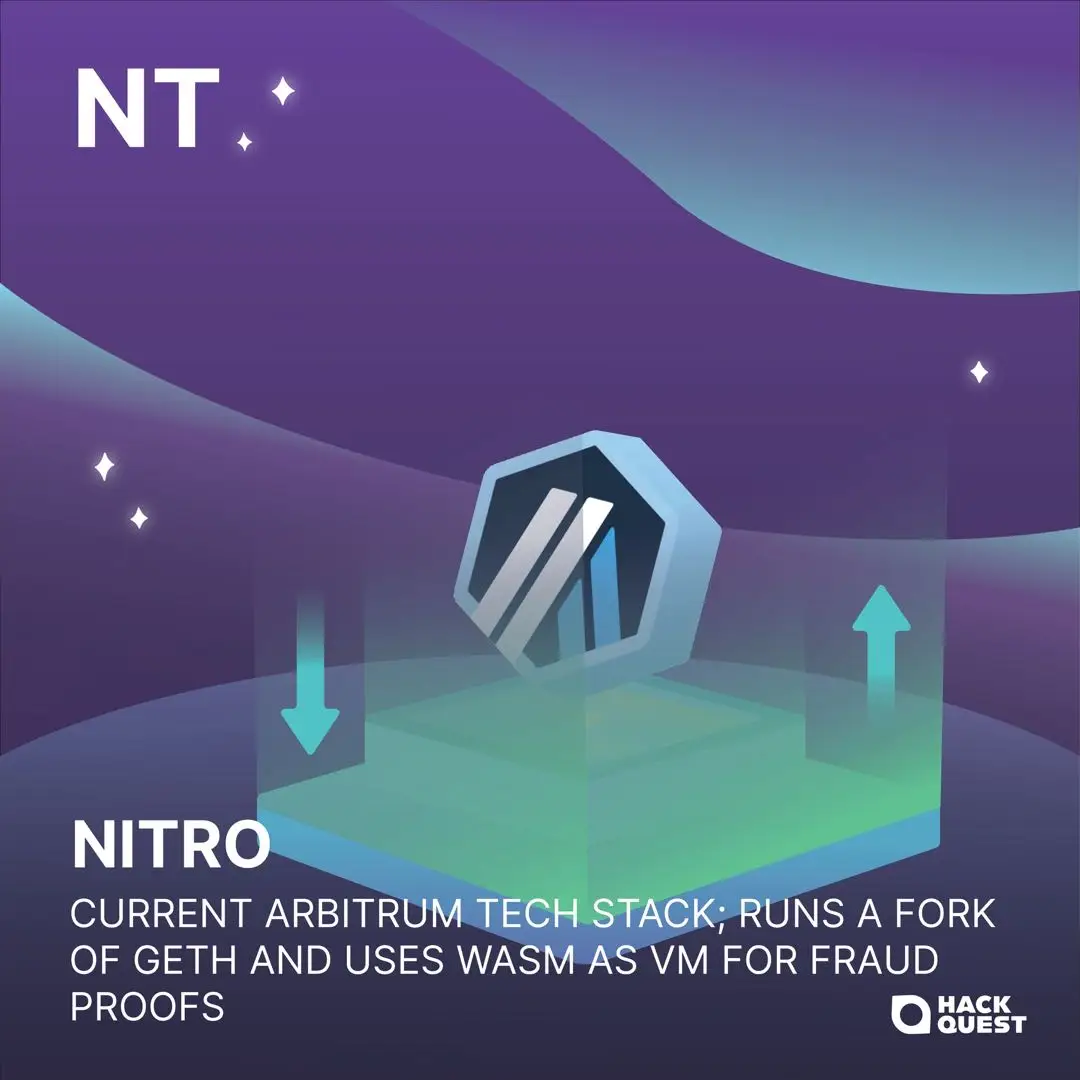
Nitro 2.0 leverages WebAssembly (WASM) to execute precompiles natively, drastically reducing gas costs compared to legacy EVM-only chains. This efficiency is critical for DeFi protocols that require frequent state updates. For projects sensitive to transaction fees, Nitro offers a significant cost advantage over other optimistic rollups.
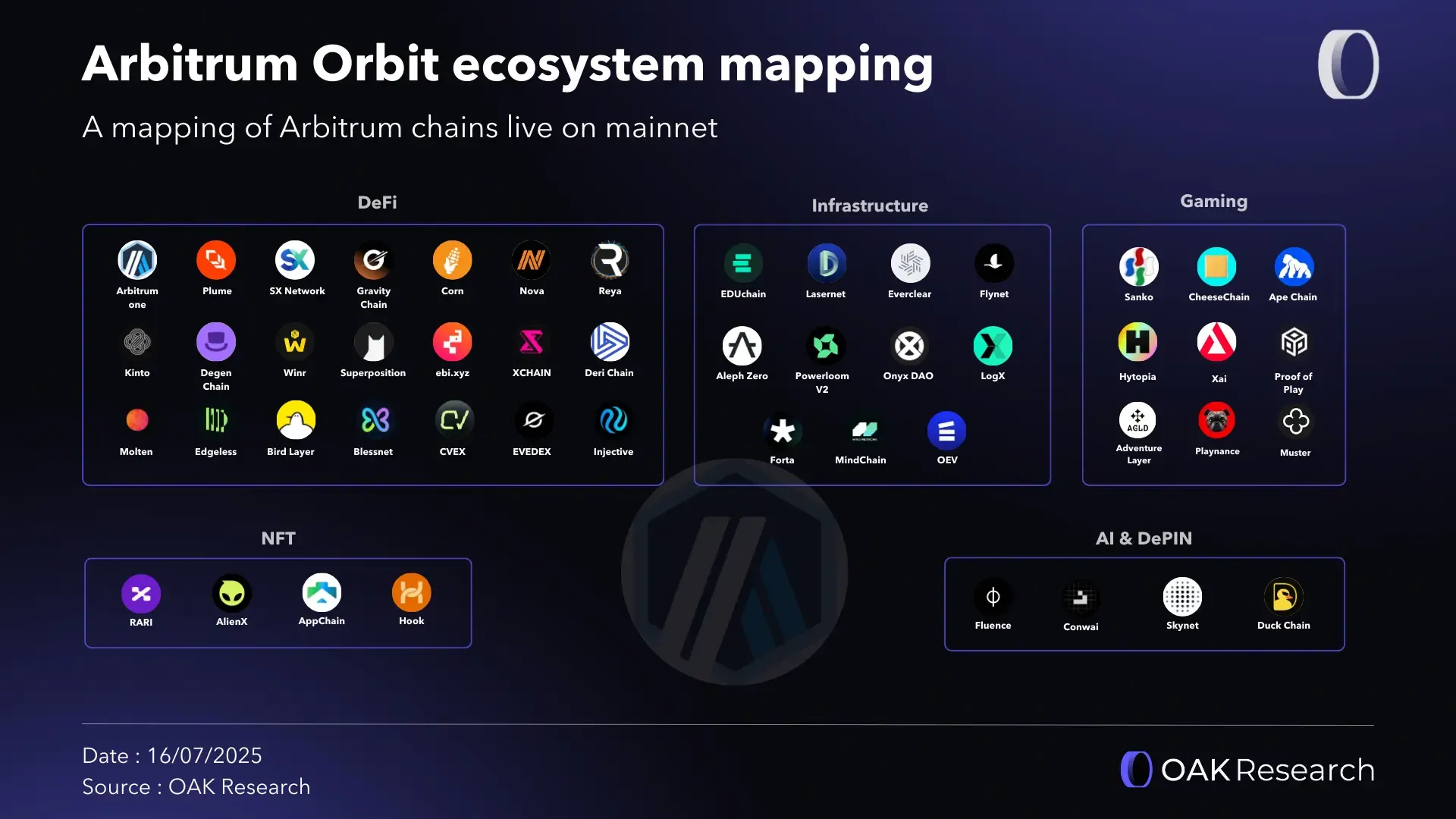
Liquility is the primary moat for any Layer 2. Arbitrum consistently holds the largest Total Value Locked (TVL) among competitors, driven by established DeFi protocols like GMX and Aave. For investors, this depth reduces slippage and enhances capital efficiency. A robust ecosystem ensures that new Nitro 2.0 features are immediately utilized by active users.
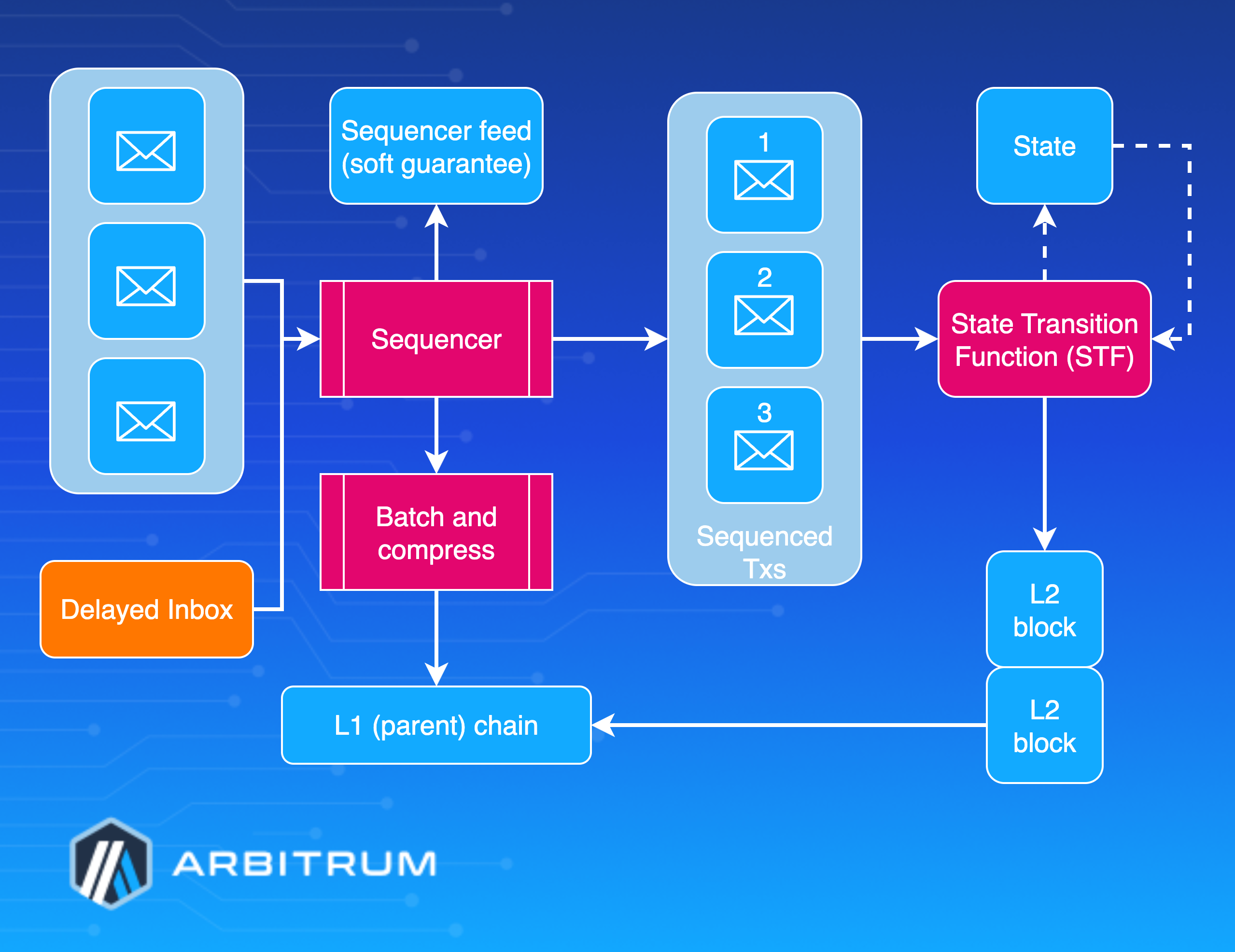
Full EVM equivalence allows developers to deploy existing Ethereum smart contracts with minimal code changes. Nitro 2.0 maintains this compatibility while introducing new precompiles for advanced cryptographic functions. This ease of migration lowers the barrier to entry for teams looking to scale without rebuilding their entire stack from scratch.

The Arbitrum DAO governs the ecosystem’s evolution, including fee markets and bridge security. Nitro 2.0 represents a step toward a more modular and scalable architecture. Stakeholders should review the official Arbitrum research docs for updates on tokenomics and governance proposals that could impact long-term network value.
| Feature | Arbitrum Nitro 2.0 | Other L2s |
|---|---|---|
| Execution Engine | WASM + EVM | EVM only |
| Gas Costs | Lower (native precompiles) | Variable |
| Ecosystem Size | Largest TVL | Growing but smaller |
| Security Model | Optimistic Rollup | Optimistic or ZK |
Arbitrum Nitro 2.0 offers a compelling blend of performance and compatibility. For developers prioritizing EVM parity and investors seeking deep liquidity, it remains the most established Layer 2 solution for 2026 and beyond.
Common questions about Arbitrum Nitro 2.0
What is Arbitrum Nitro?
Arbitrum Nitro is a second-generation Layer 2 protocol that replaces the previous codebase with a highly optimized stack. It offers 10-70 times faster execution and significantly better memory efficiency than earlier rollups, enabling the faster finality and more efficient dispute resolution found in the current network. Learn more about the Nitro stack.
What is Arbitrum L2?
Arbitrum operates as an Optimistic Rollup on Ethereum, processing transactions in two stages to improve performance and reduce costs. By bundling smart contract interactions off-chain and posting compressed data to Ethereum, it allows users to execute complex DeFi operations at a fraction of the mainnet price while inheriting Ethereum’s security guarantees.
Does Arbitrum have a future?
The network’s future is anchored by its technical superiority and strong developer adoption. Nitro’s efficiency gains have made it the preferred choice for high-throughput applications, from gaming to institutional DeFi. As Ethereum scales, Nitro’s role as a high-performance settlement layer ensures its relevance in the evolving multi-chain landscape.
Can Arbitrum reach $100?
Price predictions are highly speculative and depend on broader market conditions, regulatory developments, and network usage. While Nitro 2.0 enhances the underlying technology, token price is driven by supply dynamics and macroeconomic factors. Investors should conduct their own research and avoid relying on fixed price targets for long-term planning.
No comments yet. Be the first to share your thoughts!