Arbitrum one vs nova choices that change the plan
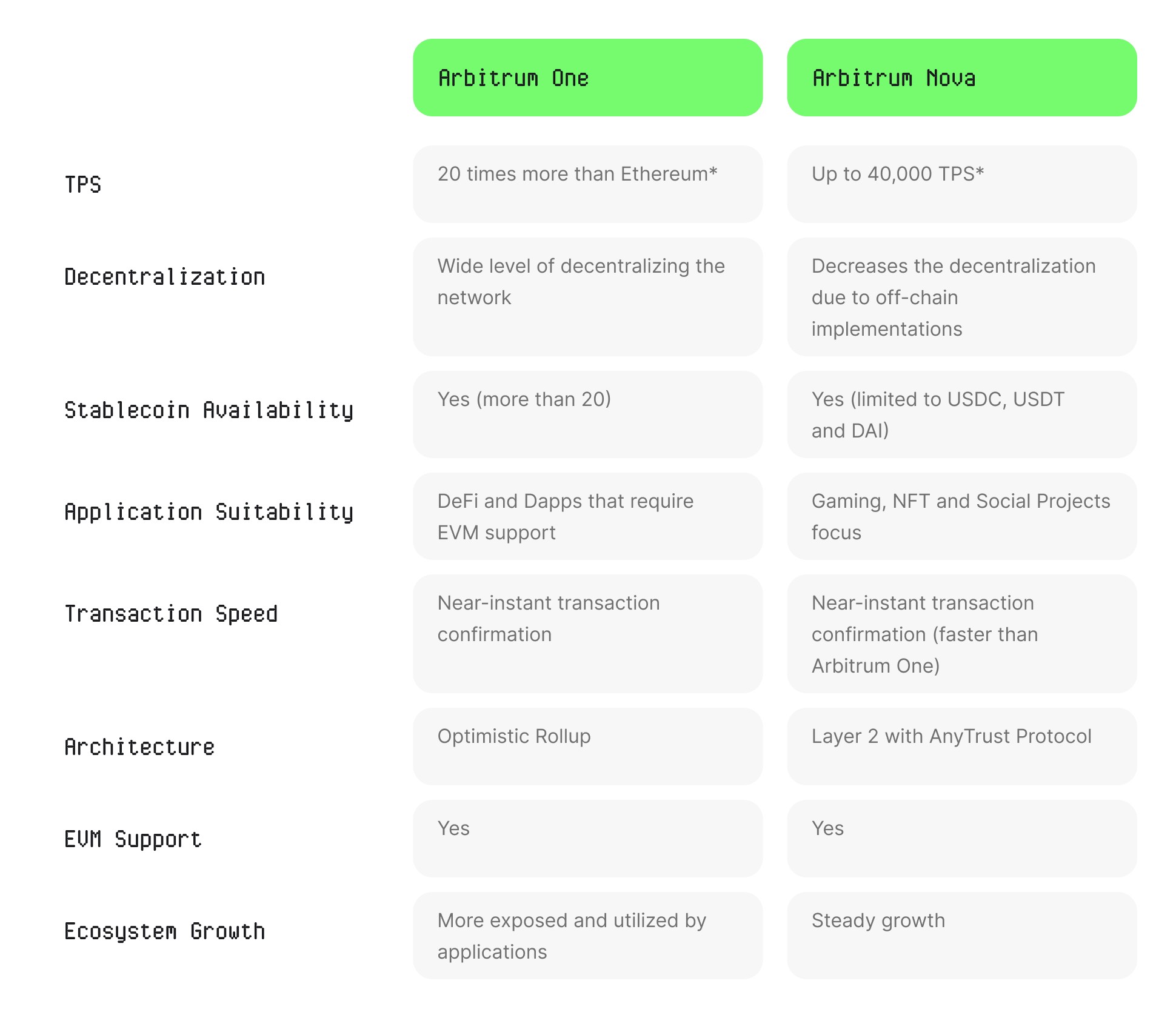
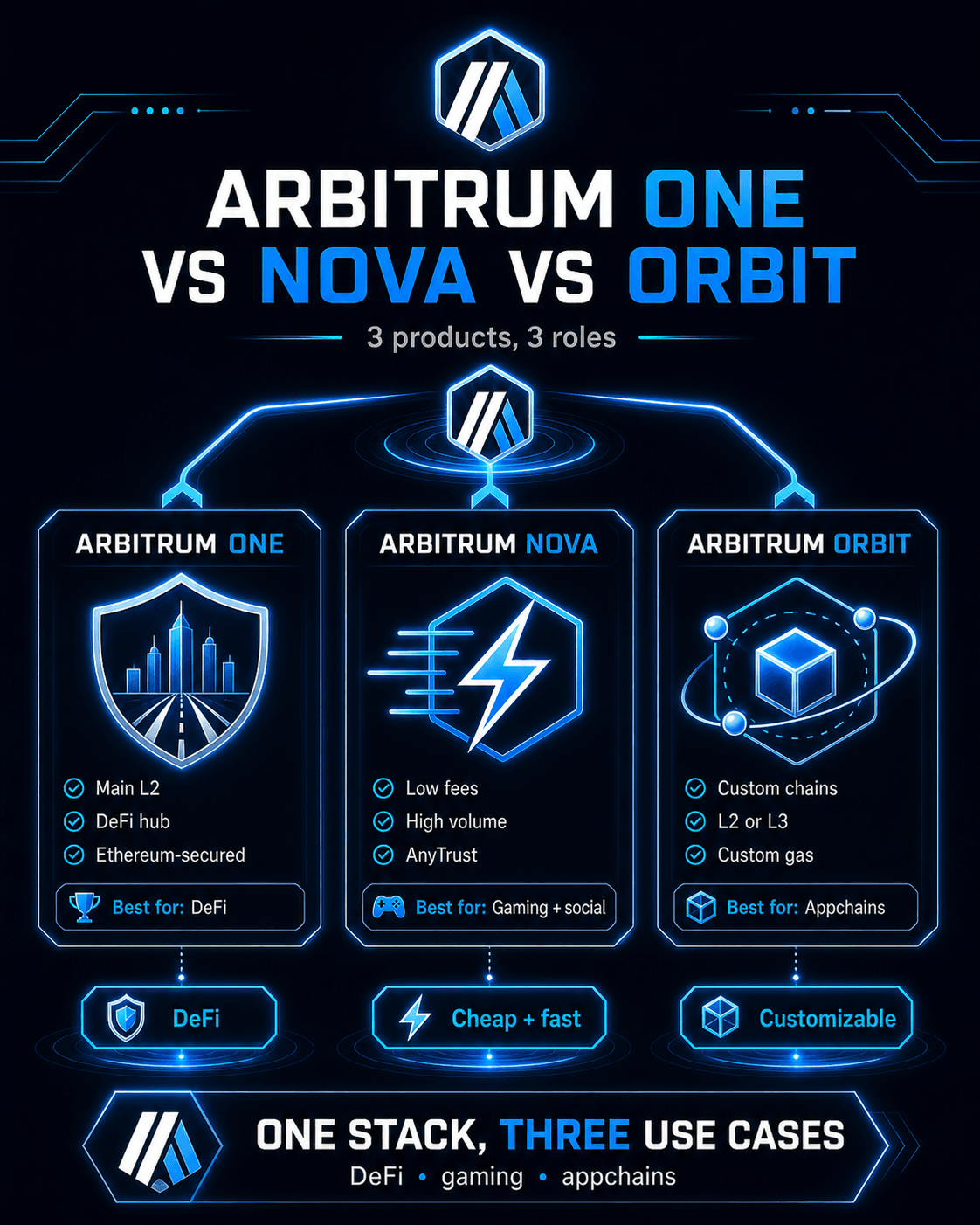
The choice between Arbitrum One and Arbitrum Nova comes down to a single variable: what you are building. Both networks use the same Nitro engine, but they solve different problems. Arbitrum One is the main settlement layer, prioritizing security and deep liquidity for DeFi. Arbitrum Nova is a specialized execution layer, prioritizing speed and low costs for gaming and social apps.
Think of Arbitrum One as a global financial hub. It is where the most capital resides, offering high security for large transactions. Arbitrum Nova is more like a busy arcade. It is designed for high-frequency, low-value interactions where speed matters more than institutional-grade security.
Security and Finality
Arbitrum One uses a fully trustless rollup model. This means it inherits Ethereum’s maximum security guarantees. If you are moving significant value or building a DeFi protocol, One is the standard. Arbitrum Nova uses AnyTrust, which relies on a Data Availability Committee (DAC) to store data off-chain. While this makes transactions cheaper and faster, it introduces a slight trust assumption compared to One’s pure rollup model.
Transaction Costs and Speed
Nova is built for throughput. It processes transactions significantly faster than One, with fees often fractions of a cent. This makes it ideal for games that require constant state updates or social apps with high user activity. One is slightly more expensive, but still far cheaper than Ethereum mainnet. For most DeFi swaps or NFT minting, One’s fees are negligible, but Nova’s are virtually zero.
Ecosystem and Tooling
Arbitrum One has a mature ecosystem with thousands of dApps, deep liquidity pools, and broad wallet support. Arbitrum Nova is newer and smaller. It focuses on gaming, social, and consumer applications. Some major infrastructure providers have limited or no support for Nova, so you must check compatibility before building.
| Feature | Arbitrum One | Arbitrum Nova |
|---|---|---|
| Primary Use Case | DeFi & High-Value Transactions | Gaming & Social Apps |
| Security Model | Trustless Rollup | AnyTrust (DAC) |
| Transaction Speed | Fast | Very Fast |
| Average Gas Fee | Low | Very Low |
| Ecosystem Size | Large & Mature | Growing & Niche |
| Data Availability | On-Chain (L1) | Off-Chain (DAC) |
Which Should You Choose?
If you are a user moving large sums, trading, or providing liquidity, use Arbitrum One. It is the safer, more established network. If you are playing a blockchain game, using a social app, or making many small transactions, Arbitrum Nova offers a smoother, cheaper experience. For developers, choose One for DeFi and Nova for high-frequency consumer apps.
Where each option wins
Arbitrum One and Arbitrum Nova serve different audiences because they solve different problems. One prioritizes security and liquidity for serious financial activity. The other prioritizes speed and cost for high-frequency interactions. Choosing the right chain depends on whether you are moving capital or moving data.
Arbitrum One: The DeFi Hub
Arbitrum One is the primary home for decentralized finance on the Arbitrum ecosystem. It uses a fully trustless rollup model, meaning it inherits the highest level of security from Ethereum. If you are providing liquidity, trading large volumes, or using complex lending protocols, this is the network you need. Bridge volume here is among the highest of any Layer 2, reflecting deep institutional and retail trust. The tradeoff is higher gas fees and slower finality compared to Nova, but you get the security guarantees that matter for holding value.
Arbitrum Nova: The Gaming and Social Chain
Arbitrum Nova is built for applications that require thousands of transactions per second at minimal cost. It uses the AnyTrust protocol, which relies on a data availability committee to keep costs low. This makes it ideal for on-chain gaming, social apps, and micro-transactions where users expect instant feedback. While it is not designed for storing large amounts of capital, it is perfect for interactive experiences. Note that tooling support is narrower; as of early 2026, several major third-party providers have dropped support for Nova environments, so check wallet compatibility before building or playing.



As an Amazon Associate, we may earn from qualifying purchases.
Details worth checking
Before deploying funds or building on either network, verify the specific risks and exclusions that apply to your use case. Arbitrum One and Nova operate on different trust models and support different tooling ecosystems, meaning a feature available on one may be missing on the other.
Arbitrum One processes over two billion lifetime transactions, making its bridge volume significantly higher than Nova’s. If you are moving large sums, check that your preferred bridge supports the specific token pair you need. Nova’s lower liquidity can lead to higher slippage on smaller or niche tokens.
Tooling support differs sharply between the chains. Effective January 31, 2026, several major providers, including Alchemy, dropped support for Arbitrum Nova environments. If your dApp relies on specific RPC endpoints or indexing services, confirm they still support Nova before committing to it.
Arbitrum One uses a purely trustless rollup protocol, while Nova uses the mostly trustless AnyTrust protocol. For high-value DeFi protocols where absolute decentralization is non-negotiable, One is the safer default. Nova’s AnyTrust model relies on data availability committees, which introduces a different set of trust assumptions you should understand.
No comments yet. Be the first to share your thoughts!