Arbitrum One vs Nova 2026: Quick Verdict
Choosing between Arbitrum One vs Nova comes down to a single question: do you value security or speed? Arbitrum One is the flagship Layer 2 chain, built on a purely trustless rollup protocol that prioritizes maximum security and a vast ecosystem. It is the home for high-value DeFi protocols, stablecoins, and applications where capital preservation is paramount.
Arbitrum Nova, by contrast, is a high-performance alternative designed for speed and cost efficiency. It uses a more aggressive fraud-proof system involving a network of "validity providers" to achieve faster finality and significantly lower fees. This makes it ideal for high-frequency activities like gaming, social applications, and micro-transactions where users expect instant feedback and negligible costs.
If you are building or using a protocol that handles significant value, stick with Arbitrum One. The trade-off is slightly higher gas fees, but you gain the benefit of Ethereum's highest level of security and the deepest liquidity. For casual interactions, play-to-earn games, or social feeds, Nova offers a smoother, cheaper experience that feels closer to Web2 performance.
| Feature | Arbitrum One | Arbitrum Nova |
|---|---|---|
| Primary Use Case | DeFi & High-Value | Gaming & Social |
| Security Model | Trustless Rollup | Validity Providers |
| Transaction Speed | Standard L2 | Fast Finality |
| Gas Fees | Moderate | Very Low |
How Arbitrum One and Nova Differ
Arbitrum One and Arbitrum Nova are built on the same foundational technology but serve different purposes through distinct consensus mechanisms. This architectural choice creates a fundamental trade-off between security and cost, determining which chain fits your specific DeFi or gaming requirements.
Arbitrum One operates as a trustless rollup. It inherits its security directly from Ethereum by posting transaction data to the mainnet. This design ensures that the chain is as secure as Ethereum itself, making it the preferred environment for high-value decentralized finance (DeFi) applications where user funds are at significant risk. The trade-off is that this security layer adds complexity and slightly higher costs compared to a fully independent system.
Arbitrum Nova takes a different approach using a committee of sequencers. This committee model allows for much faster processing and significantly lower fees, but it shifts the security model. Instead of relying solely on Ethereum's consensus, Nova relies on the honesty of this specific group of validators. This makes it highly efficient for high-throughput activities like gaming and social applications, where speed and low cost are more critical than the maximum possible security guarantees.
The table below summarizes the technical distinctions that drive these operational differences.
| Feature | Arbitrum One | Arbitrum Nova |
|---|---|---|
| Consensus | Trustless Rollup | Committee of Sequencers |
| Security Model | Ethereum Layer 1 Security | Committee Trust |
| Primary Use Case | High-Value DeFi | Gaming & Social Apps |
| Transaction Cost | Standard L2 Fees | Ultra-Low Fees |

Choosing between Arbitrum One and Nova ultimately depends on your risk tolerance and application type. If you are building or using applications that handle substantial value, the trustless security of Arbitrum One is non-negotiable. However, if you are engaged in activities that require high frequency and minimal friction, such as on-chain gaming, Nova's committee model offers a performance advantage that makes the experience viable.
DeFi on Arbitrum One
Arbitrum One has established itself as the primary hub for decentralized finance on the Arbitrum network. While Nova handles high-frequency gaming, One is built for serious capital deployment. It hosts the deepest liquidity pools and the most mature protocols in the ecosystem, making it the go-to chain for users who prioritize security and depth over raw speed.
The network’s appeal lies in its compatibility with Ethereum’s security model. By using optimistic rollup technology, Arbitrum One inherits Ethereum’s robust security guarantees while offering significantly lower transaction fees. This setup allows complex DeFi interactions—such as multi-step swaps or lending operations—to happen efficiently without exposing users to the fragility of standalone chains.
Major protocols like GMX, Camelot, and Radiant Capital anchor the ecosystem. These platforms manage billions in total value locked (TVL), providing the liquidity depth necessary for large trades without slippage. For traders and investors, this concentration of capital means better prices and more reliable execution compared to newer or smaller chains.
The network’s longevity also means its smart contracts have been battle-tested. Audits and community scrutiny have hardened the codebase, reducing the risk of exploits that often plague newer DeFi environments. This track record makes Arbitrum One a safer home for long-term holdings and complex financial strategies.
Gaming and Social Apps on Nova
Arbitrum Nova is purpose-built for applications that prioritize speed and low cost over the maximum security guarantees of Arbitrum One. While One serves as the primary settlement layer for high-value DeFi, Nova operates as a dedicated chain for GameFi, social networks, and NFTs. This specialization allows developers to support frequent, small-value interactions that would be prohibitively expensive on other Layer 2 networks.
The architecture behind Nova enables ultra-low latency, making it ideal for real-time gaming experiences. In a multiplayer game, every second counts; Nova’s design minimizes the delay between a player’s action and the on-chain confirmation. This responsiveness transforms blockchain gaming from a clunky, waiting-heavy experience into something that feels native and fluid. The high throughput ensures that even during peak usage times, the network remains stable and accessible.
Cost efficiency is equally critical for social apps and gaming platforms. These applications rely on micro-transactions—small payments for in-game items, tips, or social interactions. If the gas fee exceeds the value of the transaction itself, the user experience collapses. Nova’s transaction costs are significantly lower than those on Arbitrum One, allowing developers to offer free-to-play models with optional micro-purchases that remain economically viable.
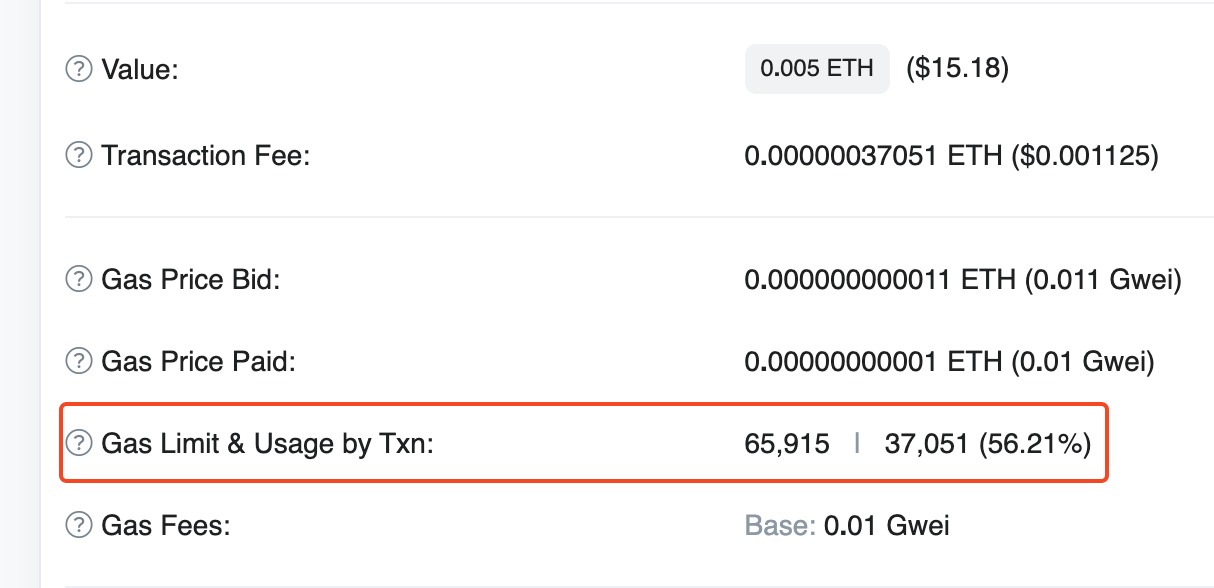
This economic model opens the door to new types of applications. Social platforms can reward users with tokens for content creation or engagement without worrying about transaction fees eating into the rewards. Gaming studios can implement complex economies where players trade items frequently, knowing that the network can handle the volume without congestion.
By offloading these high-frequency, low-value activities to Nova, developers can keep Arbitrum One free for heavy-duty financial operations. This separation of concerns ensures that both chains operate efficiently, providing the right tool for the right job. For gamers and social users, this means a smoother, cheaper, and more responsive experience on the blockchain.
2026 Tooling Updates for Nova
The developer experience on Arbitrum Nova shifts significantly in early 2026. Effective January 31, 2026, at 23:59 UTC, several third-party tools will no longer be supported for Nova environments. This decision reflects a strategic consolidation of resources, prioritizing the main Arbitrum One chain for broader ecosystem support while maintaining Nova’s specific focus on high-throughput, low-cost applications like gaming and social media.
For developers building on Nova, this means a tighter, more specialized tooling stack. The removal of legacy or low-usage tools simplifies the integration process but requires a closer audit of current dependencies. If your project relies on any of the discontinued services, you must migrate to the remaining supported alternatives before the deadline to avoid disruption.
Users interacting with Nova-based dApps may notice subtle changes in wallet integrations or block explorers that previously relied on the deprecated tools. However, core functionality remains intact. The primary impact is on the backend infrastructure, ensuring that the chain remains lean and efficient for its target use cases.
Bridging assets between chains
Moving funds between Arbitrum One and Nova requires a bridge, as the two networks do not share a native token standard. In 2026, users primarily rely on third-party aggregators or official gateway contracts to facilitate these transfers. The process is straightforward but comes with distinct trade-offs depending on which direction you move.
Bridging from Nova to One is the most common flow for users withdrawing profits or accessing deeper liquidity pools. Because Nova is an AnyTrust chain, withdrawals to Ethereum or Arbitrum One must wait for the fraud-proof window to close. This means transfers are not instant; they typically take several minutes to complete as the system verifies the state root. Users should plan for this delay when moving larger sums.
Conversely, bridging from Arbitrum One to Nova is faster and cheaper. Since Nova is designed for high-frequency, low-cost interactions, deposits from the main chain are processed quickly. However, the reverse flow—moving assets out of Nova—requires patience. Always verify the bridge provider’s fees and estimated time before initiating a transaction, as aggregator rates can fluctuate based on network congestion.
Common Questions About Arbitrum Chains
Choosing between Arbitrum One and Arbitrum Nova often comes down to understanding their distinct design philosophies. One chain prioritizes security and broad DeFi utility, while the other focuses on ultra-low fees for gaming and social apps.
Is Arbitrum Nova less secure than One?
Both chains inherit their security from Ethereum. Nova uses a similar fraud-proof mechanism to One, meaning it is not a "rollup" in the sense of being less secure. The difference is that Nova is optimized for speed and cost, making it ideal for applications where transaction frequency matters more than the scale of capital at risk.
Can I use DeFi on Arbitrum Nova?
DeFi on Nova is growing, but it is not yet the primary destination for large-scale trading or liquidity provision. One remains the hub for major protocols like GMX and Aave. Nova is better suited for social tokens, gaming economies, and high-frequency interactions that require minimal gas fees.
How do fees compare between the two chains?
Nova consistently offers lower gas fees than One. While One is already significantly cheaper than Ethereum mainnet, Nova pushes costs down further by compressing data more aggressively. For a user making dozens of small transactions in a game, Nova is the more economical choice.
No comments yet. Be the first to share your thoughts!