
Arbitrum Orbit explained simply
Arbitrum Orbit serves as the modular foundation for building Layer 3 (L3) chains. While Arbitrum One operates as the dominant Layer 2 network settling directly to Ethereum, Orbit provides the tools for developers to create their own specialized blockchains. These custom chains are not standalone networks; they are built on top of the Arbitrum stack and settle their final state to either Arbitrum One or Arbitrum Nova.
The core value of Orbit lies in its permissionless nature and deep customizability. Developers can choose between Arbitrum Rollup or Arbitrum AnyTrust architectures, depending on their needs for data availability and cost. Unlike building a new blockchain from scratch, Orbit chains inherit the security of Arbitrum’s fraud proof system. This means they benefit from the same robust security model as the base layer without requiring developers to bootstrap a new validator set.
Orbit chains allow for granular control over key parameters such as gas tokens, throughput, and governance structures. This flexibility enables use cases that might not fit the general-purpose design of Arbitrum One. For example, gaming-focused chains like Xai Games or the Treasure Chain can optimize their specific metrics, such as transaction speed or tokenomics, without being constrained by the broader network’s configuration. This modular approach allows the Arbitrum ecosystem to scale horizontally, supporting diverse applications while maintaining a unified security backbone.
By separating the base settlement layer (Arbitrum One) from the application-specific execution layers (Orbit chains), the architecture supports a more scalable and efficient ecosystem. Arbitrum One handles the heavy lifting of security and finality, while Orbit chains handle the high-volume, specialized transaction processing. This division of labor is central to the modular scaling narrative, allowing the network to support a wide variety of decentralized applications without compromising on security or decentralization.
Arbitrum One vs Orbit architecture
Arbitrum One and Orbit chains serve different roles in the Ethereum scaling stack. Understanding their structural differences is essential for choosing the right infrastructure. Arbitrum One operates as a Layer 2 rollup that settles directly on Ethereum. Orbit chains function as Layer 3 networks that settle on Arbitrum One or Nova.
Arbitrum One provides a shared security model. All users and applications on Arbitrum One benefit from the same fraud proof system and Ethereum security guarantees. This approach prioritizes consistency and broad compatibility. Developers launch applications that share the same execution environment, ensuring a unified liquidity and user experience.
Orbit chains offer customizable execution environments. Using the Arbitrum Nitro codebase, developers can launch independent chains with specific configurations. These chains can customize gas tokens, throughput limits, and governance structures. This flexibility allows projects to tailor the network to their exact needs, whether for gaming, enterprise applications, or specialized tokenomics.
The tradeoff lies between shared security and customization. Arbitrum One provides a stable, secure foundation for general-purpose applications. Orbit chains allow for deep customization but require the project to manage its own operational complexities. The choice depends on whether you need a shared ecosystem or a tailored environment.
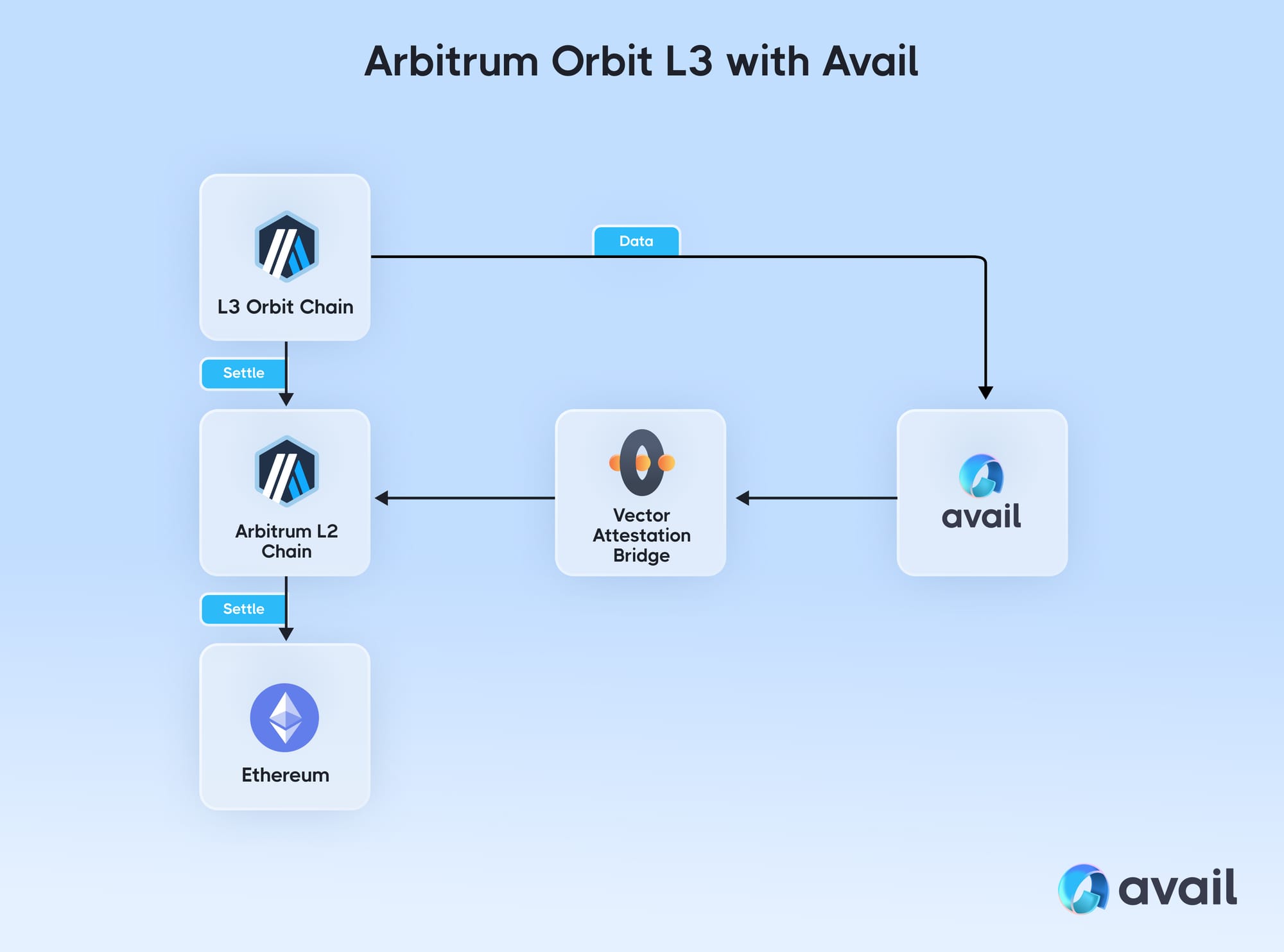
The decision between Arbitrum One and Orbit chains comes down to your project's specific requirements. If you need immediate access to a large, shared user base and standard security, Arbitrum One is the clear choice. If you require deep customization over the execution environment and can manage the operational overhead, an Orbit chain provides the necessary flexibility.
Customization and control choices that change the plan
Arbitrum One provides a standardized environment where every transaction follows the same rules, ensuring maximum compatibility and security for general-purpose applications. When you build on Orbit, you gain granular control over the chain’s operating parameters. This framework allows you to customize gas tokens, throughput limits, and governance structures without forking the core Nitro protocol [[src-serp-2]].
This flexibility is the primary reason enterprises and specialized projects choose Orbit. While Arbitrum One is designed as a shared settlement layer, Orbit chains act as dedicated execution environments. You can configure gas fees to be paid in native tokens other than ETH, which simplifies user onboarding for specific ecosystems. You can also adjust throughput to match the exact transaction volume your application expects, preventing congestion during peak times.
The tradeoff lies in complexity versus control. Arbitrum One offers a "set and forget" experience where the protocol handles consensus and sequencing. Orbit requires you to make architectural decisions about your chain’s economics and governance from day one. However, for projects like Xai Games or Treasure Chain, this customization is necessary to align the chain’s behavior with their specific business models [[src-serp-7]].
Ultimately, the choice depends on your need for standardization versus specialization. If you need a shared, liquid environment, Arbitrum One is the default. If you need a chain that behaves exactly like your application requires, Orbit provides the necessary levers to tune that fit.
DeFi liquidity and ecosystem impact
Arbitrum One operates as a single, unified liquidity pool. This structure allows capital to flow freely between protocols without friction, creating deep markets for lending, borrowing, and automated market makers. When you swap tokens or provide liquidity on Arbitrum One, your assets contribute to a shared reserve that benefits every connected application. This composability is the foundation of Arbitrum’s status as Ethereum’s largest Layer 2, offering a network effect that single-purpose chains cannot easily replicate.
Arbitrum Orbit introduces a different model by enabling custom Layer 3 chains that settle to Arbitrum One or Nova. While these chains inherit the security of the fraud-proof system, they create isolated liquidity silos. Each Orbit chain maintains its own token reserves and order books. This fragmentation means that liquidity does not automatically share across chains. A user on an Orbit-based gaming chain cannot instantly access the deepest liquidity pools on Arbitrum One without bridging assets through a centralized exchange or a dedicated bridge.
This isolation forces developers to build their own liquidity bootstrapping mechanisms. Instead of tapping into a deep, pre-existing market, they must incentivize users to provide initial capital. For high-throughput applications like gaming or social networks, this trade-off is often acceptable. The ability to customize gas tokens and throughput allows these chains to offer near-zero fees, which is impossible on the more congested Arbitrum One. However, for complex DeFi strategies that rely on cross-protocol interactions, this fragmentation introduces risk and complexity.
The choice between the two depends on your priority. If you need deep capital efficiency and seamless interoperability between lending protocols and DEXs, Arbitrum One remains the superior choice. If you require high throughput and low costs for a specific vertical, an Orbit chain offers the necessary infrastructure, provided you are willing to manage the liquidity fragmentation.
Choosing Between Arbitrum One and Orbit Chains
Arbitrum One and Orbit chains serve different purposes. Arbitrum One is a shared Layer 2 network where many applications settle together. Orbit chains are custom Layer 3 networks built with the Nitro stack, settling to Arbitrum One or Nova.
Shared Security vs. Customization
Arbitrum One offers shared security. All apps on the network benefit from the same validator set and fraud proofs. This model works well for general-purpose applications that do not need unique economic rules.
Orbit chains provide customization. You can set your own gas tokens, adjust throughput, and define governance rules. This flexibility suits projects with specific needs, like gaming or high-throughput data processing. The Arbitrum Orbit framework allows you to launch a chain with full control and no validator overhead.
Decision Framework
Use this table to decide which option fits your project.
| Feature | Arbitrum One | Orbit Chains |
|---|---|---|
| Security Model | Shared L2 security | Settles to L2 |
| Customization | Limited | Full control |
| Gas Token | ETH only | Customizable |
| Best For | General dApps | Specialized apps |
Final Recommendation
If you need standard security and broad liquidity, choose Arbitrum One. If you require specific economic parameters or high throughput, an Orbit chain is the better fit. Both options remain compatible with Ethereum, ensuring you can connect to the broader ecosystem.
No comments yet. Be the first to share your thoughts!